Ergonomic Design Overview
While ergonomic design may be primarily thought of as comfortable design, the true motivator for its often-comfortable design is to enhance efficiency, well-being, and productivity [1]. In practical terms, ergonomic design is most often employed at workstations: one’s desk and chair, screens and peripherals, lighting, and even more [2]. It has become widespread mainly due to the prolific computer use of software engineers, gamers, and others, leading to some characteristic ergonomic designs such as the vertical mouse or the wave keyboard [3]. This article reviews the primary domains of ergonomic design and their implications to general engineering design.
Ergonomic Behavior
Before exploring curated ergonomic products, it must be noted that these designs do not serve their purpose if they are not used correctly. Ergonomics reduces bodily strain; the purpose, then, is to reduce the workload and, specifically, the most strenuous workloads. Good ergonomics would lead to a reduction in the number of keystrokes a user must employ, for example. Before engineering even gets involved, one could be more ergonomic in computer usage by increasing the number of keyboard shortcuts used, in phone usage by typing with the phone in vertical position to decrease the distance traveled by the thumbs, and in all electronic activity by keeping one’s feet flat on the floor [4].
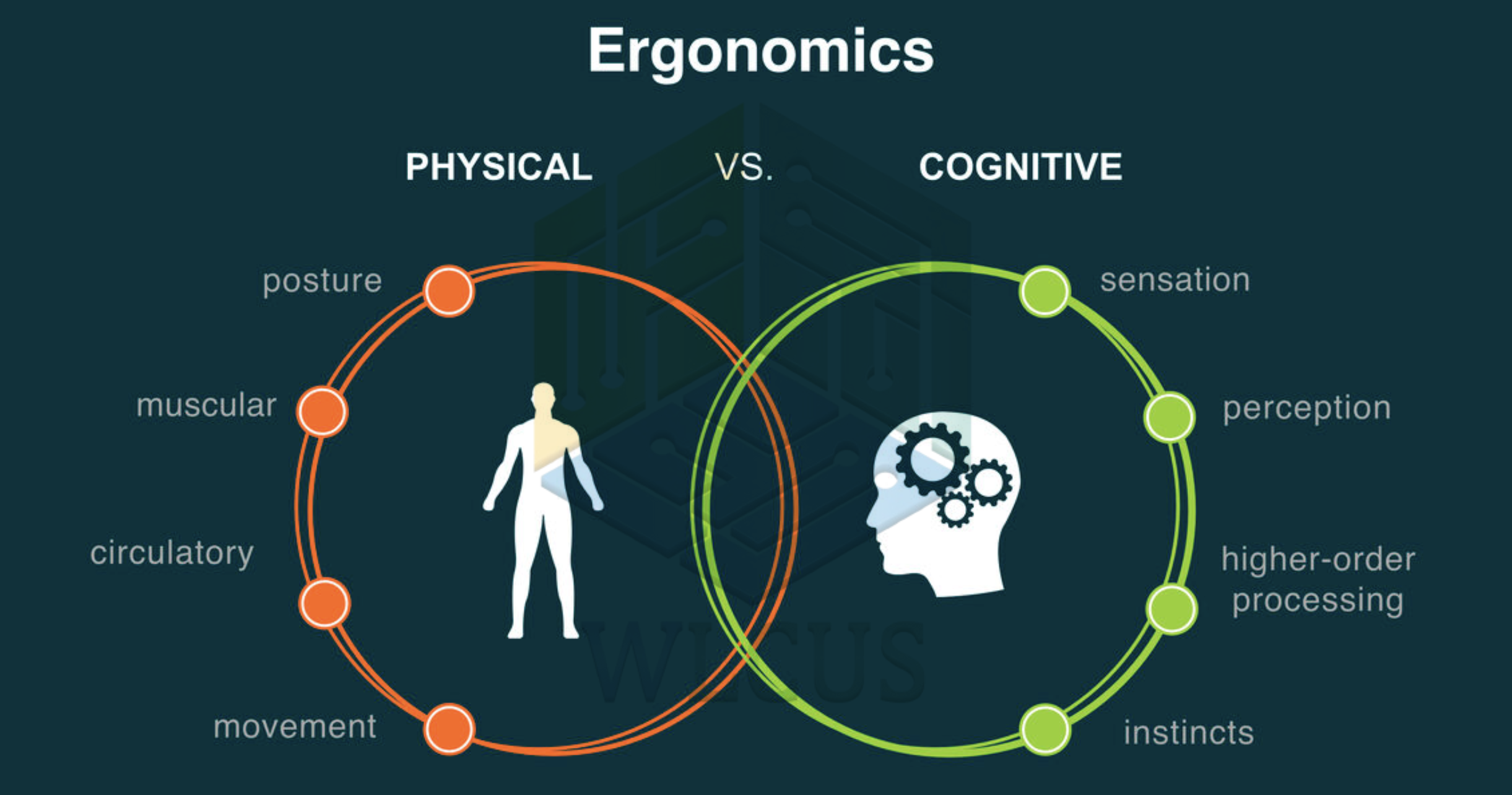
Figure 1: The physical and cognitive abilities of users that ergonomic design works to conserve [5].
Ergonomics is also one of the cornerstones of user interface and user experience (UI/UX) design. Just as products can be designed to decrease mechanical strain, they can also be designed to reduce cognitive strain. This is primarily achieved by making software and websites more intuitive and easier to navigate. There are dozens of principles highlighted by institutions that describe how to achieve these ends, from UI guidelines to Steve Krug’s web usability book and products designed to reduce reaction time [6].
Ergonomic Workstations
In modern offices, sit-stand desks are a new, ubiquitous feature. Laptop and CPU holders, curved monitors, foot rockers, posable monitor arms, and more form the growing amount of next-level work support [7]. Their sleek aesthetic and modern materials augment the mechanical ergonomics, improving cognitive clarity and focus by de-cluttering the workspace. A key pillar of ergonomic design includes adjustability, enabling people to customize their workspace or create workspaces that can be oriented for multiple users.
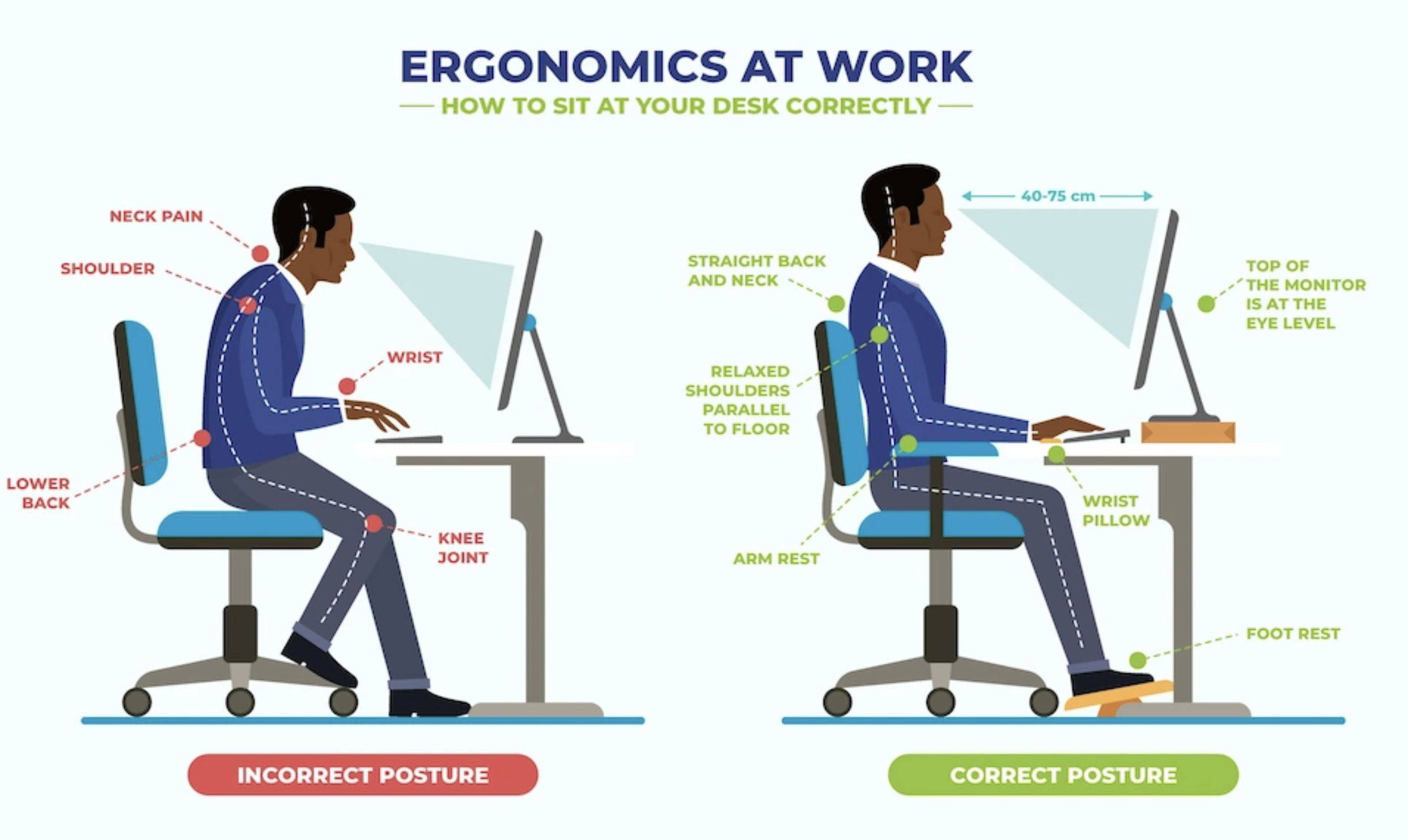
Figure 2: A comparison of ergonomic and non-ergonomic workspaces [5].
Ergonomic Furniture
Perhaps no single piece of ergonomic design is more prevalent than the office chair. Though some label their furniture as ergonomic merely to suggest its comfort and its tendency to reduce long-term stress, like some salon chairs, true ergonomic furniture is built around three component aspects: anthropometric (body dimensions) range, adjustability, and ease of transition. There are specific standards that must be met and ranges of human bodies. While not all ergonomic furniture needs to have dynamic accommodation, statically ergonomic furniture tends to be viable for a limited user population [8].
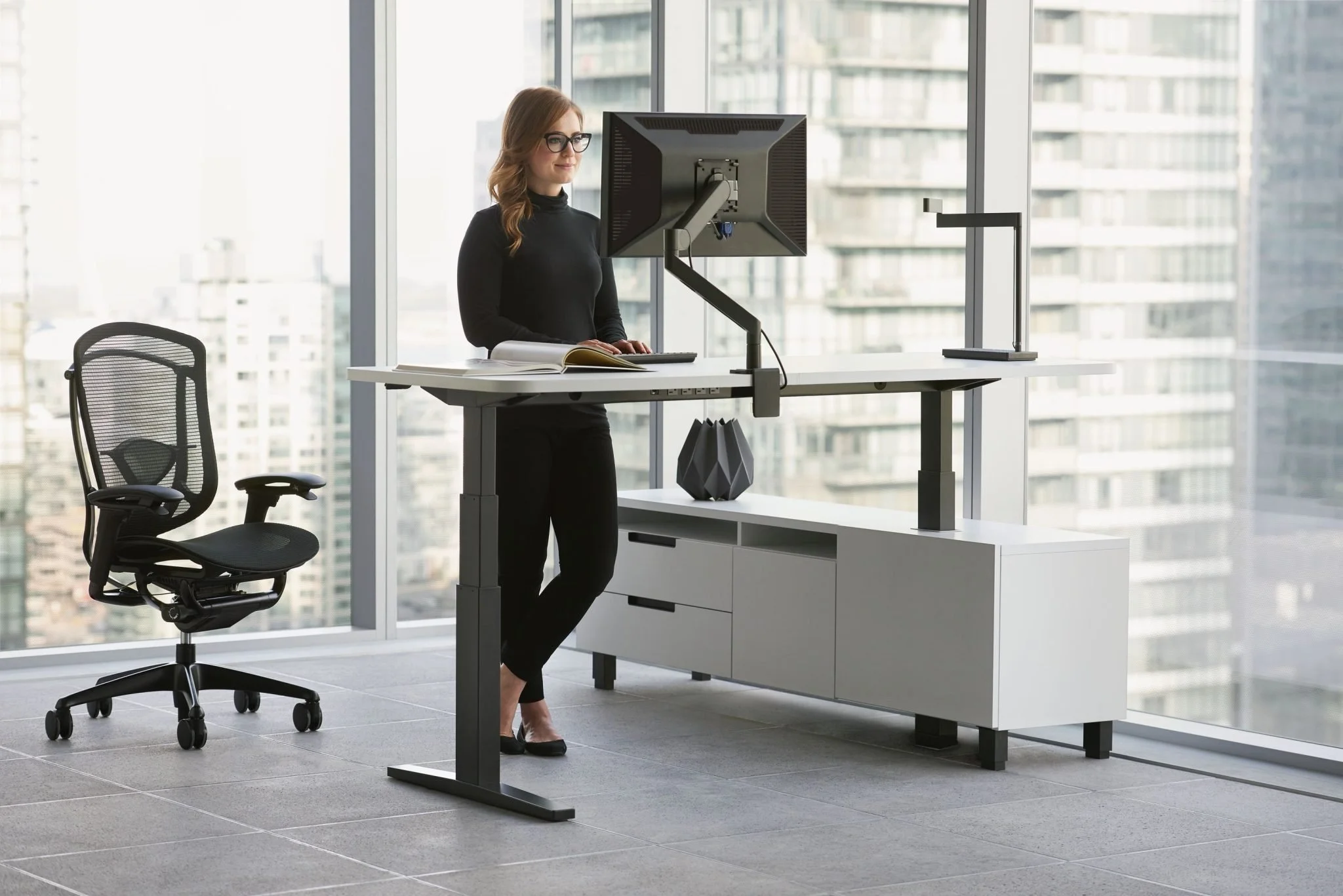
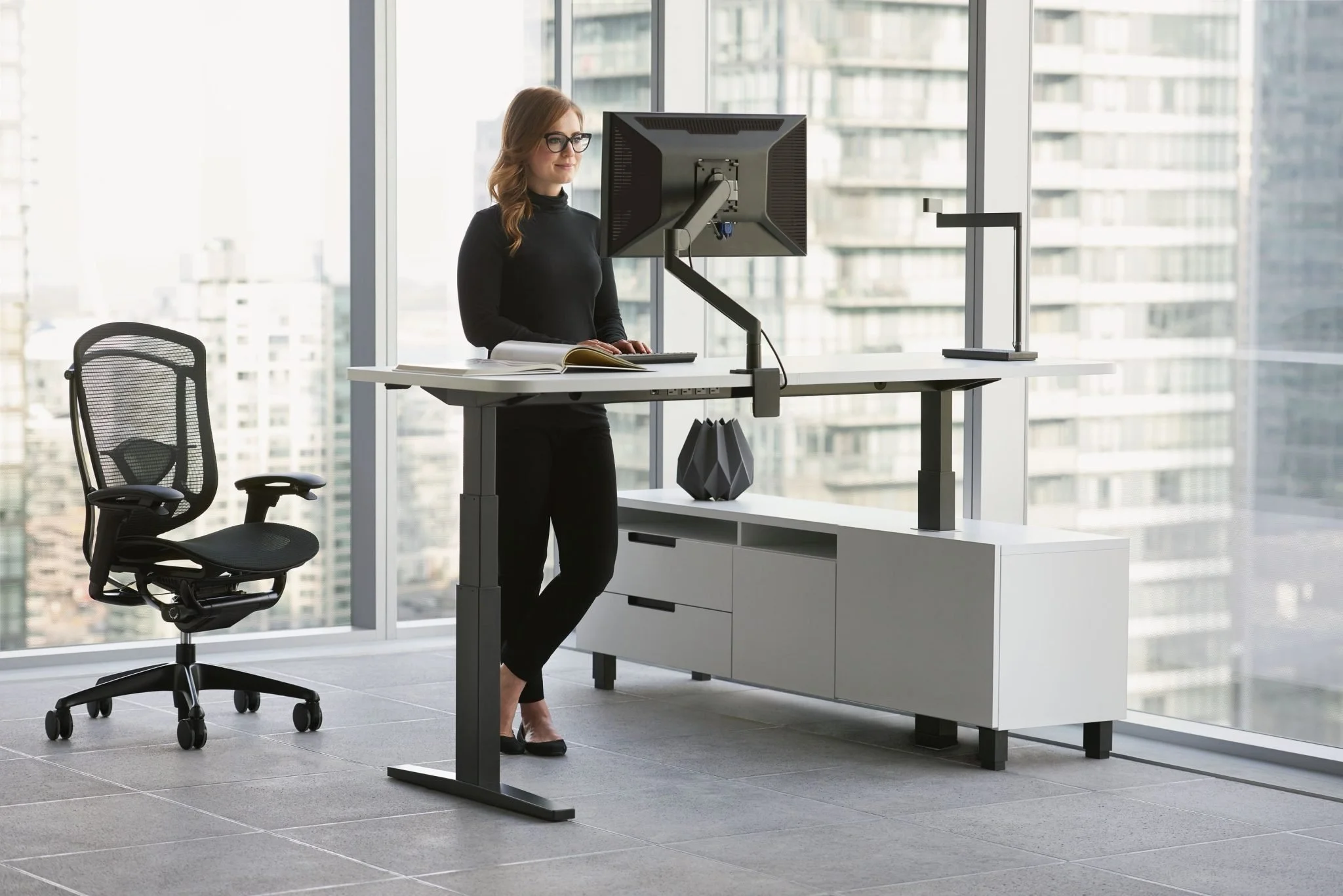
Figure 3: A woman uses a sit-stand desk. Behind her is an ergonomic office chair, and her workspace includes a posable monitor that can be raised to her natural eye level [9].
Ergonomic Tools
Beyond electronics and workspaces, ergonomic design is also incredibly valuable for manual tools. In labs, ergonomics can be used to modify pipette usage to reduce pinching strain or even inform lab storage to keep high-use items in quick access areas [10]. Construction tools make use not only of improved grips, but also shock-absorbent materials, cordless technology, and, in some cases, complete redesign to reduce fatigue during prolonged use [11]. 3D scanning technology, combined with rapid prototyping and manufacturing, can create surgical instruments that perfectly fit a doctor’s hand [12].
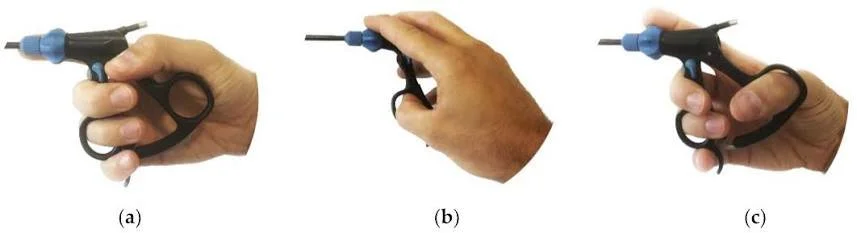
Figure 4: A customizable grip for precision tools enabled through additive manufacturing [12].
The Future of Ergonomics
Ergonomic design is most beneficial for broadly- and highly-used products, especially ones that induce greater stresses on the body or mind. One-size-fits-all is antithetical to ergonomic design, and the future of design will likely include ergonomic development of items such as phone cases, car seats, or even kitchen utensils. Customizable or adjustable grips or rests reduce fatigue and increase efficiency, while streamlined website and software ease cognitive wear. With smart technology, personal data can be accumulated from wearable tech, analyzed with AI, and used with additive manufacturing to create cheap and effective ergonomic solutions. Not only will such design be increasingly comfortable - it will also lend itself more to productivity and decrease mental and physical stress.
References
[1] "Ergonomic Design." ScienceDirect Topics, Elsevier, www.sciencedirect.com/topics/materials-science/ergonomic-design. Accessed 24 Aug. 2026.
[2] "What Is Ergonomic Design?" Steelcase, www.steelcase.com/blogs/steelcase/what-is-ergonomic-design. Accessed 24 Aug. 2026.
[3] "Ergonomics Definition & Meaning." Lenovo, www.lenovo.com/us/en/glossary/ergonomics/. Accessed 24 Aug. 2026.
[4] "Ergonomics 101: Tips for Using Portable Electronic Devices." Mount Sinai Health System, 23 May 2019, health.mountsinai.org/blog/ergonomics-101-tips-using-portable-electronic-devices/.
[5] "The Role of Ergonomics in Mental Health and Employee Well-Being." Workplace Leadership Council, wlcus.com/the-role-of-ergonomics-in-mental-health-and-employee-well-being/. Accessed 24 Aug. 2026.
[6] "Cognitive Ergonomics: Definition & Examples." ErgoPlus, ergo-plus.com/cognitive-ergonomics/. Accessed 24 Aug. 2026.
[7] "Ergonomic Office Furniture & Workstation Products." Humanscale, www.humanscale.com/products. Accessed 24 Aug. 2026.
[8] "What Is Ergonomic Design?" Kesseböhmer Ergonomics, kessebohmerergonomics.com/what-is-ergonomic-design/. Accessed 24 Aug. 2026.
[9] "How Ergonomic Furniture Can Improve Office Productivity." Blue Space Interiors, bluespaceinteriors.com/how-ergonomic-furniture-can-improve-office-productivity/. Accessed 24 Aug. 2026.
[10] "Ergonomics Program." Environmental Health & Safety, Harvard University, www.ehs.harvard.edu/ergonomics. Accessed 24 Aug. 2026.
[11] Hermans, Amanda. "10 Ergonomically Designed Hand Tools That Make Jobsite Tasks Easier." Pro Builder, 29 Nov. 2018, www.probuilder.com/products/tools-equipment/article/55199150/10-ergonomically-designed-hand-tools-that-make-jobsite-tasks-easier.
[12] González, Alfonso, et al. "An Ergonomic Customized-Tool Handle Design for Precision Tools Using Additive Manufacturing: A Case Study." Applied Sciences, vol. 8, no. 7, 2018, p. 1200. MDPI, https://doi.org/10.3390/app8071200.
To cite this article:
Conover, Dylan. “Ergonomic Design Overview.” The BYU Design Review, 24 Aug 2026, https://www.designreview.byu.edu/collections/ergonomic-design-overview.