Design Principles in Video Games
Video gaming is one of the biggest hobbies worldwide and has been around for over 50 years [1, 2]. More importantly, video games are designed, and there is a huge overlap between video game design and general product design. For fun, and because it is easier to learn when you enjoy the subject matter, let us consider some examples of good video game design and how we can learn from them.
Communicating Product Usage
One of the greatest design challenges in a video game is communicating functionality to the player. A designer cannot explain their system to every user, and while manuals and written instructions can help for more complicated things, it is often more effective to build the instructions into the design.
Mirror’s Edge does this incredibly by highlighting nearby interactable objects in bright red. The color draws the eye, and makes the game more intuitive.

Figure 1: Mirror’s Edge “runner vision” [3].
I own a vacuum cleaner which does something similar. Each button has an icon while almost nothing else does, effectively differentiating stuff you are supposed to press. Each button also uses color to separate itself. The power button is red, surrounded by black, and has a circle-and-line icon. The spot you press to recline the vacuum has a foot print icon in plain white on a red backdrop.
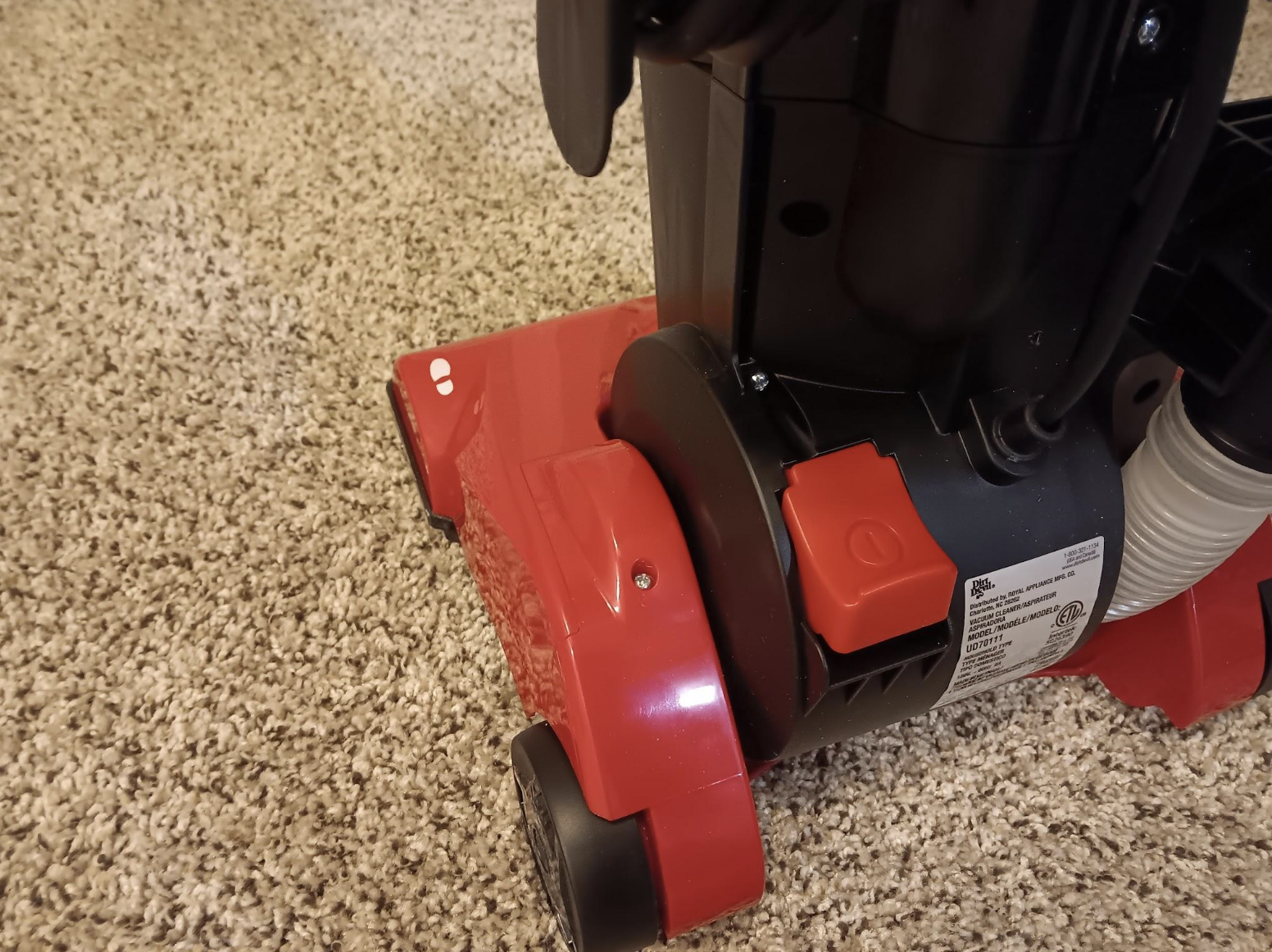
Figure 2: My vacuum cleaner.
In your designs, you can use similar techniques, using color contrast to draw the eye, and adopting simple visual rules to indicate functionality.
Involving the User throughout the Design Process
If our designs are going to be successful, end users must like them – the product must be “desirable” [4]. The best way to guarantee desirability is to get feedback and apply it as the product develops.
One video game that did this exceptionally was Subnautica. Subnautica’s developers released the game as an early access game, meaning it was unfinished and the developers wanted community feedback as they worked towards the full release. One of the lead designers, Charlie Cleveland, explained: “Our community also gave us hundreds of thousands of Subnautica feedback tickets (submitted in-game), which helped us figure out what to work on next… Besides giving us lots of quantitative data… it also gave us a good temperature of what our players are feeling” [5]. Even today, eight years after the official release, Subnautica still lets you give feedback in-game.
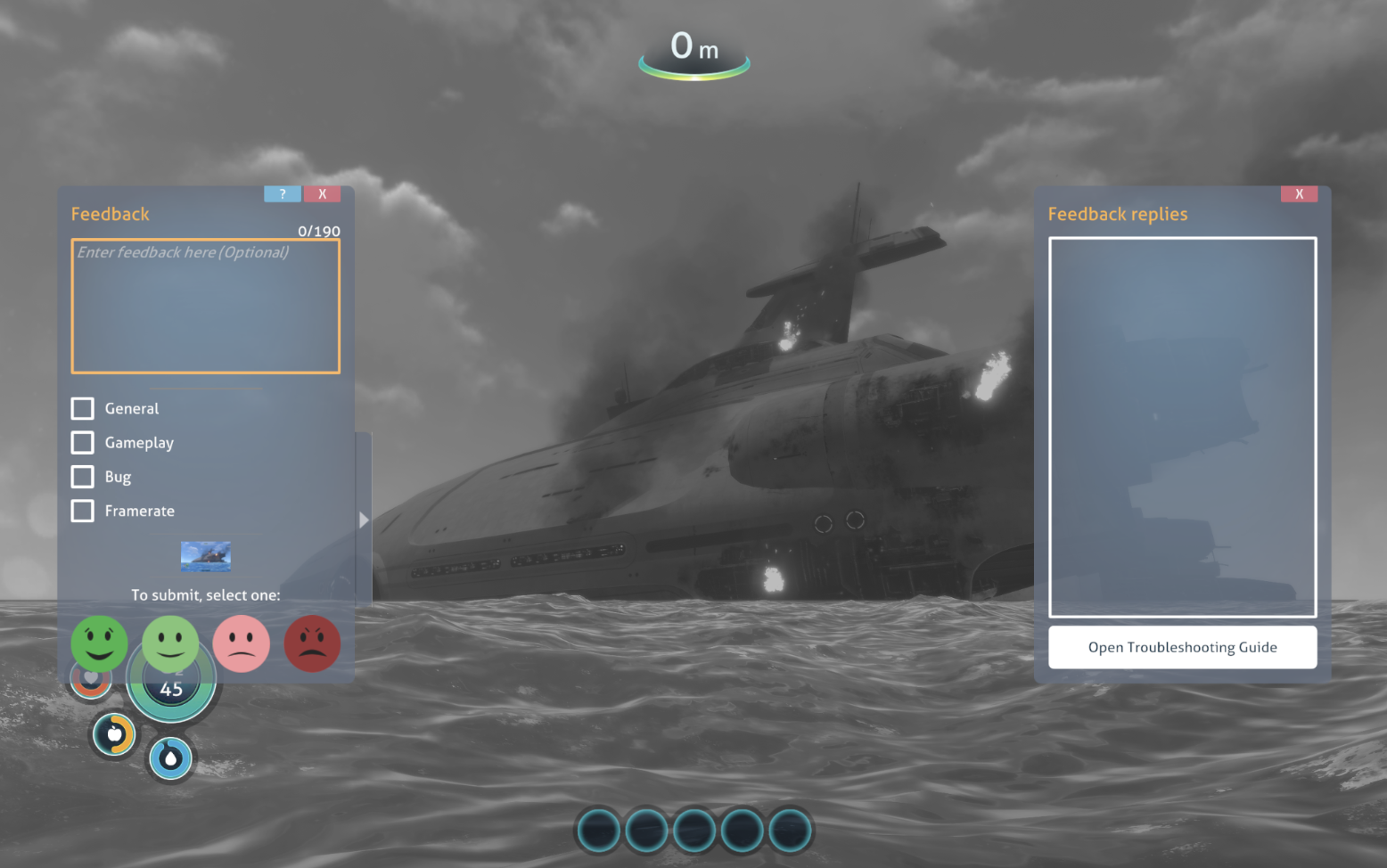
Figure 3: Subnautica feedback screen [6].
For a simple non-video game example, let us consider a water bottle lid seal used by the company Thermoflask. The original gasket was a simple ring, which was incredibly difficult to remove while washing the water bottle, but after a few years Thermoflask replaced it with the design in Figure 4, which added a grip point. This made washing the lid so much easier and is what kept me from giving up on the brand.

Figure 4: Water bottle seal.
At the end of the day, video games are designed products beloved by millions and game design has been actively and competitively honed for over 50 years. Video games contain countless examples of design principles, such as Mirror’s Edge communicating product usage effectively, Subnautica involving the user in the design process, and many more. So next time you see something you like in a game, consider what design elements make it so great, and who knows, maybe it will help you find exactly what you need for your next great design.
REFERENCES
[1] Media & Entertainment Video Games Sector. International Trade Administration | Trade.gov. (n.d.). https://www.trade.gov/media-entertainment-video-games-sector
[2] Atari.(November 29, 1972). Pong
[3] Electronic Arts. (January 13, 2009). Mirror's Edge
[4] Mattson, C. A., & Sorensen, C. D. (2020). Product development: Principles and tools for creating desirable and transferable designs. Springer.
[5] Ray, J. (2018, March 14). ‘Subnautica’ Game Director Says Early Access Saved the Studio. Fandom. https://www.fandom.com/articles/subnautica-charlie-cleveland-interview
[6] Unknown Worlds Entertainment. (January 23, 2018). Subnautica
To cite this article:
Moss, Shaden. “Design Principles in Video Games.” The BYU Design Review, 30 Sep 2026, https://www.designreview.byu.edu/collections/design-principles-in-video-games.