How Photography Helped Me Become a Better Designer
Many times, when I would take a photo with my phone camera, there was a clear difference between what I saw in person versus what showed up on the screen. I knew I needed better equipment and more knowledge to capture my intention in a photograph. With a five week trip to Europe coming up, I figured it would be the perfect opportunity to develop some photography skills. Little did I know that I would learn an important lesson as I explored new places through a viewfinder. Good photography is thoughtfully designed, and practicing it helped me to become a better designer.
There are Always Trade-offs
When taking a photo, a photographer needs to understand the so-called “exposure triangle.” The three points are shutter speed, aperture diameter, and ISO. All three change the photograph in distinct ways. Shutter speed determines how long the sensor is exposed to the scene. Aperture diameter is the size of the opening in the lens - analogous to the pupil diameter of a human eye. ISO is how sensitive the camera’s digital photosites are, based on signal gain and other factors.
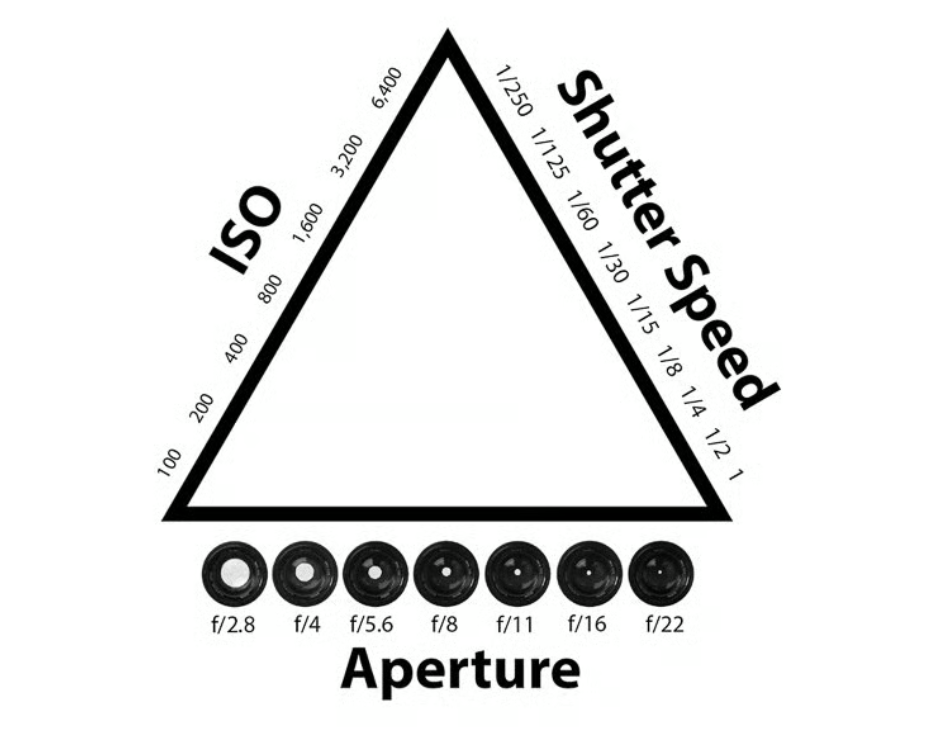
Figure 1: A visual representation of the exposure triangle [1].
To achieve a “correct” exposure, meaning the lightest pixels and the darkest pixels of the photograph are not losing valuable light information, a photographer must balance the three points of the exposure triangle. Assume someone is out taking photos of a building and sees a bird approaching in the distance. If they want to photograph the bird flying quickly through the sky but freeze it in place to show the intricate detail of its wings, they need a fast shutter speed, as shown in Figure 2. However, this lets in much less light because the sensor’s exposure time is limited. The photographer must compensate by adjusting either ISO or aperture size. However, depending on the attached lens, the aperture can only open to a maximum width. Several combinations of shutter speed, aperture, and ISO can produce a photo with similar brightness, but they will not produce the same photograph. A fast shutter speed freezes motion, a wide aperture isolates a subject, and a high ISO compensates for the other at the cost of detail.
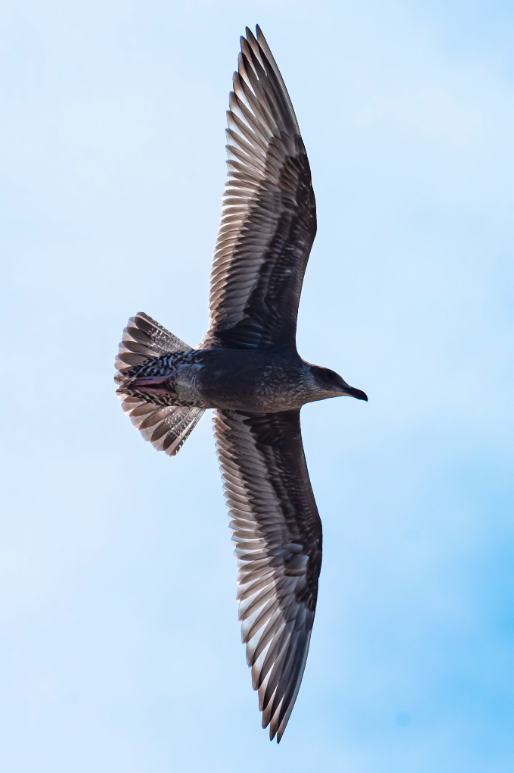
Figure 2: Close-up of a bird flying through the air. It appears frozen due to the fast shutter speed [2].
Thus, the trade-offs become clear. A photographer must choose camera settings on the spot based on the scene’s light level and the shot’s intended goal. When one setting moves, one or both of the others must move to compensate. Just like a camera’s exposure triangle has no perfect setting, as there are multiple correct combinations of settings, a product’s design space has no one solution, only a chosen trade-off for the given constraints.
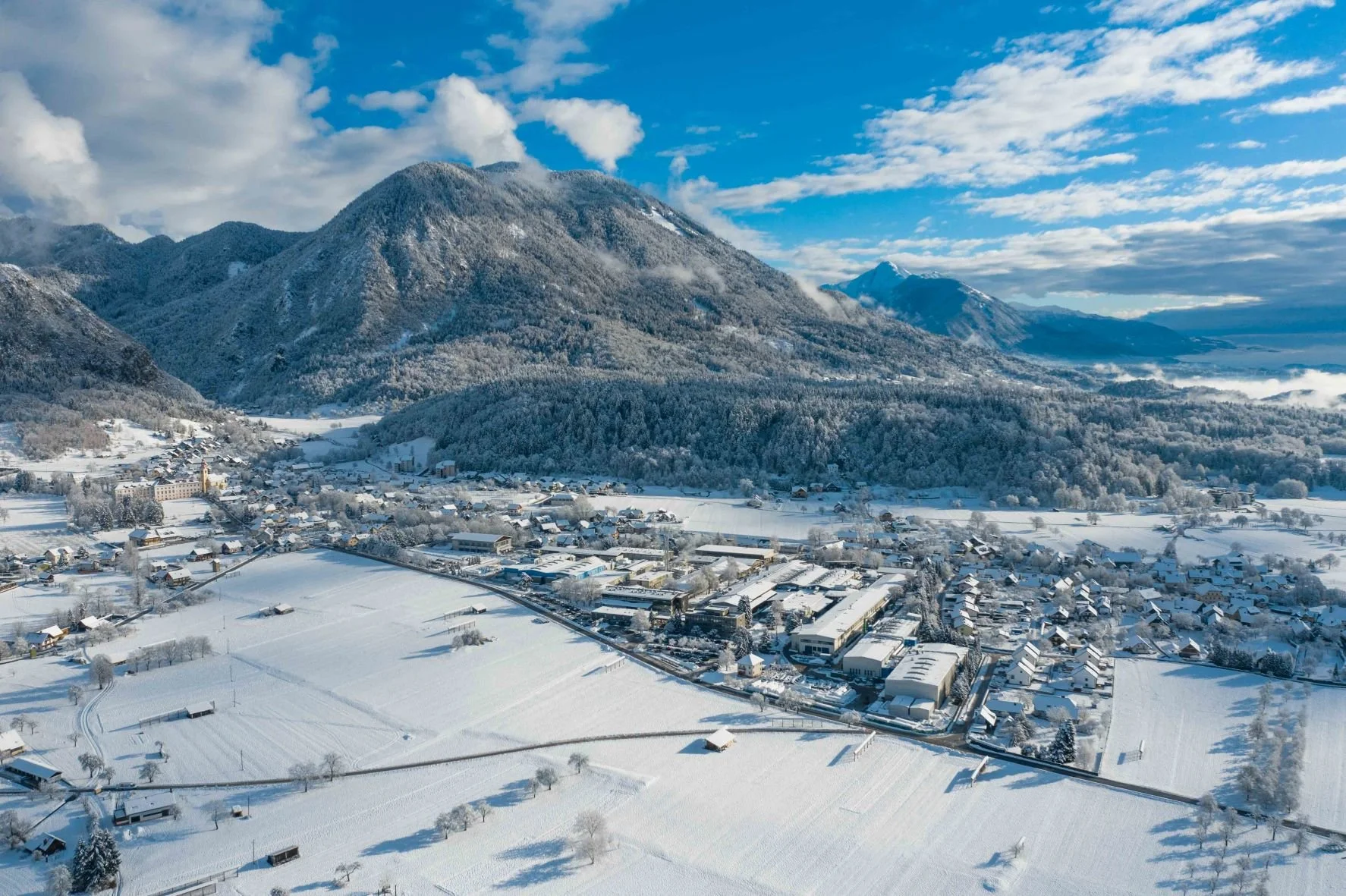
When designing a physical product, its specifications have similar trade-offs. A designer must balance the material, geometry, and manufacturing process used to make it. I saw this firsthand while abroad, when I visited Elan, a ski manufacturer in Slovenia. Two types of skis that stood out to me during my visit were: an entry-level model reinforced with only fiberglass and a high-performance model that integrates carbon fiber into the core. The carbon fiber model has clear performance advantages, but that one material change added time, cost, and specialized manufacturing steps. There is no free lunch - improving one specification will incur a cost elsewhere, and a designer must always assess the effect one decision will have on other aspects of the design.
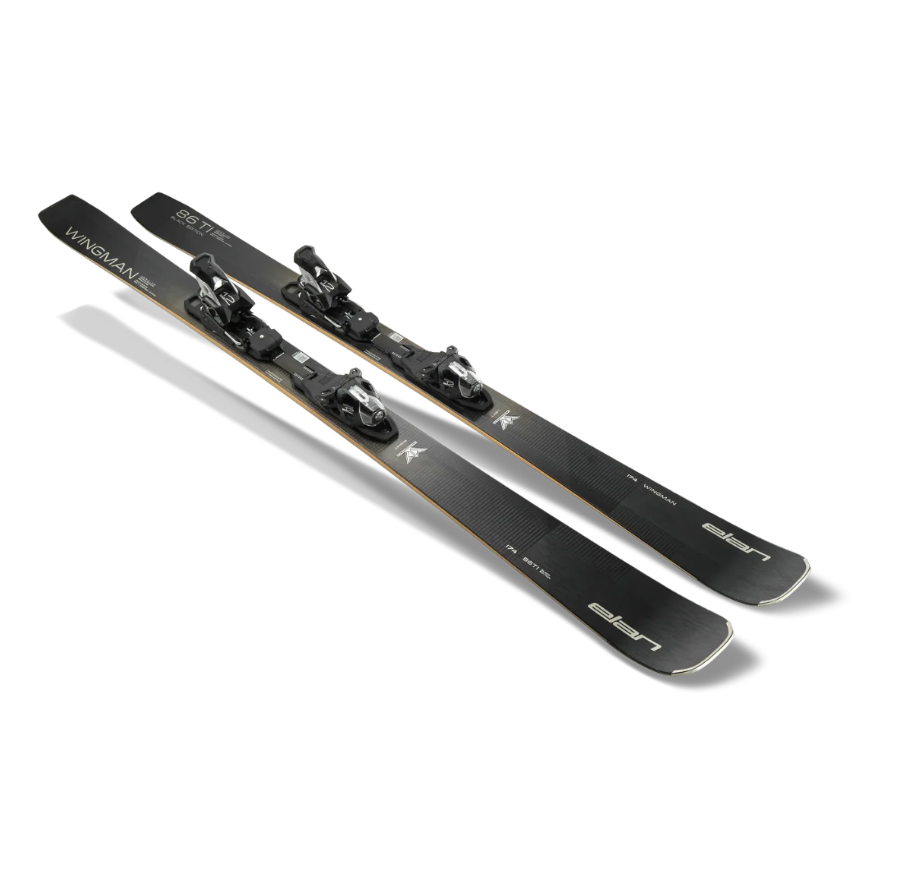
Figure 3: An image of carbon-fiber Elan skis [3].
Work with the resources available to you until the bill comes due
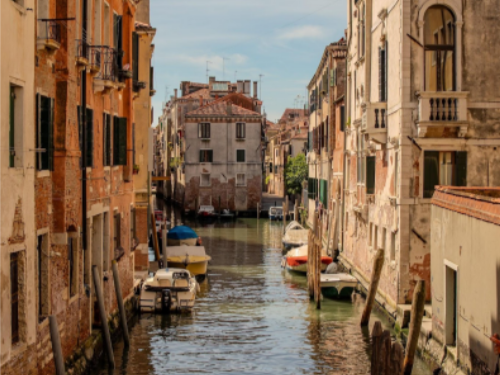
With a timed entry to a Vivaldi concert approaching, photographing Venice's narrow streets became an exercise in working against a deadline. Every canal and side street begged to be photographed. Still, I typically gave myself approximately 3-5 seconds to compose a photo, get the settings right, and commit before continuing toward the concert. One of these photos appears in Figure 2. My main constraints were limited time, mid-range equipment, and inexperience. I treated each scene as a rapid design project, where each photo was the product of limited resources. Many photos were imperfect, but they still usually captured my intention. The bill came due whenever I had to stop refining a composition and keep moving. The same is true in product design: a designer must accept that good design is done within resource constraints.
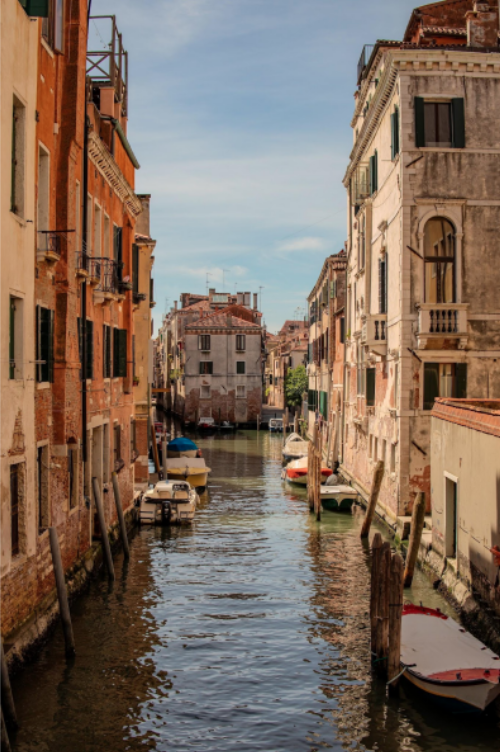
Figure 4: A photo I took while roaming the streets of Venice.
Similarly, a product designer must work in a resource-constrained environment. Many companies I visited in the Balkan region attested to this, but a host at a company called Kinetic Engineering in Bosnia & Herzegovina put it simply: “the design needs to be 100% strong, but it will only be 80% perfect.” A designer will always have more they wish to implement, but limited time, money, and governing customer requirements mean not everything is fully realized before delivery. Good photography taught me that a designer operates at the boundary of their constraints, extracting the best possible outcome before the resources are spent. Herbert Simon called this satisficing — a decision-making strategy that does not seek to drive every design objective to its optimum, but rather to an acceptable threshold given limited design freedom [4].
Taking a camera with me to Europe helped me to develop the skills to more fully capture my personal experience in a two-dimensional photograph. It also deepened my understanding of design. Understanding the exposure triangle expanded my design philosophy by highlighting the importance of tradeoffs. Practicing photography within travel constraints taught me that the best outcome is the one delivered with your best efforts when resources run out. So if you are ever going to a new place, I would suggest you bring a camera and give it a shot - pun intended.
References
[1] Rock, Spencer. "What is the Exposure Triangle? A Beginner's Guide." Photography Life, 11 Sept. 2023, https://photographylife.com/what-is-exposure-triangle.
[2] "Flying Seagull View from Below." Magnific, https://magnific.com/free-photo/flying-seagull-view-from_23214069.htm.
[3] "Wingman 86 Black Edition Skis." Elan Skis, https://elansports.com/en-us/products/wingman-86-black-edition.
[4] Simon, Herbert A. Administrative Behavior: A Study of Decision-Making Processes in Administrative Organization. 1st ed., Macmillan, 1947.
To cite this article:
Detiege, Isaac. “How Photography Helped Me Become a Better Designer.” The BYU Design Review, 7 Sep 2026, https://www.designreview.byu.edu/collections/how-photography-helped-me-become-a-better-designer.