Explained: Search Engine Optimization
Search engine optimization (SEO) is the process of designing digital media to be more accessible to internet traffic through online search mechanisms, like Google or AI. Usually, this practically translates to ranking a website page higher after an online search, as webpages that appear at the top of search results are far more likely to be accessed by users. Enhancing your website’s SEO will help interested people find it faster and invite new audiences to view your content.
Search Engine Mechanics
In order to generate search results, a search engine like Google employs search bots to crawl and categorize the internet’s webpages. The basic idea of SEO is to make your website more appealing to these bots [1].
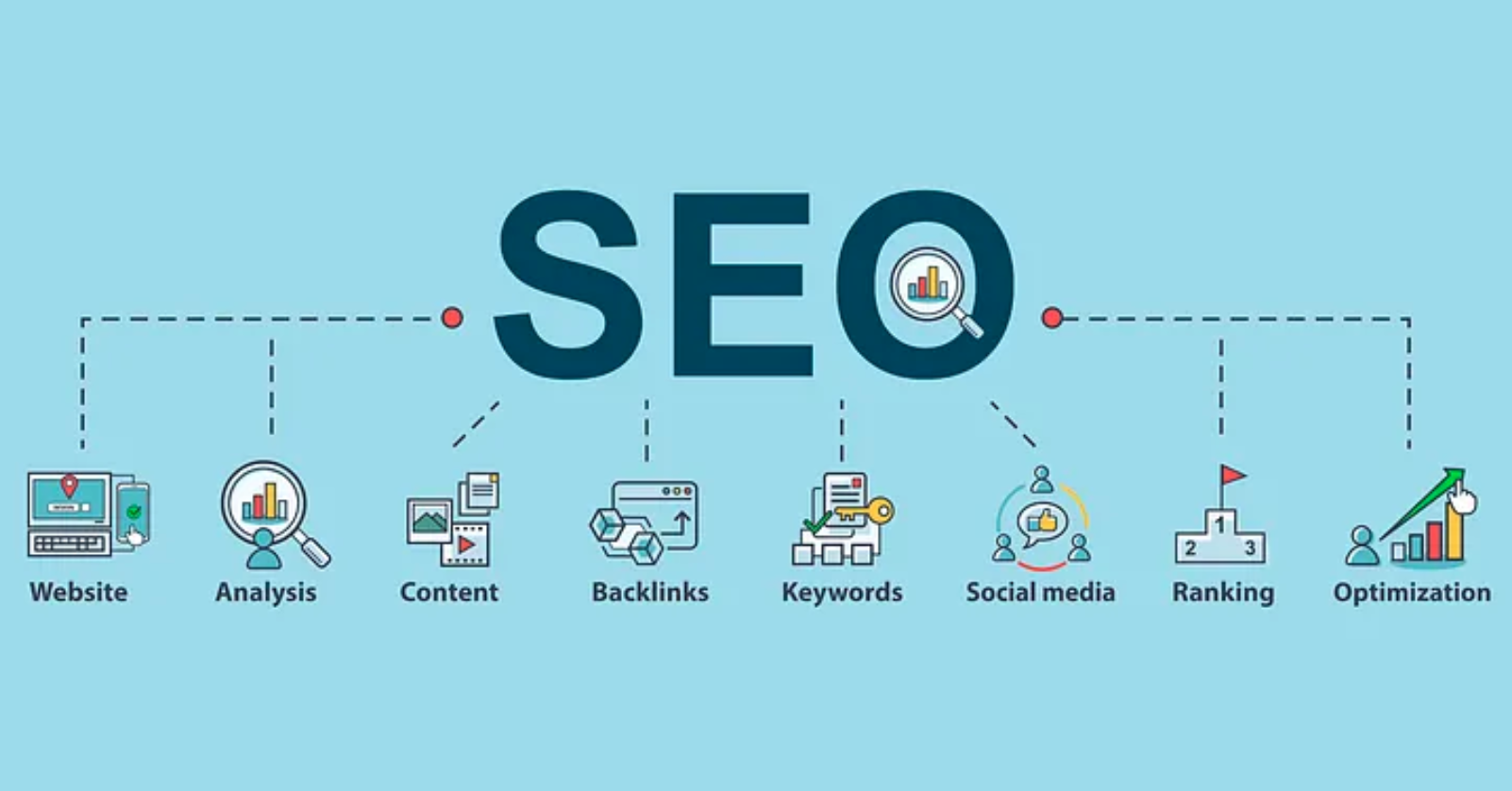
Figure 1: There are many different actions one can take to improve site SEO [2].
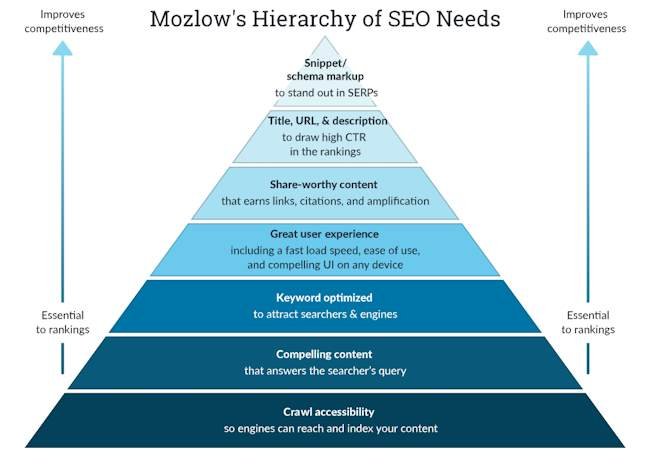
Search engine bots perform three primary tasks to organize web content: crawling, indexing, and ranking. Crawling discovers what webpages exist, and they do this by following links. A clear site structure and interlinking enable crawlers to find all of your site’s pages. You can create an XML sitemap for these bots, and updating content and replacing outdated links are other useful strategies to aid bots. Indexing organizes the information discovered by the bots, and this relies heavily on keywords, page design, and strong organization. Finally, pages are ranked based on their likelihood of giving users their desired information in a clear and understandable way [3].
Making Your Site Optimized
Implementing these principles relies on three main strategies, which are technical, on-page, and off-page optimization. All of these include actions you can take to increase site searchability and ranking by bots. Each of these methods requires refining different aspects of web design [4].
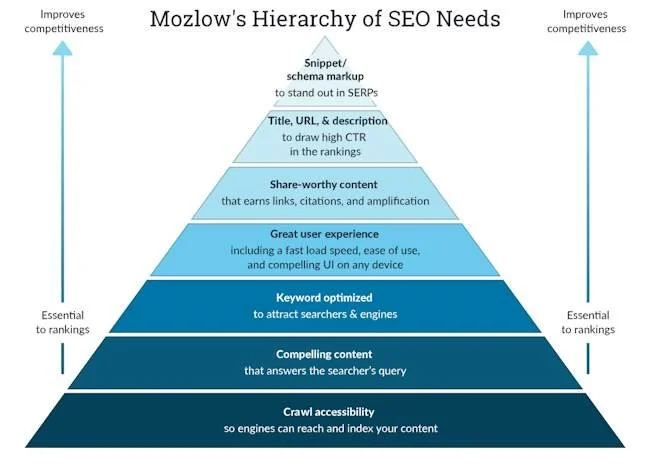
Figure 2: A representation of steps one can take to enhance site SEO [5].
The basic metric for SEO is click rate, or the percentage of people who click on your website links after seeing them on a search engine results page (SERP). Technical SEO is oriented towards making your site more available to bots through website structure and indexing, like your robots.txt file.
On-page SEO focuses on the webpage HTML and actual page design. Best practices include using images and authoritative links to engage readers with established information. Making a site accessible both on computers and mobile and using HTTPS to maintain site security are other important factors. Off-page, establish the credibility of your website by doing what you can to increase the numbers of backlinks to your page and building brand authority [6].
In the Age of AI
Artificial intelligence (AI), like Google’s AI Overview, is already fundamentally changing the way that users search for information on the web. Sometimes called generative engine optimization (GEO), these strategies entail structuring content to be accessible for language models, not just crawlers. AI is more efficient than traditional search engines at providing users with the information that they want by analyzing semantics, not just keywords. Improving your site’s textual quality is critical here, as AI can analyze the intent of passages beyond counting keyword frequency [7].
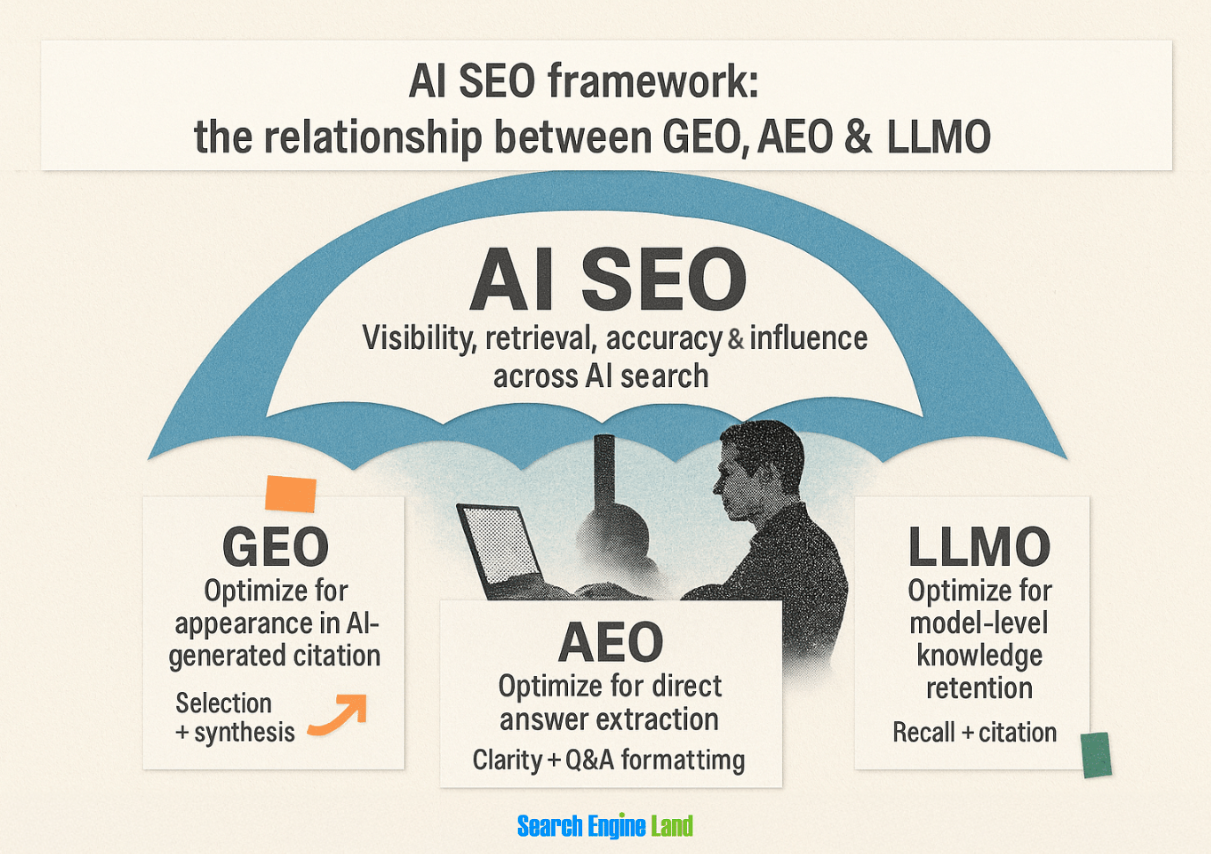
Figure 3: A representation of the different fields of AI SEO [7].
A critical takeaway for modern SEO is that AI often relies on SEO rankings, so traditional SEO methodology is still completely valid and relevant. Now, however, it is far more important to avoid generic material and provide unique perspectives. Regurgitating information and summarizing are tasks that AI can perform. Rather than simply providing answers to searchers, websites must provide unique user experiences, unique perspectives, and unique quality, especially as AI slop becomes more prevalent [8].
Now, more than ever, writers and content producers should lean into their unique strengths and perspectives. Often, you can ask yourself how similar the information on your webpage would be to a basic AI search as a way to analyze your originality. The more complex, nuanced, and unique your webpages become, while simultaneously taking advantage of SEO strategies, the more influence your website will have on the internet.
References
[1] United States, International Trade Administration. "How Does Search Engine Optimization Work?" Trade.gov, www.trade.gov/how-does-search-engine-optimization-work.
[2] Sharma, Madhav. "10 Ways to Improve Search Engine Optimization (SEO) as a Developer." Geek Culture, Medium, 2021, medium.com/geekculture/10-ways-to-improve-search-engine-optimization-seo-as-a-developer-a548ef936b22.
[3] Moz Staff. "What Is SEO? Search Engine Optimization Explained." Moz, moz.com/learn/seo/what-is-seo.
[4] Deloitte Digital. "What Is Search Engine Optimisation?" Deloitte Digital Malta, www.deloitte.com/mt/en/insights/perspective/What-is-search-engine-optimisation.html.
[5] Digital Marketing Institute. "What Is SEO & Why Is It Important?" Digital Marketing Institute Blog, digitalmarketinginstitute.com/blog/what-is-seo.
[6] Search Engine Land Staff. "What Is SEO - Search Engine Optimization?" Search Engine Land, searchengineland.com/guide/what-is-seo.
[7] Search Engine Land Staff. "What Is AI SEO?" Search Engine Land, searchengineland.com/guide/what-is-ai-seo.
[8] de Saint Laurent, Constance. "What Is 'AI Slop'? A Technologist Explains This New and Largely Unwelcome Form of Online Content." The Conversation, 2024, theconversation.com/what-is-ai-slop-a-technologist-explains-this-new-and-largely-unwelcome-form-of-online-content-256554.
To cite this article:
Conover, Dylan. “Explained: Search Engine Optimization.” The BYU Design Review, 5 Oct 2026, https://www.designreview.byu.edu/collections/explained-search-engine-optimization.