Snowflake Design
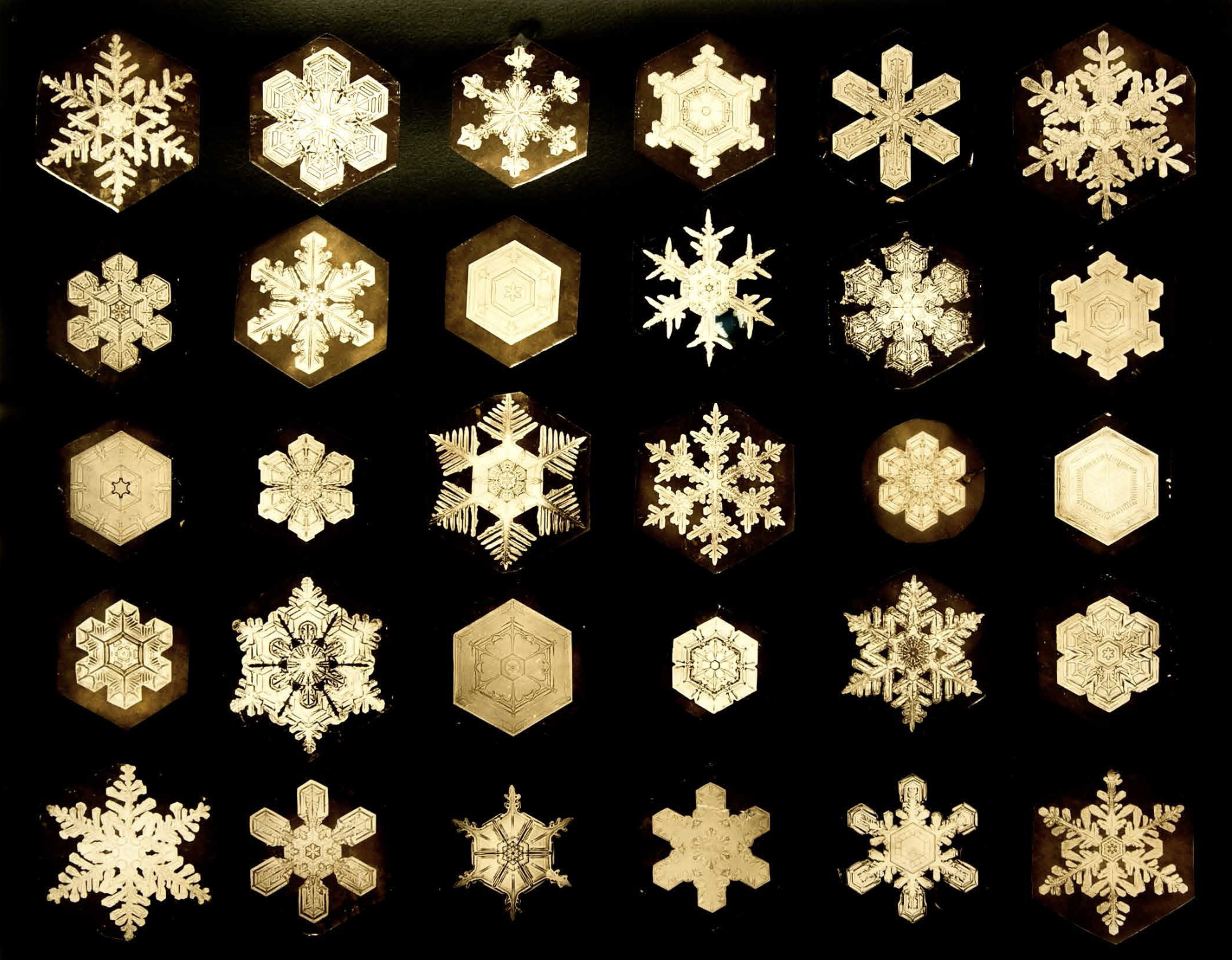
You have likely seen a picture like the one before. It may even bring back fond memories of sitting in your elementary school classroom, carefully cutting out paper snowflakes while your teacher explained the science behind snow formation. But if you never had that experience, or if time has blurred those memories, I would like to remind you just how remarkable this image truly is. These are real snowflakes! And if that alone is not impressive enough, this photograph was taken over 150 years ago!
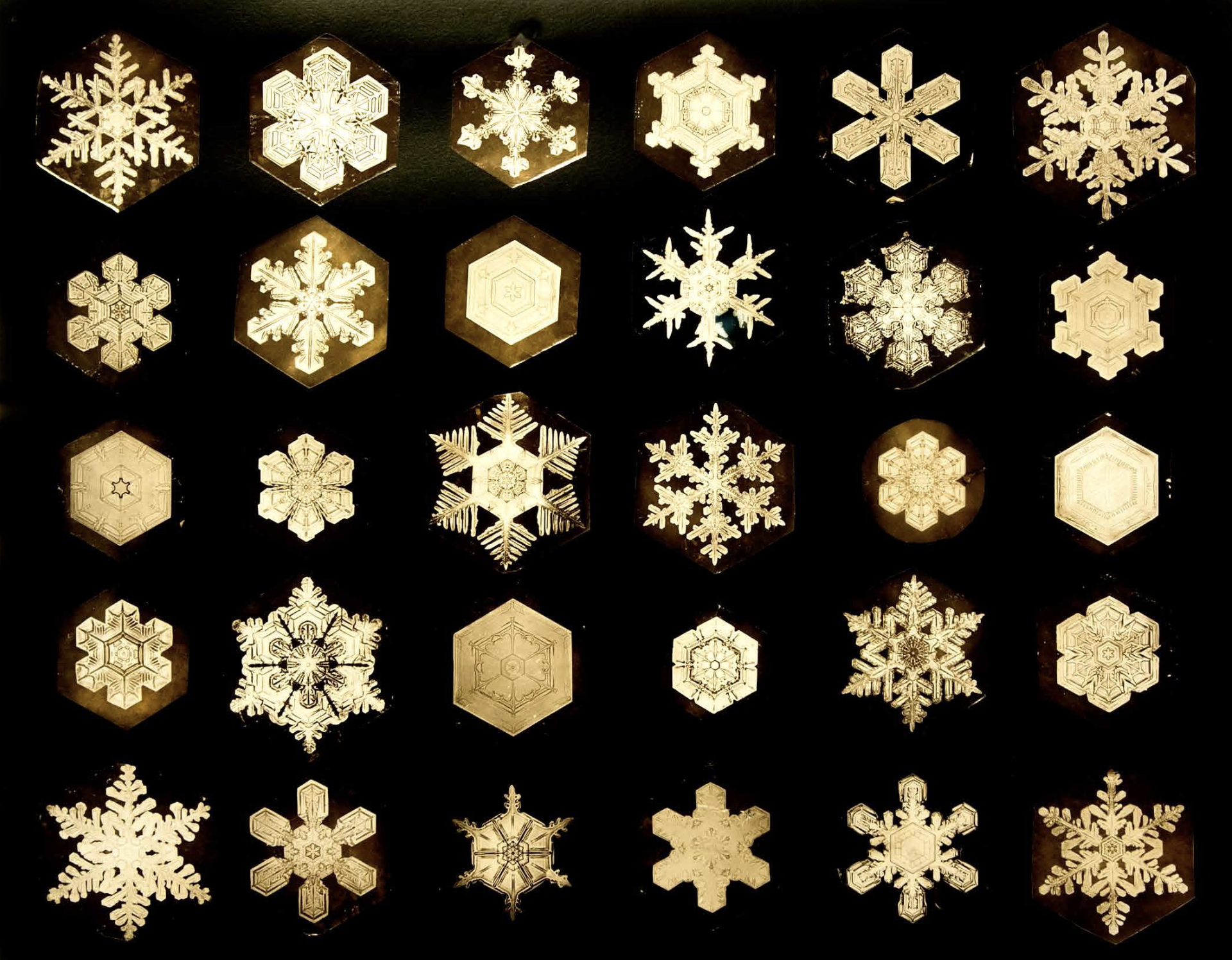
Figure 1: Wilson Bentley’s snowflake photographs [2].
The man behind all of this is Wilson Alwyn Bentley, an American meteorologist and photographer who was born and raised in a small town in Vermont in the mid 19th century. From a young age, Bentley became fascinated with snowflakes, referring to them as "tiny miracles of beauty" [1]. He soon developed a reliable system for photographing individual snow crystals by attaching a compound microscope to a bellows camera. At the age of 19, Bentley became the first person to successfully photograph a snow crystal.
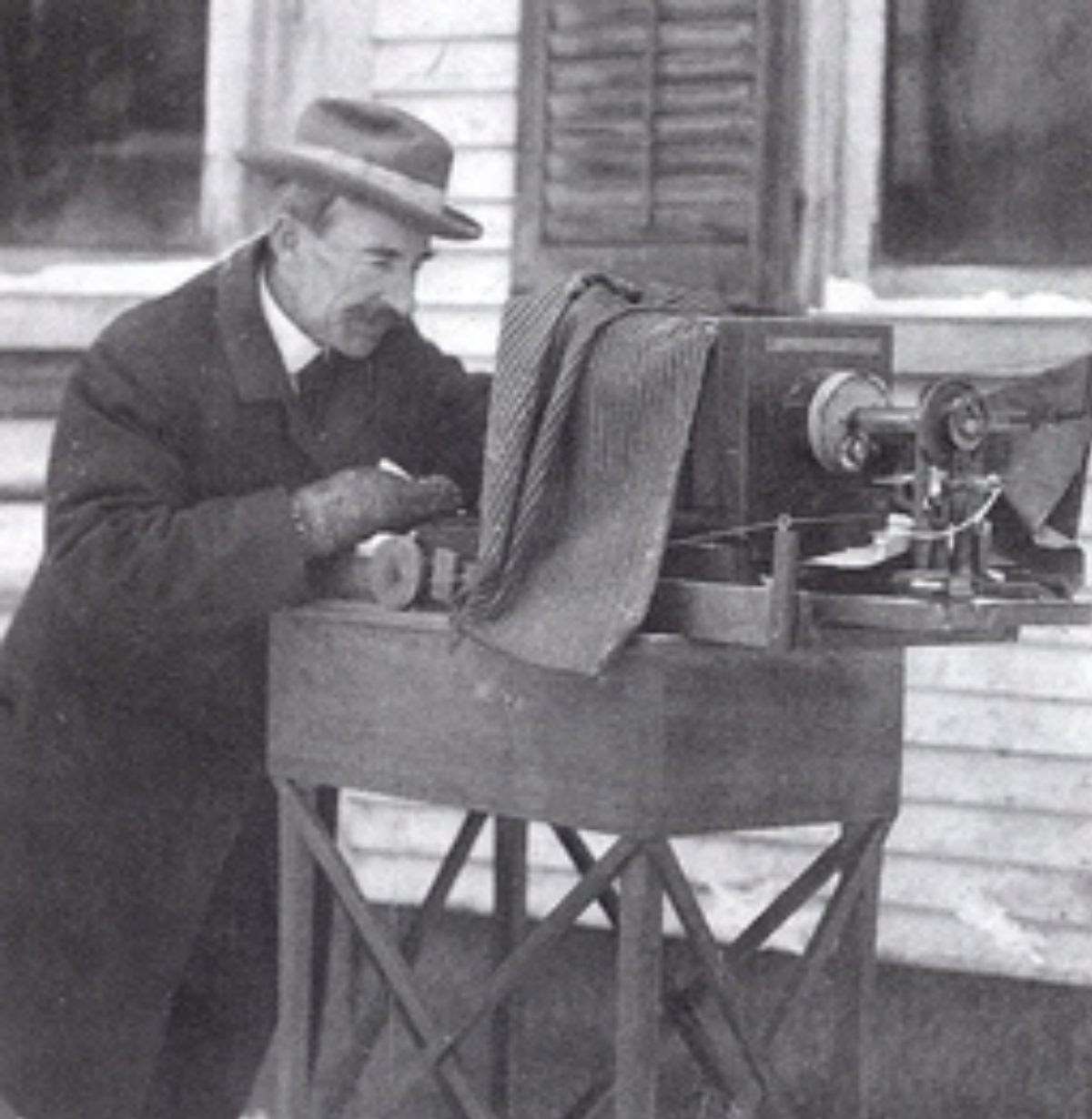
Figure 2: A photograph of Wilson Bentley with his camera and microscope system [1].
Throughout the rest of his adult life, Wilson Bentley remained deeply devoted to snowflake photography. He continued his research in Vermont, publishing dozens of peer-reviewed articles and even authoring his own book. By the end of his life, Bentley had photographed thousands of individual snowflakes and established himself as the world’s leading authority on snow crystals. One important lesson we can draw from his life is the power of determination. Despite lacking a formal university education, Bentley became a respected scientific figure and captured the imagination of the public.
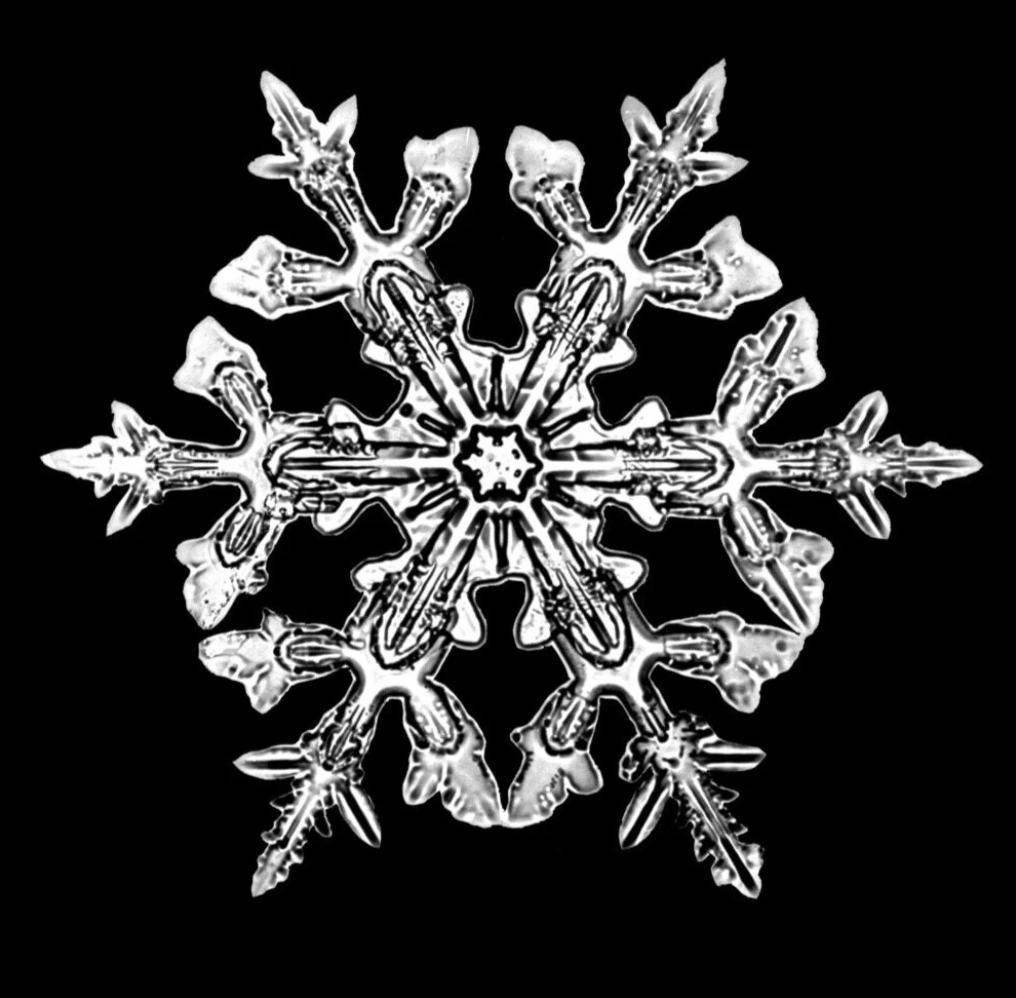
Figure 3: A close up photograph of one of Bentley’s snowflakes [4].
Over the course of his lifetime, Wilson Bentley photographed exactly 5,381 individual snow crystals, carefully numbering, dating, and cataloging each one [2]. This meticulous work led to a remarkable realization: no two snowflakes were alike. Bentley concluded that it would be impossible for any two snowflakes to be exactly the same. Each crystal traveled a unique path to the earth, shaped by distinct environmental conditions such as wind patterns, humidity, and electromagnetic forces.
There are many other significant engineering and design principles we can learn from snowflakes as well. Scientific research suggests that symmetry is inherently pleasing to the human brain. Snow crystals exhibit radial symmetry, each structured around a hexagonal core. Every crystal begins as a microscopic particle—often a speck of dust—that initiates deposition as supercooled water vapor in the atmosphere freezes onto its surface. Because of the molecular geometry of H₂O, the crystal naturally forms a hexagonal lattice, giving rise to its characteristic six-sided structure. Like any material, a snowflake’s final shape and properties are strongly influenced by temperature and atmospheric conditions, as illustrated in the figure below.
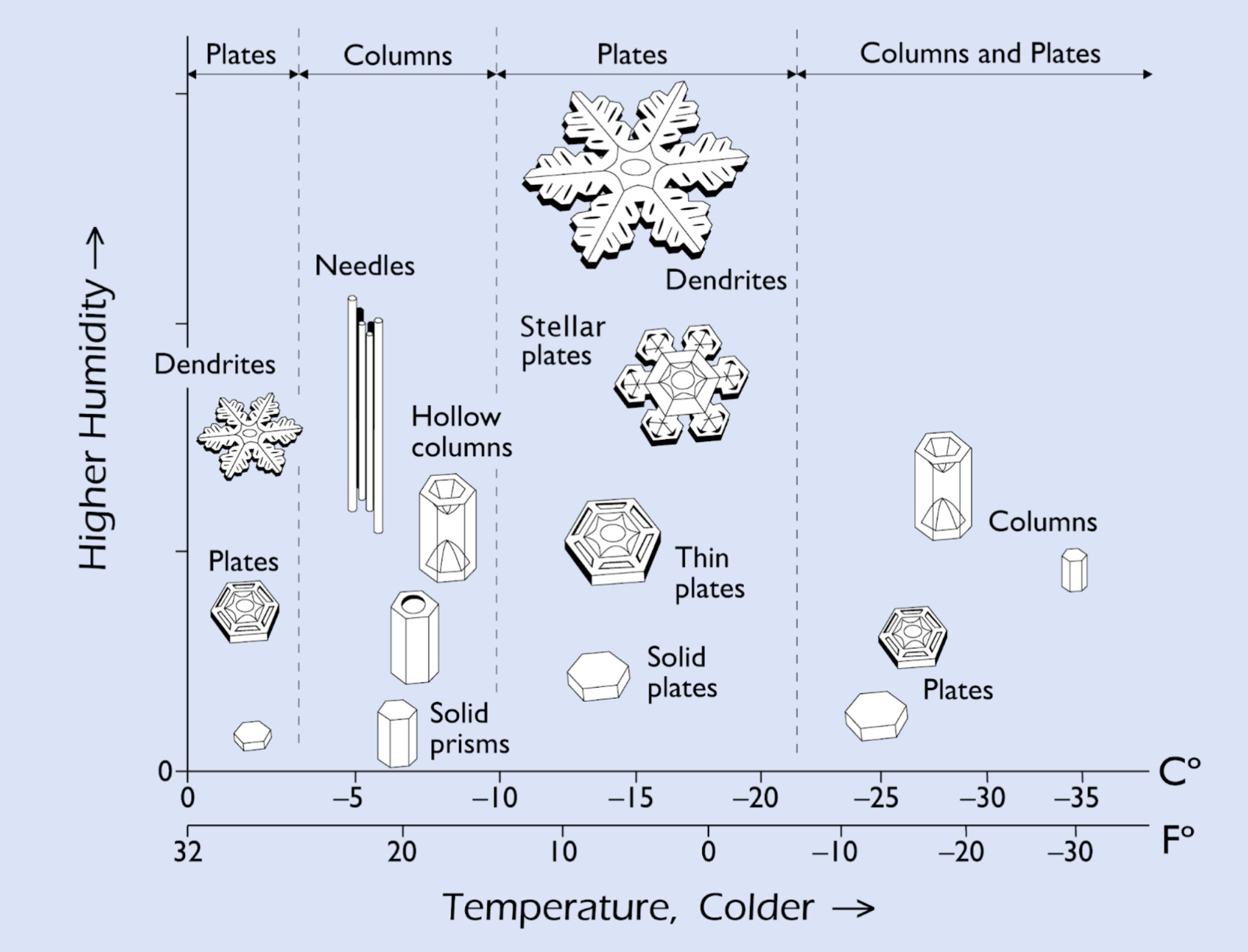
Figure 4: Snow Crystal Morphology Diagram [3].
To help visualize the complex geometry and design of snowflakes I created a CAD simulation that models the basic structure of snowflakes. You have probably done the same thing with paper.
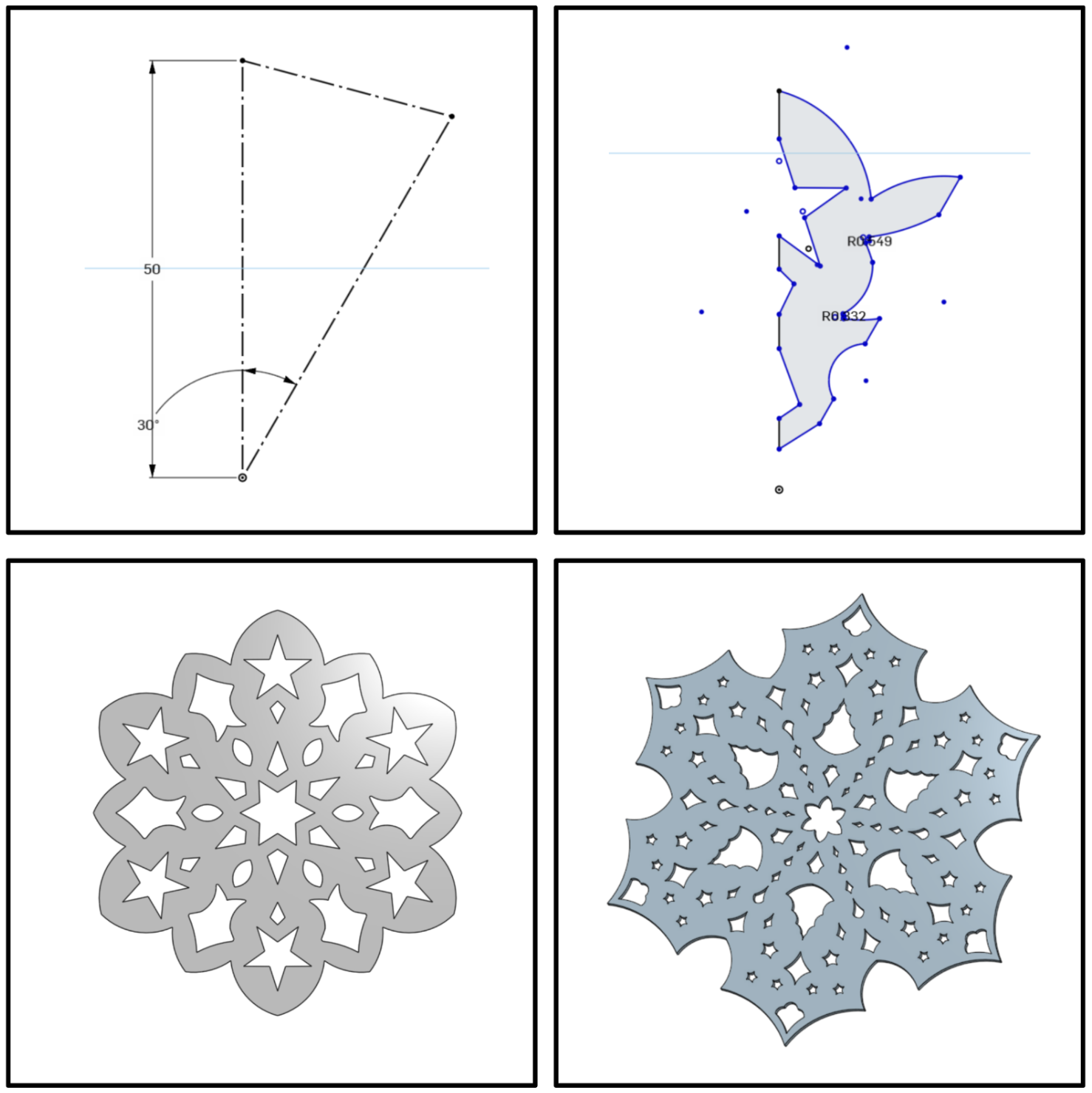
Figure 5: Snow Crystal CAD simulation. Image by author.
Often, the most beautiful designs come from nature.
REferences
[1] “Wilson A. Bentley: Godfather of Snow.” Western New York Heritage, www.wnyheritage.org/content/wilson_a_bentley_godfather_of_snow/index.html. Accessed 24 Feb. 2026.
[2] “Let It Snow: The Story of ‘Snowflake’ Bentley.” The White River Valley Herald, 29 Nov. 2018, www.ourherald.com/articles/let-it-snow-the-story-of-snowflake-bentley/. Accessed 24 Feb. 2026.
[3] Libbrecht, Kenneth G. “A Snow Crystal Morphology Diagram.” SnowCrystals.com, www.snowcrystals.com/morphology/morphology.html. Accessed 24 Feb. 2026.
[4] “Wilson A. Bentley Biography.” Snowflakebentley.com, Vermont Historical Society, snowflakebentley.com/biography. Accessed 24 Feb. 2026.
To cite this article:
Engle, Josh. “Snowflake Design.” The BYU Design Review, 25 February 2026, https://www.designreview.byu.edu/collections/snowflake-design.