What Does It Mean to be New
I've been thinking about the word "new" lately, in the context of design. We hear it all the time—new products, new technologies, new trends—and the word's meaning seems to vary slightly in each context. Does "new" mean something never seen before? Or is it more about taking something that already exists and reworking it? The more I think about it, the more I realize how slippery the idea of "new" can be.
What does it mean for something to be new?
Take something as simple as Italian food. We think of pizza and pasta as traditionally Italian. Yet key ingredients in these dishes, like tomatoes, originally came from the Americas. Tomatoes arrived in Italy in 1544 but didn’t make their way into cookbooks until 1790 [1]. Over two hundred years later, tomatoes are a common ingredient in Italian cuisine. So, are dishes using tomatoes like pizza and some pasta sauces truly traditional, or should they be considered “new” because they incorporate non-native elements? When is there a change between “new” and “traditional”?
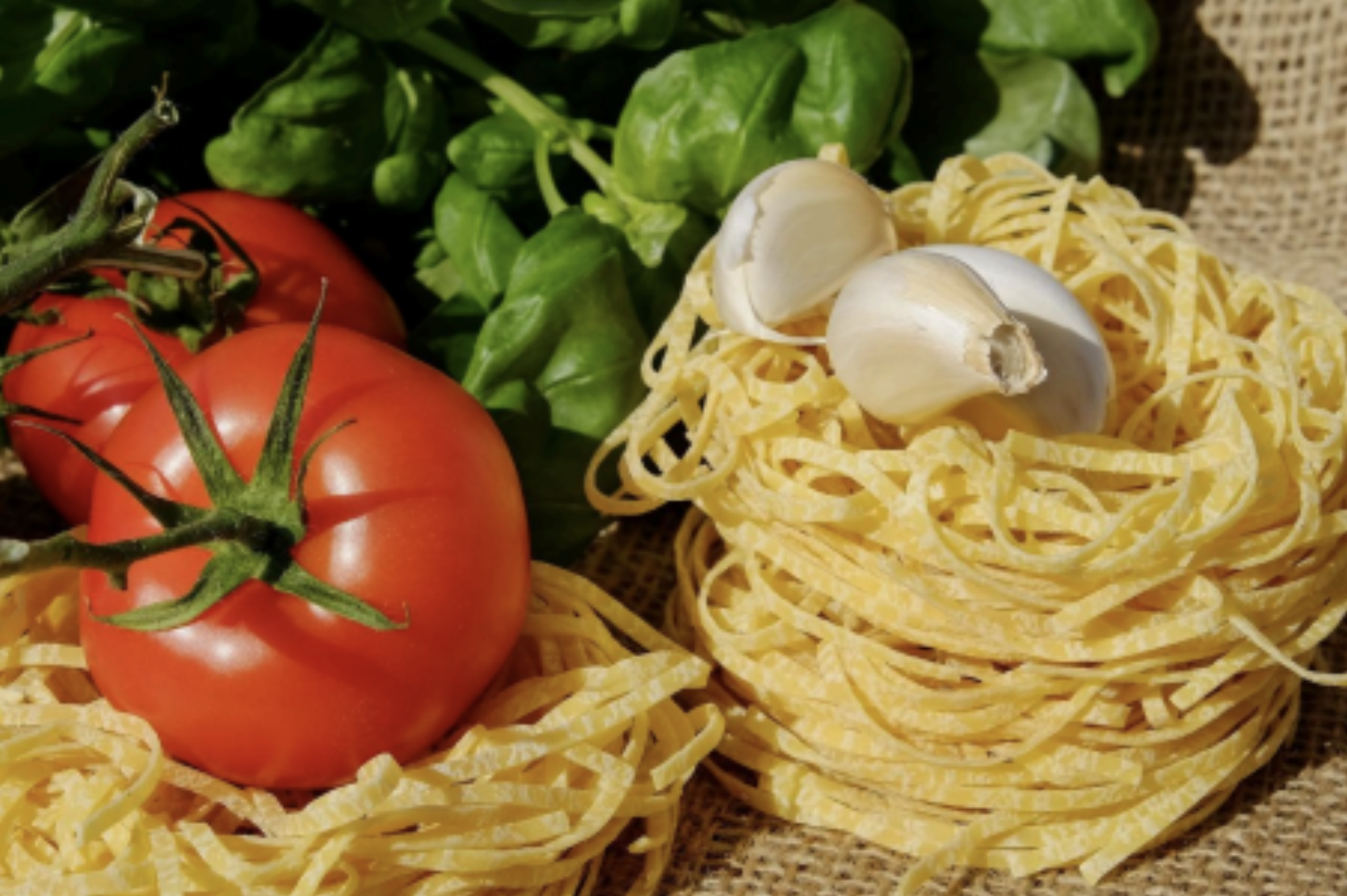
Figure 1: Image by Couleur from Pixabay.
In the context of design, can something be considered new or are “new” ideas re-hashed versions of old? Designers operate in an evolving continuum where various influences (e.g., ideas, materials, and cultural influences) intersect. What might seem new to one person could simply be a reimagined form of something that already existed for another. So then, when we say a design is new, what do we mean? Are we referring to its form, function, or context? Is it new because it has never been seen, or are there other meanings? Or can something be old but considered new just because it fulfills a need in a fresh or innovative way?
Where Do Designs Come From?
This question gets even more interesting when you think about where designs originate. A lot of designs are built on things that already exist. Designers constantly solve new problems but often use tools, ideas, or materials that have been around for a while.
Take the iPhone, for example. When Steve Jobs introduced it, he didn’t say Apple had invented something entirely new out of thin air. Instead, he said it was a combination of a widescreen iPod, a mobile phone, and an internet communicator [2]. All those things already existed, but Apple brought them together in a completely fresh way. So, the iPhone itself was “new,” but since it was a clever remix of existing technologies should it be considered “new”?
That’s a common thread in many fields from food to design—often, it’s about recombination and reinterpretation. Just as Italian cuisine combined “new” ingredients to create what we now consider traditional dishes, designers borrow, reimagine, and merge old ideas to create something that feels new. Everything a designer creates will be based on experiences, knowledge, and observations they’ve absorbed and then mashed together to form something new that resonates with their target audience.
Recombination and Learning by Copying
Building on this idea, can something be new if it’s inspired by, or even copied from, something else? I used to think copying was strictly bad, but I’ve realized that it’s a natural part of design. In the words of Salvador Dali, “Those who do not want to imitate anything, produce nothing” [3].
The key, though, is what you do with that knowledge. You might start by mimicking someone else’s work, but over time, you build on it, combine it with your own experiences, and eventually create something that feels your own. You do that by using the knowledge you've gained to create, explore, and ultimately innovate. Is that still “new”? Maybe. Maybe not. But it’s definitely different.
Design is always rooted in experience and observation. Even when a design seems groundbreaking, it's often the result of countless influences, blended in a new way. That doesn’t make it less valid; it just adds layers to the conversation about what’s new.
Inspiration vs. Originality: How Different Does Something Have to Be?
So, if you’re drawing from what already exists, how different does your creation have to be to still be considered new? This is where context comes into play. Designs evolve to fit new situations and needs, which makes them feel new even if they’re based on older ideas. Let’s explore this idea:
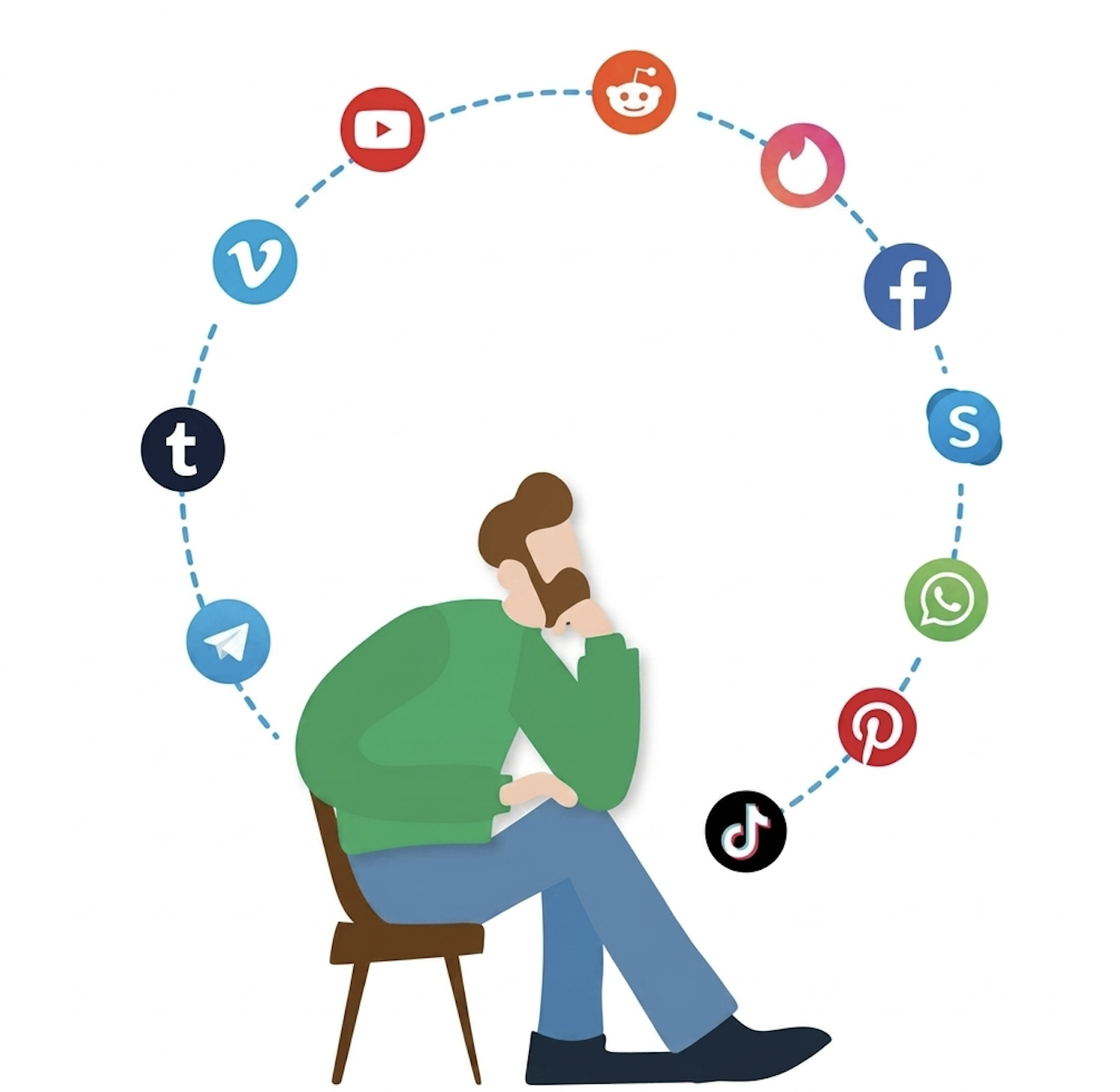
There were plenty of early social media platforms, but most didn’t succeed like Facebook did [4]. Facebook combined existing concepts and turned them into something socially relevant at the time. Then there’s technology. Did you know that tablets have been around since the late 1980s [5]? But they didn’t take off until much later. When tablets finally became mainstream, many people considered them a “new” invention. But were they? Or was the timing just right, and the technology finally good enough for people to adopt it?
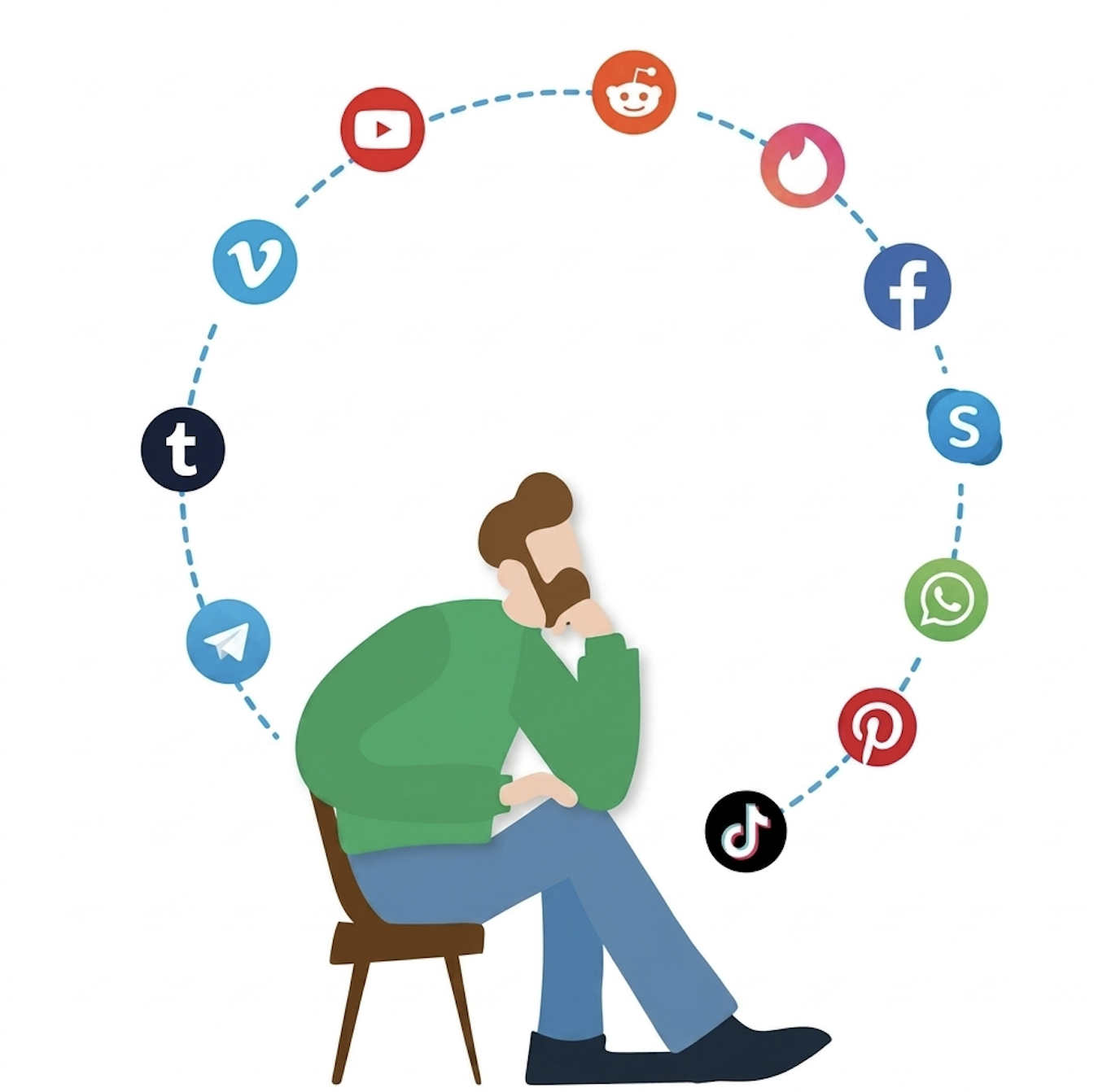
Figure 2: Image by Alexandra_Koch from Pixabay .
These examples show that creating something impactful doesn’t always mean starting from scratch. What feels fresh and innovative emerges from reworking familiar ideas to resonate in a new way. Whether combining existing technologies, like the iPhone, or blending flavors in cuisine, “new” can simply mean relevant. Sometimes, it’s about being “new enough” to capture the moment and meet current needs. Design is more about rethinking, recombining, and adapting what’s already out there to fit a new moment or solve a new problem. A “new” design is just as much about timing, context, and interpretation as it is about the invention.
So, What Is New to Design?
We live in a world where inspiration flows freely across cultures, times, and technologies. Does that mean nothing is ever truly new? Maybe. Or maybe it means that design is this constantly evolving conversation—an endless cycle of reinvention, reinterpretation, and innovation.
What does this mean for us as designers and what does it mean for something to be new in design? Meaning newness involves context, functionality, aesthetic innovation, and cultural shifts. In an increasingly interconnected world, being “new” may not always mean creating from nothing (there’s no need to reinvent the wheel). Instead, it could be about recombining, rethinking, and adapting ideas to meet new challenges or resonate with a new audience. Ultimately, what is novel may not be the materials or ideas themselves, but how and when they are utilized, transformed, or introduced.
So, can Italian dishes with tomatoes be considered “traditional?” In the end, maybe it doesn’t matter. They transformed Italian cuisine, impacting the world for hundreds of years. “Traditional” cuisine, like design, blurs the line between new and old–it evolves with our experiences and is continuously re-invented by chefs searching for new flavors. Maybe in a few hundred years, we’ll see today’s designs as “classics”, having forgotten their roots but remembering their impact.
References
[1] "The Italian Tomato." CSU Extension, Colorado State University, pueblo.extension.colostate.edu/the-italian-tomato/. Accessed 1 June 2026.
[2] Reisinger, Don. "Steve Jobs Knew iPhone Would Be Iconic. More Than 2 Billion Phones Later, He Was Right." CNET, Red Ventures, www.cnet.com/tech/mobile/steve-jobs-knew-iphone-would-be-iconic-more-than-2-billion-phones-later-he-was-right/. Accessed 1 June 2026.
[3] Dalí, Salvador. “The Futuristic Dalí.” Dalí by Dalí, translated by Eleanor R. Morse, Harry N. Abrams, 1970, p. 137.
[4] "Timeline of Social Media." Wikipedia, Wikimedia Foundation, en.wikipedia.org/wiki/Timeline_of_social_media. Accessed 1 June 2026.
[5] "Tablet Computer." Wikipedia, Wikimedia Foundation, en.wikipedia.org/wiki/Tablet_computer. Accessed 1 June 2026.
To cite this article:
Stevens, Tyler. “What Does It Mean to be New.” The BYU Design Review, 1 Jun 2026, https://www.designreview.byu.edu/collections/what-does-it-mean-to-be-new.