Bow Design: Whatever Does Float a Boat?
On a recent trip to Europe, I got to spend a lot of time around and on boats. Boats for ferrying passengers, boats for transporting cargo, and even large private yachts. I am usually not that interested in boats, as I am more of an aerospace guy. However, I observed something interesting: among all the boats, there seemed to be an endless variety of bow designs.
As I began researching the design behind boat bows, I discovered that bow design is controlled by two primary variables: the speed of the boat, and the expected wave size or frequency in the water. Waves can form in two ways. The first is through wind, and the second is the result of an object (such as a boat) passing through the water. Two important examples of the former are bow waves and trough waves, which form at the beginning and end of a boat. When the wavelength of these waves equals the length of the boat, drag increases due to constructive interference from these two waves. As a result, to make a more hydrodynamic boat, you want to maximize the waterline of a boat (the length of the boat at the surface of the water).
This is the design philosophy of the Plumb Bow, which maximizes both the waterline and the hull volume, which made it the ideal shape for older cargo vessels. A Raked Bow modifies the Plumb Bow by increasing the length of the boat’s deck relative to the waterline, which creates an angled bow. Though this reduces the amount of cargo the boat can hold, it increases the boat’s buoyancy making it ideal for smaller craft and ships operating in large waves relative to their size. A Flared Bow takes the Raked Bow a step further by curving the surface of the bow outwards, allowing it to deflect sea spray away from the boat, decreasing the amount of green water on deck. This improves crew comfort and safety on deck, and is found mainly on smaller, uncovered boats. These three bows are classic designs and have existed for centuries.
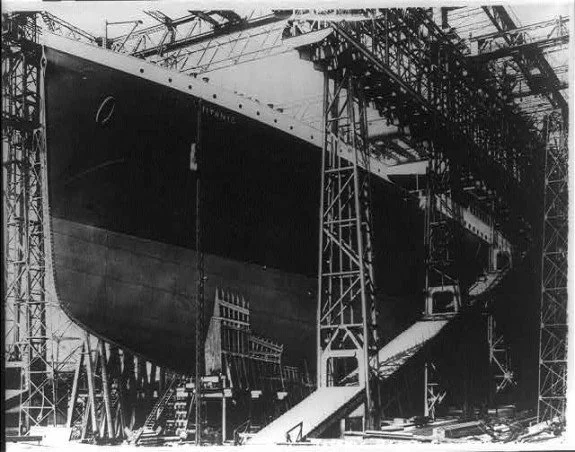
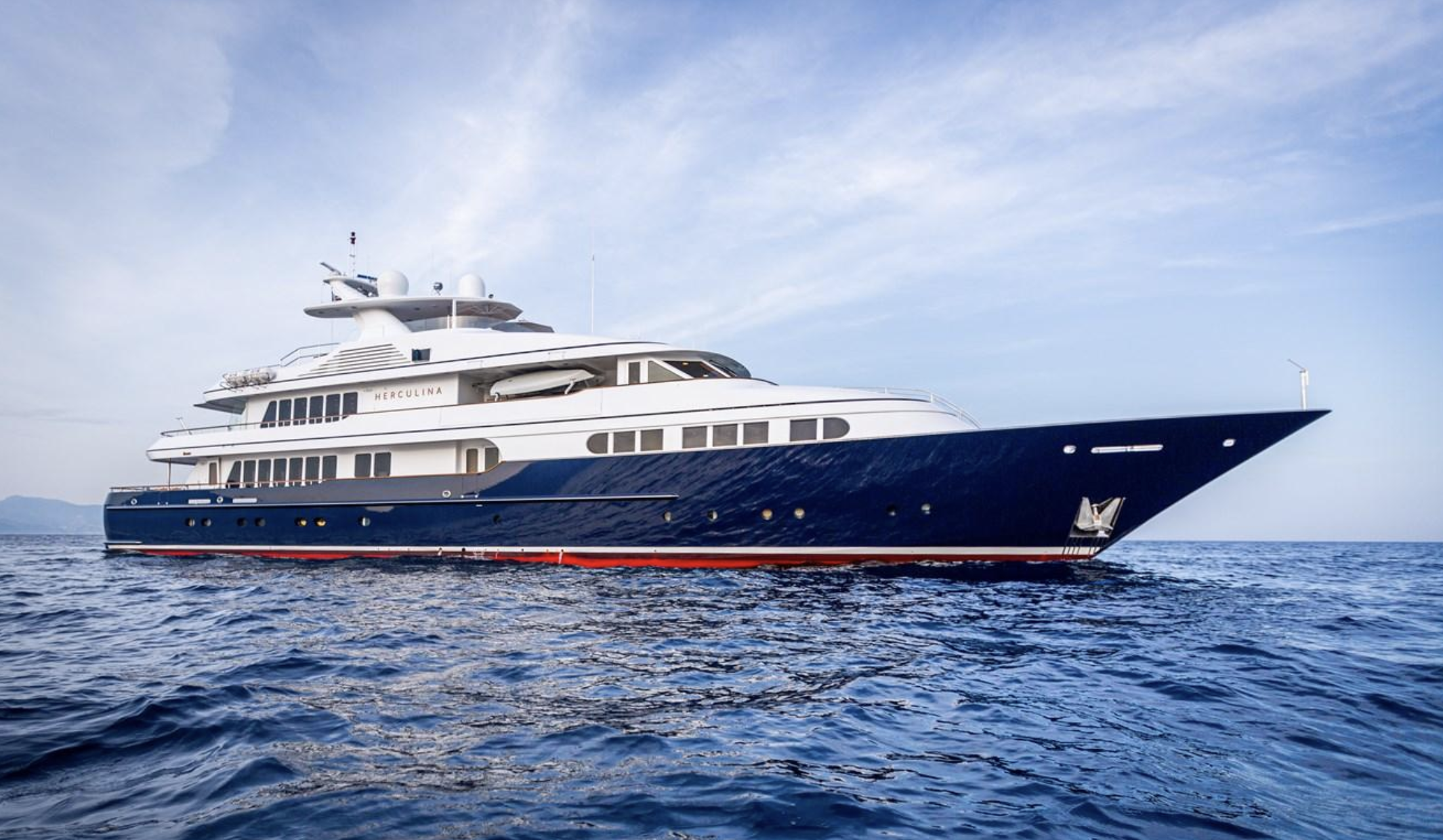
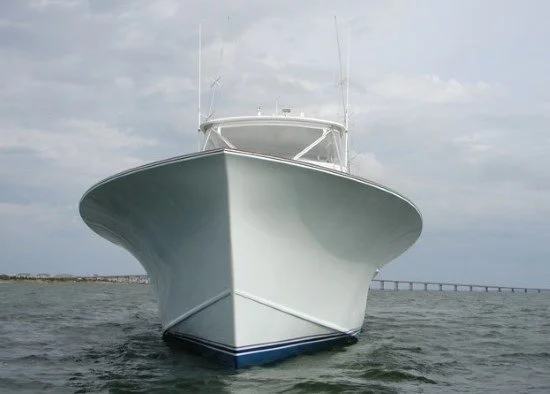
Figure 1: The left image shows a Plumb Bow on an ocean liner built in the 1910s [1]. The middle image shows a Raked Bow on a modern luxury yacht [2]. The right image shows a Flared Bow on a modern uncovered bay boat [3].
With the advent of modern hydrodynamics and engineering analysis, ship designers have created new bows over the last few decades that allow ships to further specialize in their operation. The most famous example is the Bulbous Bow, which you have no doubt seen on large, modern boats like cruise ships and cargo vessels. It takes one of the three traditional bow shapes mentioned above, but it adds a large bulb at the bottom of the bow. The purpose of the bulb goes back to gravity waves formed by the bow of the ship. As a ship passes through the water, the bow wave starts just before the bow and propagates down the length of the ship, increasing the wave drag. The bulb decreases the size of this wave by creating another wave before the bow wave, which at the ship’s design speed will destructively interfere with the bow wave and drastically reduce its size. This is advantageous for large ships that travel thousands of miles at the same speed and can provide a 10-13% reduction in fuel consumption!
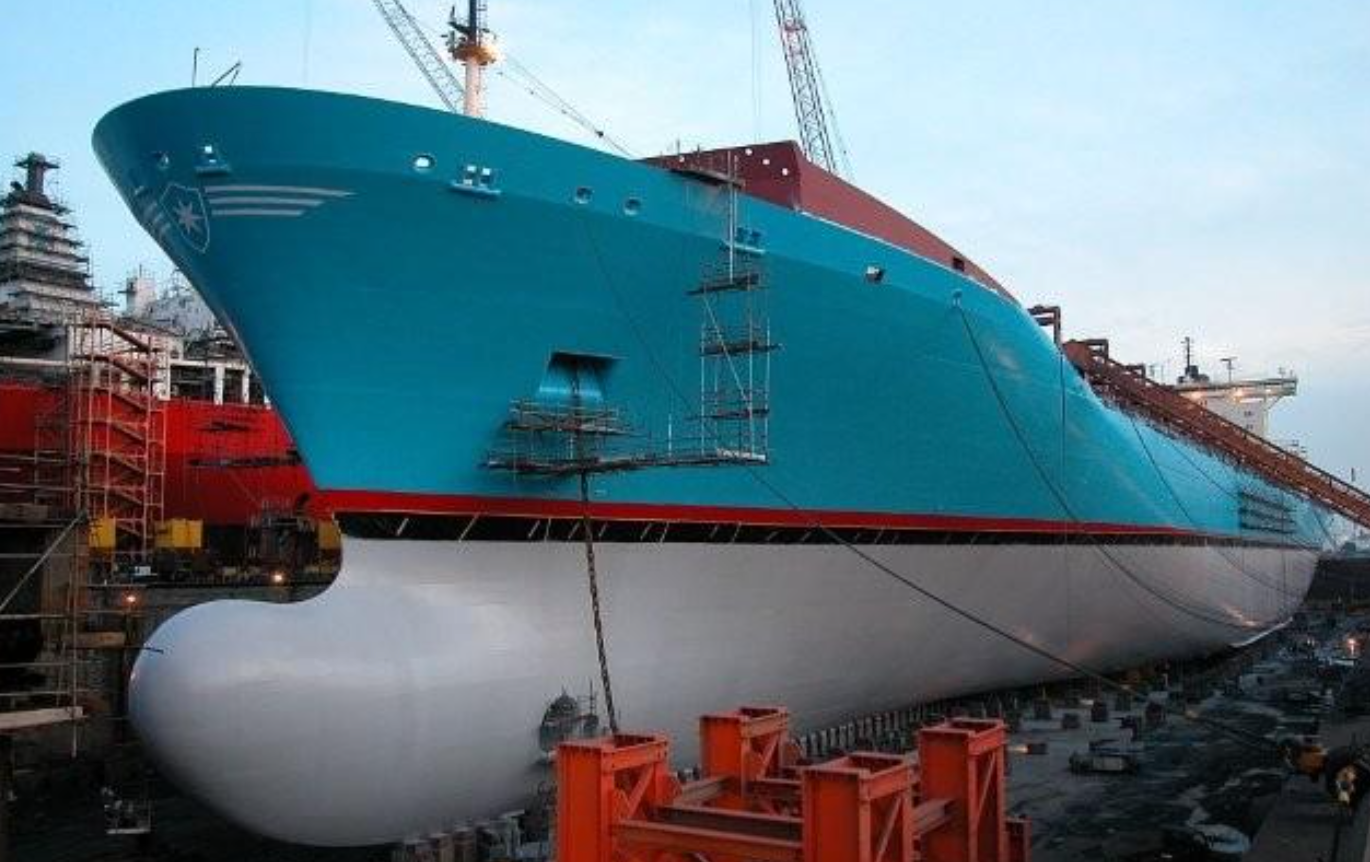
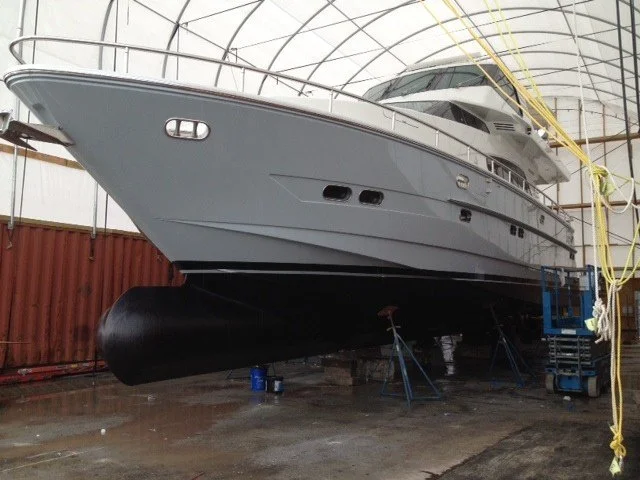
Figure 2: Two examples of bulbous bows on ships. The left image shows a cargo ship with a base Flared Bow with the bulb attached [4], and the right image shows a base Racked Bow with the bulb attached [5].
Another recent design is a class of bows called wave cutter bows. These bows are designed to allow a ship to physically cut through large waves rather than ride them up and down, creating a more comfortable ride experience for passengers and reducing cyclic fatigue. This is ideal for luxury ships and research vessels. Two great examples are the Axe Bow and the X-Bow. These bows are designed to maintain roughly the same buoyancy when they hit waves, meaning that the boat will not rise with or sink into the wave.
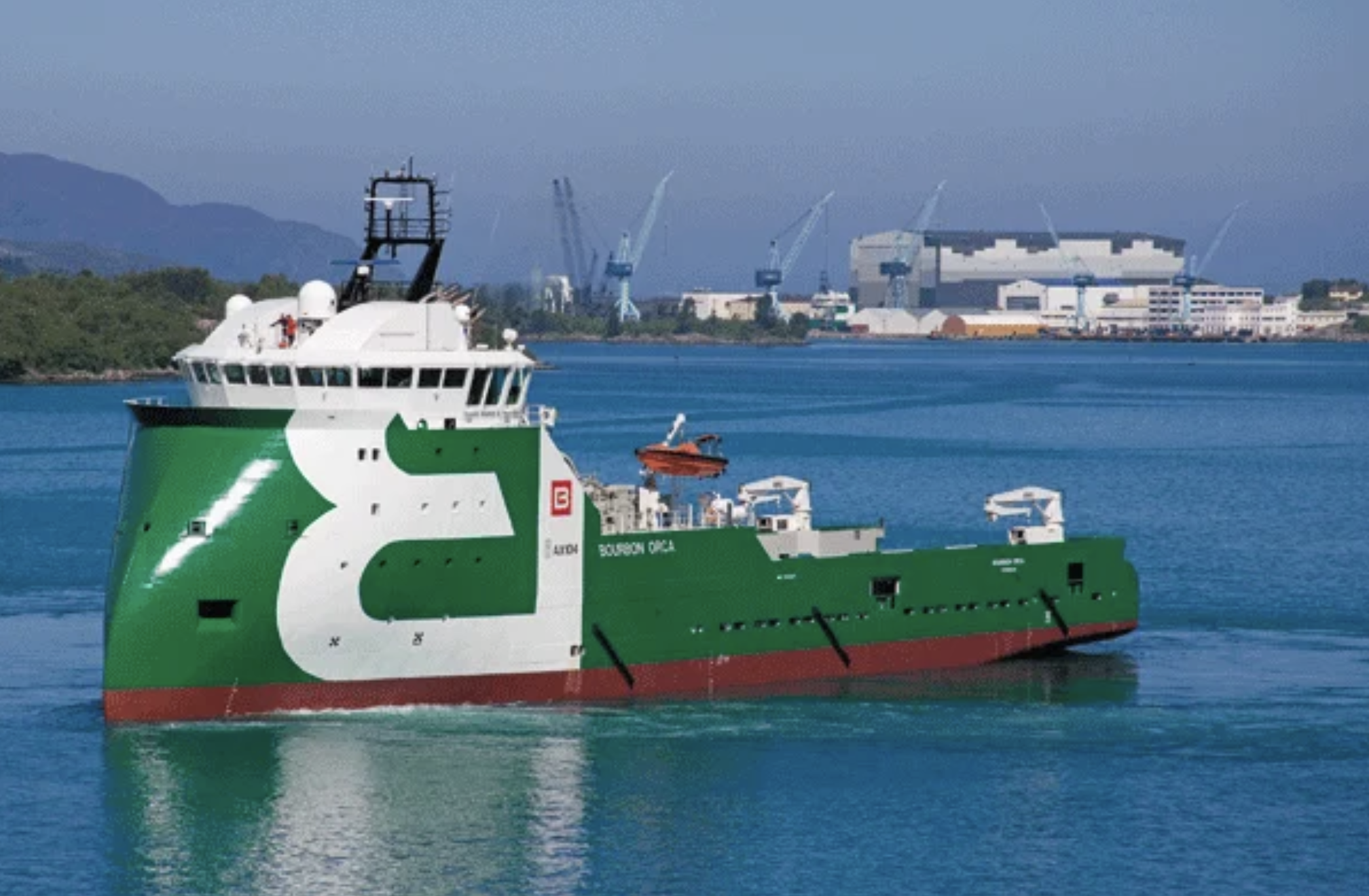
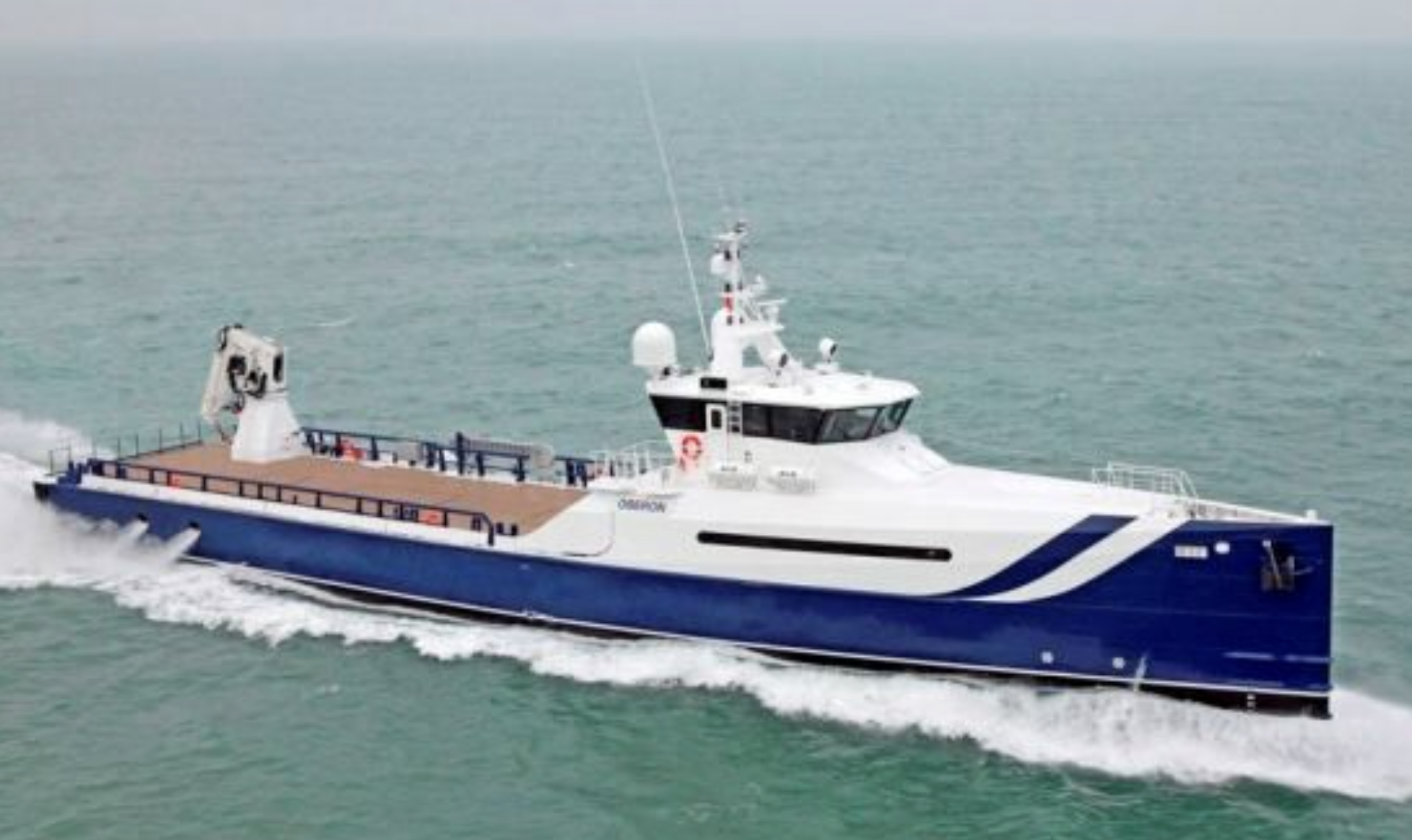
Figure 3: The left image shows an example of an X-Bow [6], while the right image shows an example of an Axe Bow [7].
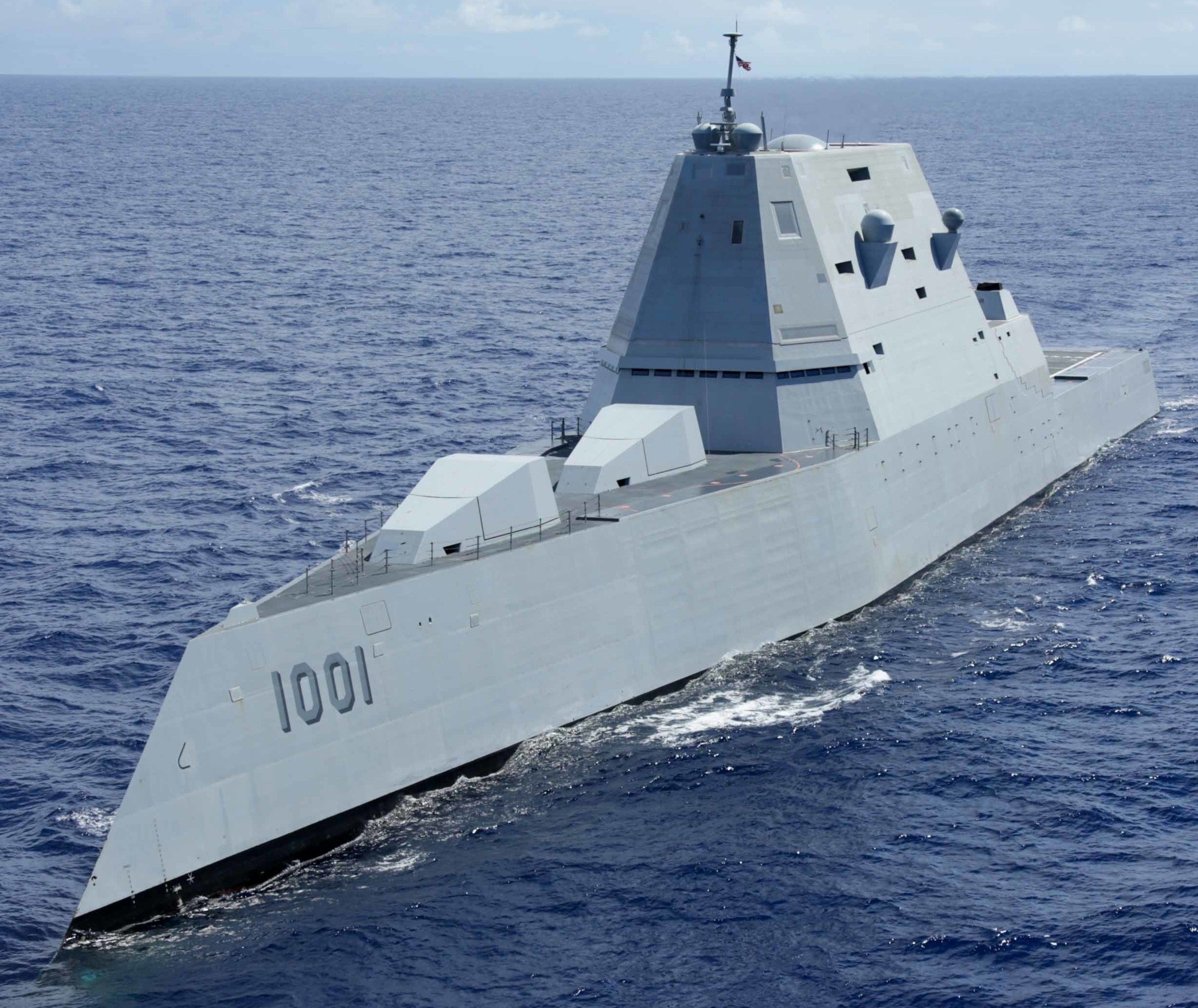
Perhaps the most counter-intuitive modern bow design is the inverted bow. Upon first inspection, it seems to do the exact opposite of what you want a bow to do. It does not increase boat buoyance with depth, it gets more green water on the surface of the ship, and it decreases space for cargo and crew! However, it provides a few advantages that are particularly attractive for warships. On ironclad warships used during the 1800s, the inverted bow was chosen because it lowered the ship’s center of gravity in the water, making it more stable. The inverted bow also makes it more difficult for another ship to board the vessel since the decks cannot touch. In modern warfare, the inverted bow has made a comeback due to its stealth characteristics, scattering radar and contributing to a smaller cross section. This can be seen on the United States Zumwalt-Class Destroyers.
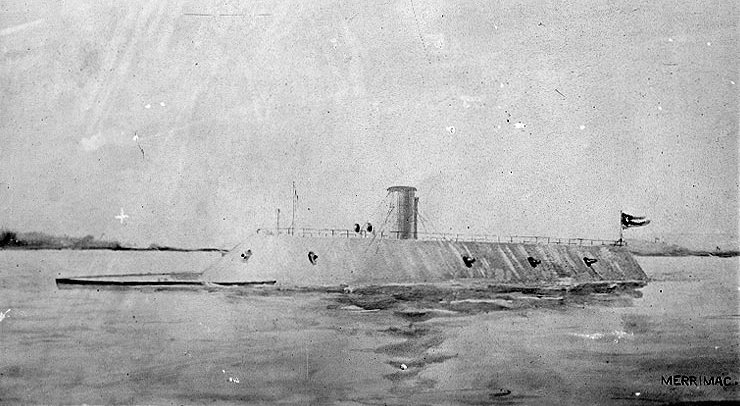
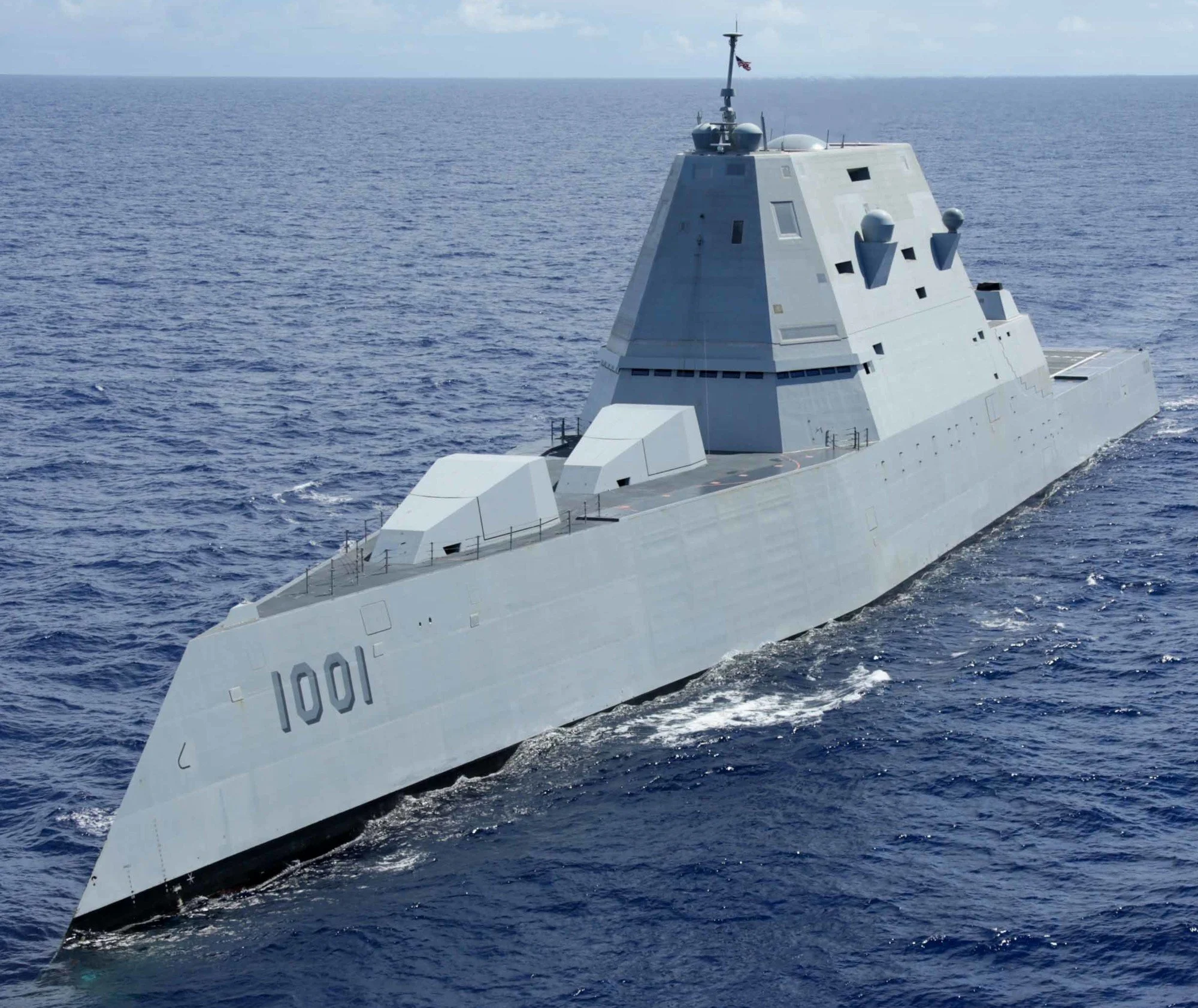
Figure 4: The left image shows the CSS Virginia, an ironclad warship used during the American Civil War [8]. The right image shows a Zumwalt-Class Destroyer currently in use by the United States Navy [9].
This article only covered the most common and exotic bow designs. There are many other bows that are designed for other purposes like aesthetics, traveling through ice, and operation in grassy areas, so feel free to explore those waters. What is incredible to me is some of these bow designs have existed for millennia, with boat builders discovering the optimal bow shapes through pure trial and error across generations. My hope is that the next time you see a boat, you can better appreciate naval engineering — and annoy your family by explaining bow design on your next cruise.
References
[1] Weiner, Sophie. "A 'Titanic II' Replica Will Aim to Retrace the Ill-Fated Ship's Voyage." Smithsonian Magazine, 13 Feb. 2014, www.smithsonianmag.com/smart-news/titanic-replica-will-aim-to-retrace-ill-fated-ships-voyage-28743122/.
[2] "Hercules." Yacht Harbour, yachtharbour.com/yacht/hercules-647. Accessed 6 July 2026.
[3] "12 Important Features in a Center Console." BoatTEST, boattest.com/view-news/5372_12-important-features-in-a-center-console. Accessed 6 July 2026.
[4] "Bow Shapes Explained." BoatTEST, boattest.com/article/bow-shapes-explained. Accessed 6 July 2026.
[5] Bray, Patrick J. "Bulb & Stern Refit - Horizon 65." LinkedIn, www.linkedin.com/pulse/bulb-stern-refit-horizon-65-patrick-j-bray/. Accessed 6 July 2026.
[6] "Ulstein X-Bow Nominated as Top Norwegian Innovation." gCaptain, gcaptain.com/ulstein-x-bow-nominated-as-top-norwegian-innovation/. Accessed 6 July 2026.
[7] "Oberon Changes the Support Vessel Market." SuperYacht Times, www.superyachttimes.com/yacht-news/oberon-changes-the-support-vessel-market. Accessed 6 July 2026.
[8] "CSS Virginia." Wikipedia, Wikimedia Foundation, en.wikipedia.org/wiki/CSS_Virginia. Accessed 6 July 2026.
[9] "USS Michael Monsoor (DDG 1001)." Seaforces-online, www.seaforces.org/usnships/ddg/DDG-1001-USS-Michael-Monsoor.html. Accessed 6 July 2026.
To cite this article:
Creighton, Barry. “Bow Design: Whatever Does Float a Boat?” The BYU Design Review, 6 Jul 2026, https://www.designreview.byu.edu/collections/bow-design-whatever-does-float-a-boat.