Eli Whitney and Interchangeable Parts
The name of Eli Whitney is most often linked to the cotton gin, but his engineering expertise extends beyond that one invention. In fact, widespread fraud and patent piracy meant the cotton gin brought him little financial success [1]. Instead, Whitney’s true breakthrough came in 1798 when he obtained a contract for the manufacture of firearms, and he delivered 10,000 muskets by mass-producing parts instead of making each gun by hand according to previous custom [2].
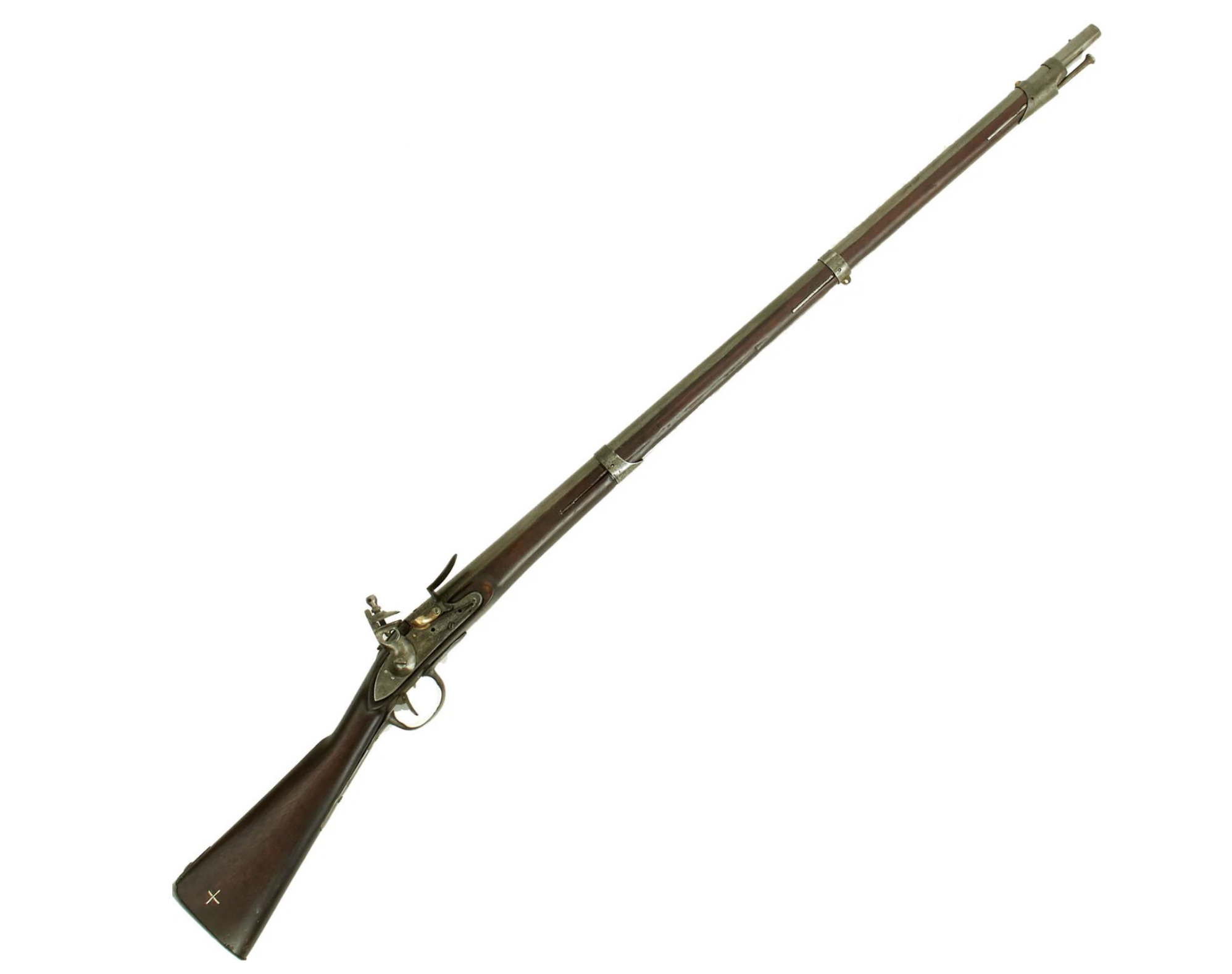
Figure 1: An 1812 musket model designed by Eli Whitney [3].
Proof of Concept
Whitney had originally promised Congress that he would have their 10,000 muskets in two years - an imaginably short period at the time. Set back by delays, he was eventually requested to appear before government representatives to demonstrate his progress. In an event that has been called one of the greatest displays of American manufacturing history, he assembled a gun from the parts of 10 other disassembled muskets, choosing pieces that seemed at random. The onlookers, including President John Adams and future president Thomas Jefferson, were deeply impressed with a feat that was previously impossible. Although the event was later proven to have been staged, it proved Whitney’s concept - muskets could be manufactured en masse [4]. In a way, Whitney pioneered the saying “fake it till you make it.”
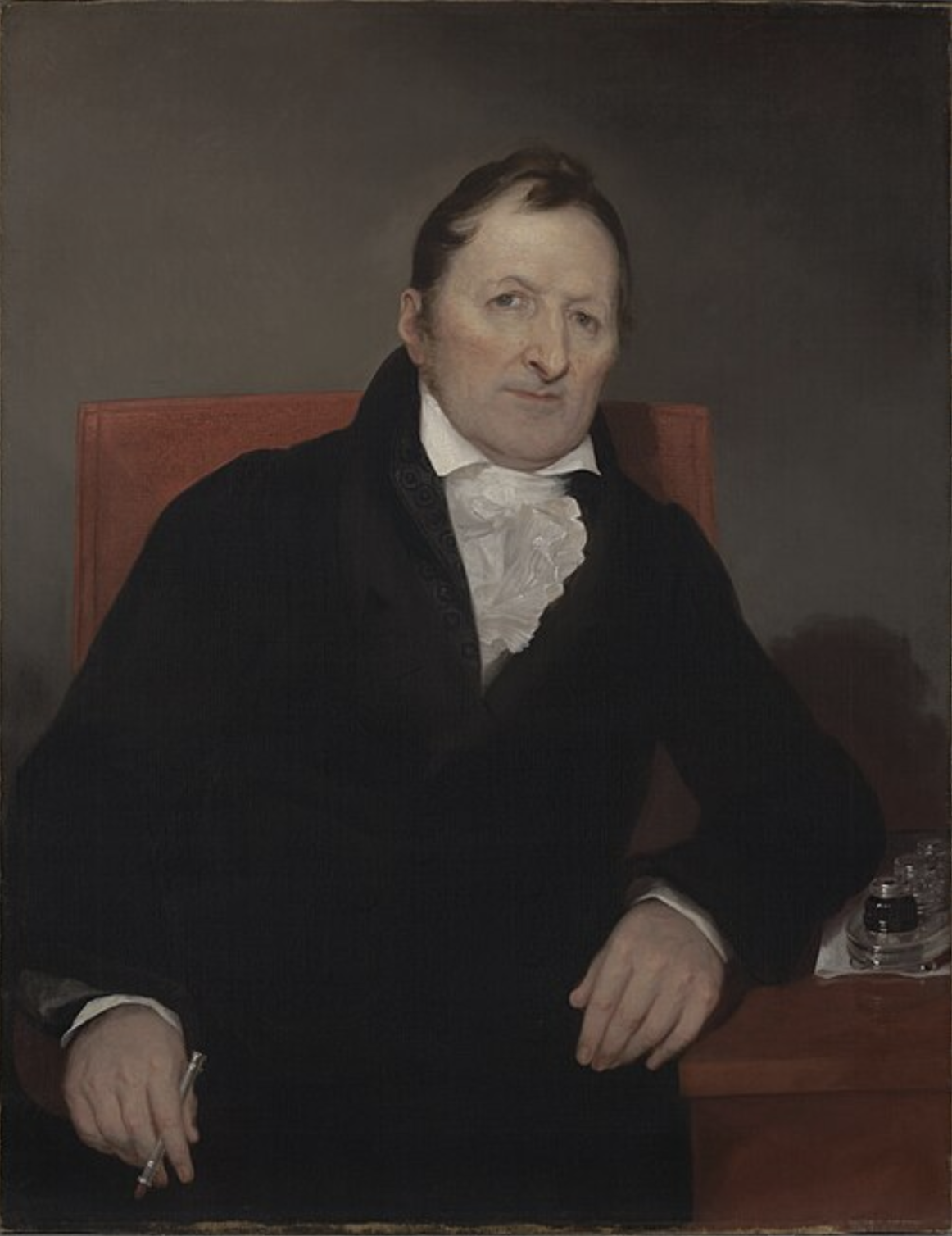
Figure 2: A portrait of Eli Whitney [5].
Taking Risks
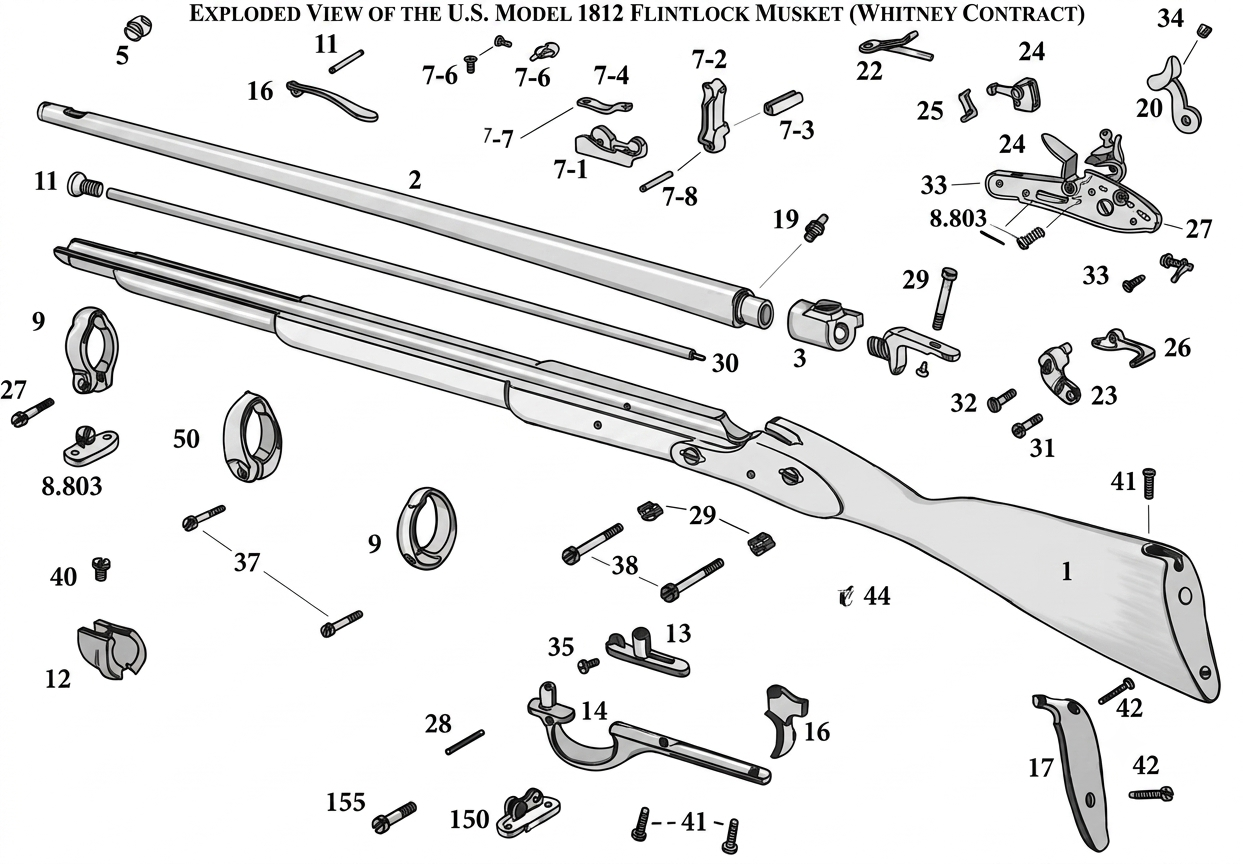
The idea of using interchangeable parts was neither an idea invented by Whitney nor an idea he perfected. The idea to use interchangeable parts to make firearms originated with Honoré Blanc, a visionary Frenchman, but it did not catch on with the French government. This was, in part, caused by resistance from professional blacksmiths that wanted to preserve their industry. Still, Whitney saw potential with the concept and used his reputation with the cotton gin to take a risk with a large government contract. He even established the first factory village in Connecticut to support the production efforts. His dedication to designs that had not been perfected illustrates how diligent design can yield substantial rewards [6].
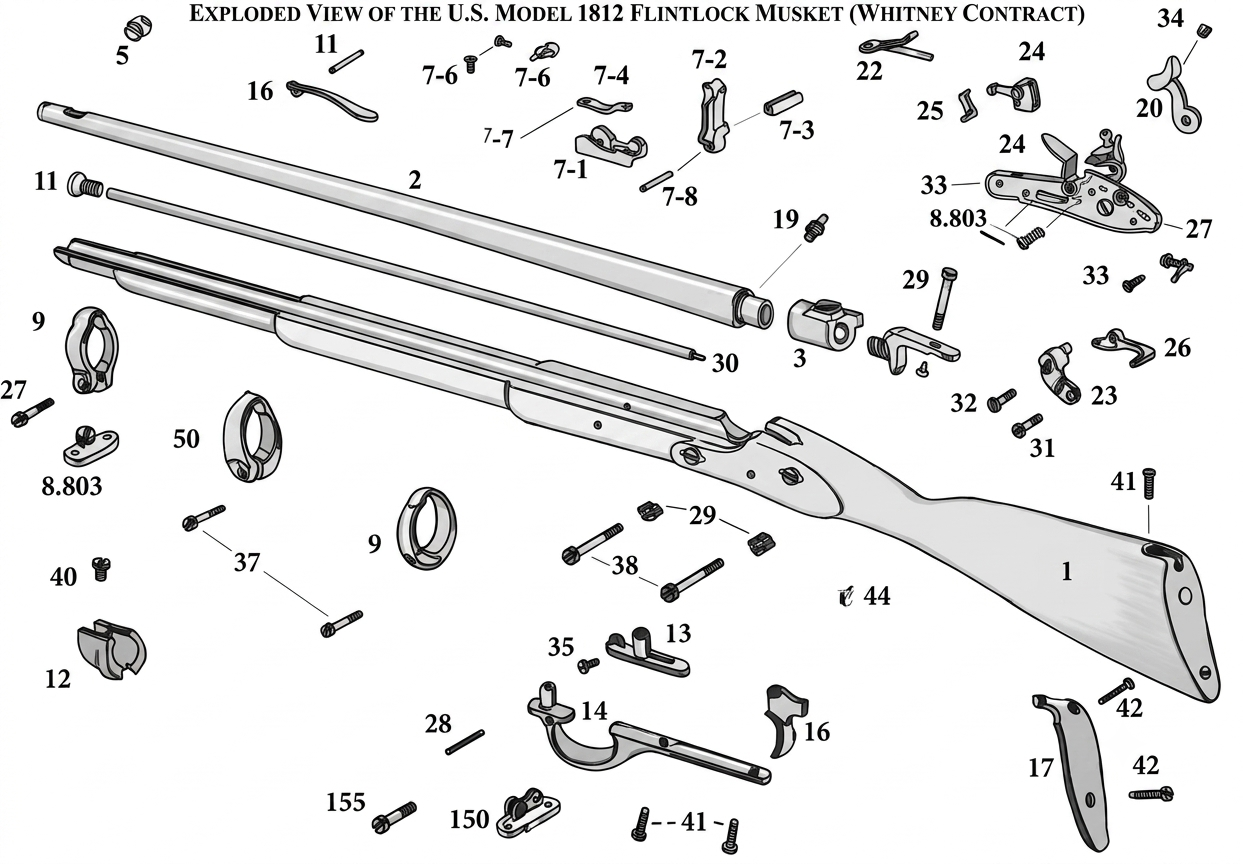
Figure 3: An illustration of the interchangeable parts of a musket [7].
The Legacy of Interchangeable Parts
Although Whitney did not perfect the system he envisioned, his work inspired others. One notable individual was Simeon North, another gun manufacturer who also developed the first metal milling machine. As the use of interchangeable parts caught on, it enabled the spread of the industrial revolution. Combining steam power with factory production of identical parts created massive numbers of new jobs and filled markets with cheap, easily replaceable parts. The best designs often have clear ramifications for adjacent fields, and Whitney’s work revolutionized engineering throughout the world [8].
While all inventors want to see their ideas catch on in the world, they also know that good designs will carry on a legacy beyond their own lifespan. Whitney’s bold demonstration before the government, though ethically questionable, highlights how courage and trust in solid design can lead to paradigm-shifting impact. Curiously, Whitney’s legacy also shows how fame and effect are not necessarily linked: Whitney’s renown generally stems from the cotton gin, but interchangeable parts have been arguably more impactful on society and technological development.
References
[1] "Eli Whitney." Biography, A&E Television Networks, www.biography.com/inventors/eli-whitney.
[2] "Interchangeable Parts." History.com, A&E Television Networks, www.history.com/articles/interchangeable-parts.
[3] "Original U.S. Model 1812 Flintlock Musket by Eli Whitney with N. Haven Marking c. 1812-1816." International Military Antiques, www.ima-usa.com/products/original-u-s-model-1812-flintlock-musket-by-eli-whitney-with-n-haven-marking-c-1812-1816.
[4] "Interchangeable Parts: The Manufacturing Revolution That Rewrote Warfare." The Boise Gun Club Handbook, boisegunclub.com/handbook/interchangeable-parts.
[5] "Eli Whitney." Wikipedia, Wikimedia Foundation, en.wikipedia.org/wiki/Eli_Whitney.
[6] "Eli Whitney." This Month in Business History, Library of Congress, guides.loc.gov/this-month-in-business-history/june/eli-whitney.
[7] "Interchangeable Parts." N. Vaughn, nvaughn.weebly.com/interchangeable-parts.html. Digital image restoration and formatting provided by Gemini AI.
[8] "The History of Interchangeable Parts in the Industrial Revolution." Interesting Engineering, interestingengineering.com/innovation/the-history-of-interchangeable-parts-in-the-industrial-revolution.
To cite this article:
Conover, Dylan. “Eli Whitney and Interchangeable Parts.” The BYU Design Review, 13 Jul 2026, https://www.designreview.byu.edu/collections/eli-whitney-and-interchangeable-parts.