Designing a Better Pie
In many ways engineers and chefs share a similar role. Good design is crucial to both. A poorly designed engine can trigger system failure in a car, just as a poorly designed cake can suffer a complete structural collapse. With Pi Day coming up, it feels fitting to run a design analysis on everyone’s favorite dessert: pie.
We will treat pie as an engineering problem by analyzing the methods, materials, and constraints. That means looking at what goes into it, how we handle those inputs, and the practical limits of the kitchen. We’ll judge success by these criteria: flaky crust, sliceable structure, compelling aroma, balanced flavor, and a repeatable, reliable process. With that frame, we can talk about requirements, the choices we make, how we control the process, and how we check the outcome, rather than taste alone.
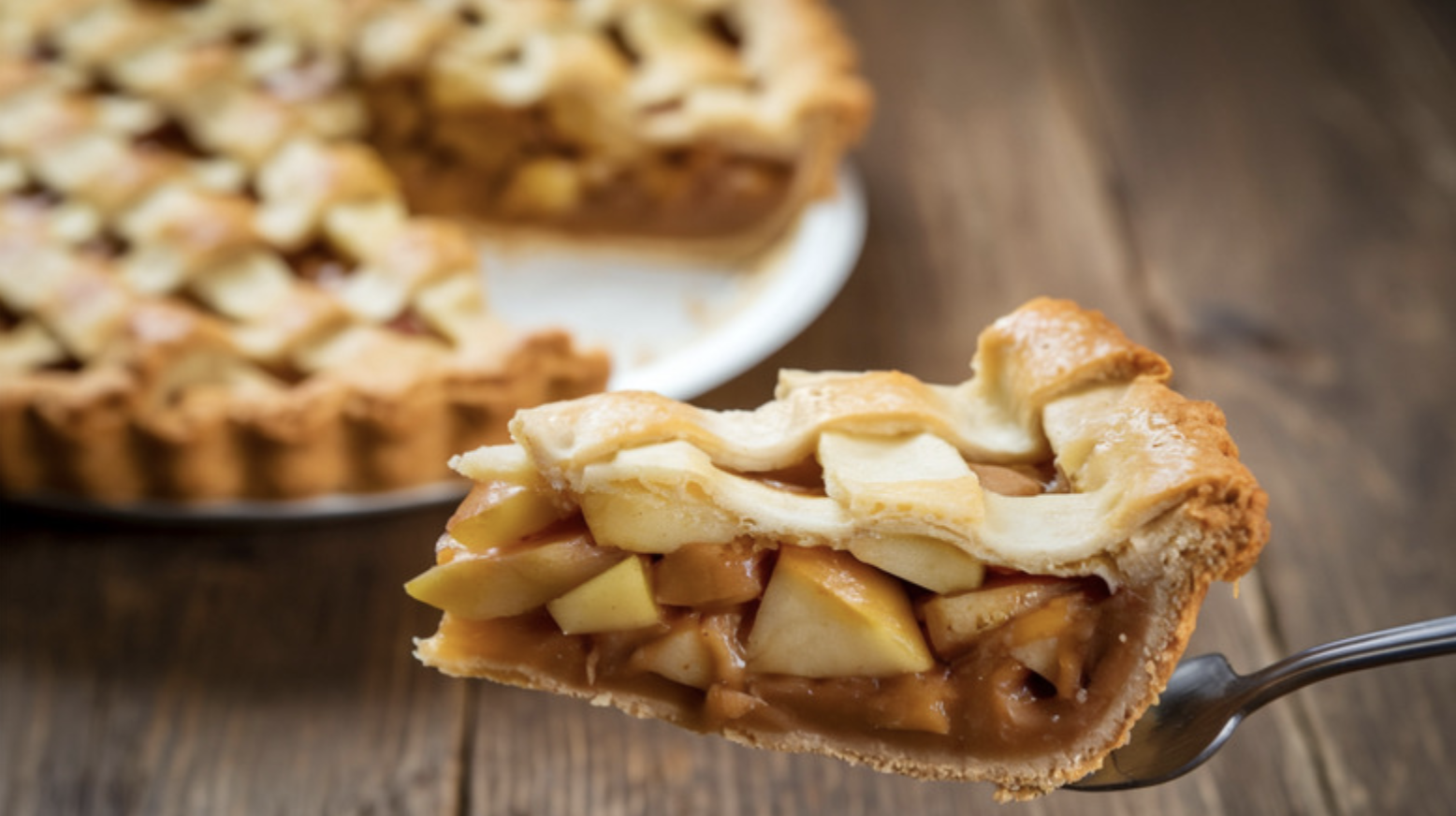
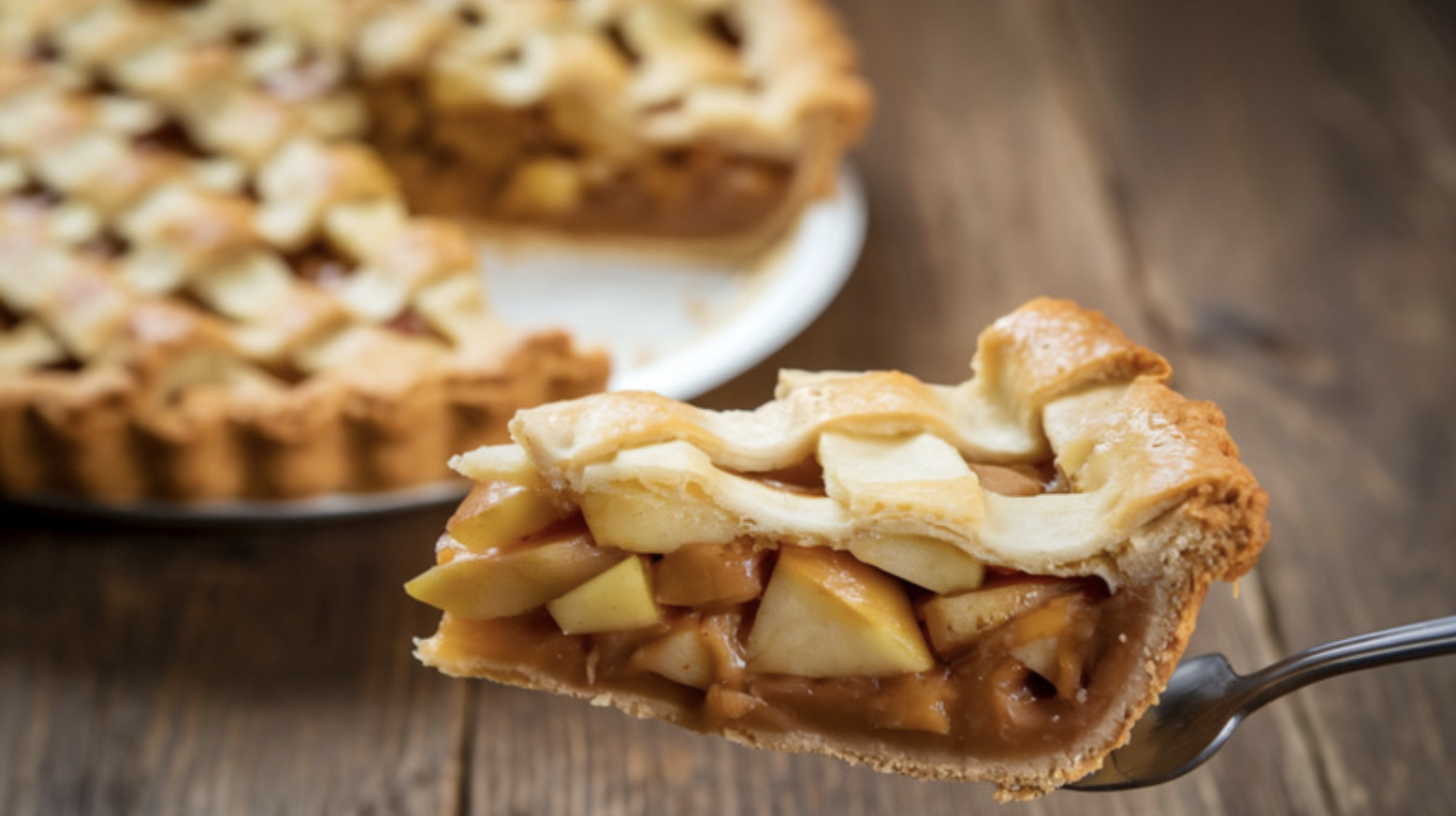
Figure 1: Pie Slice [1].
Materials
Materials are the first lever in our framework because they set the stage for every success criterion. Flour establishes the potential for a flaky crust through gluten capacity: higher protein increases strength but raises the risk of toughness, so flour with a moderate protein content and controlled hydration will preserve tenderness. Fat acts as the structural modifier and flavor carrier. Cold butter, kept in flat, discrete pieces, creates steam expansion during baking and the layered flakes [2]. The liquid system governs dough workability and stiffness. Water hydrates the gluten. Too much water lets the dough overdevelop and the shell can lose shape, too little water leaves the crust underhydrated and crumbly. When you match thickener, such as flour, cornstarch, tapioca, or Instant ClearJel, it transforms the water creating a stable gel so slices hold without falling apart [3]. This can be seen in figure 2. Finally, repeatability comes from treating ingredients like specifications. Weigh by mass, record flour brand and protein level, note butter percentage and mixing temperature, and log thickener type and dose by fruit. Small changes in these inputs show up directly in outcomes, which is why careful measurement supports the reliability target in our framework. Systematic tweaks to materials and proportions let us optimize for flake, structure, aroma, and flavor.
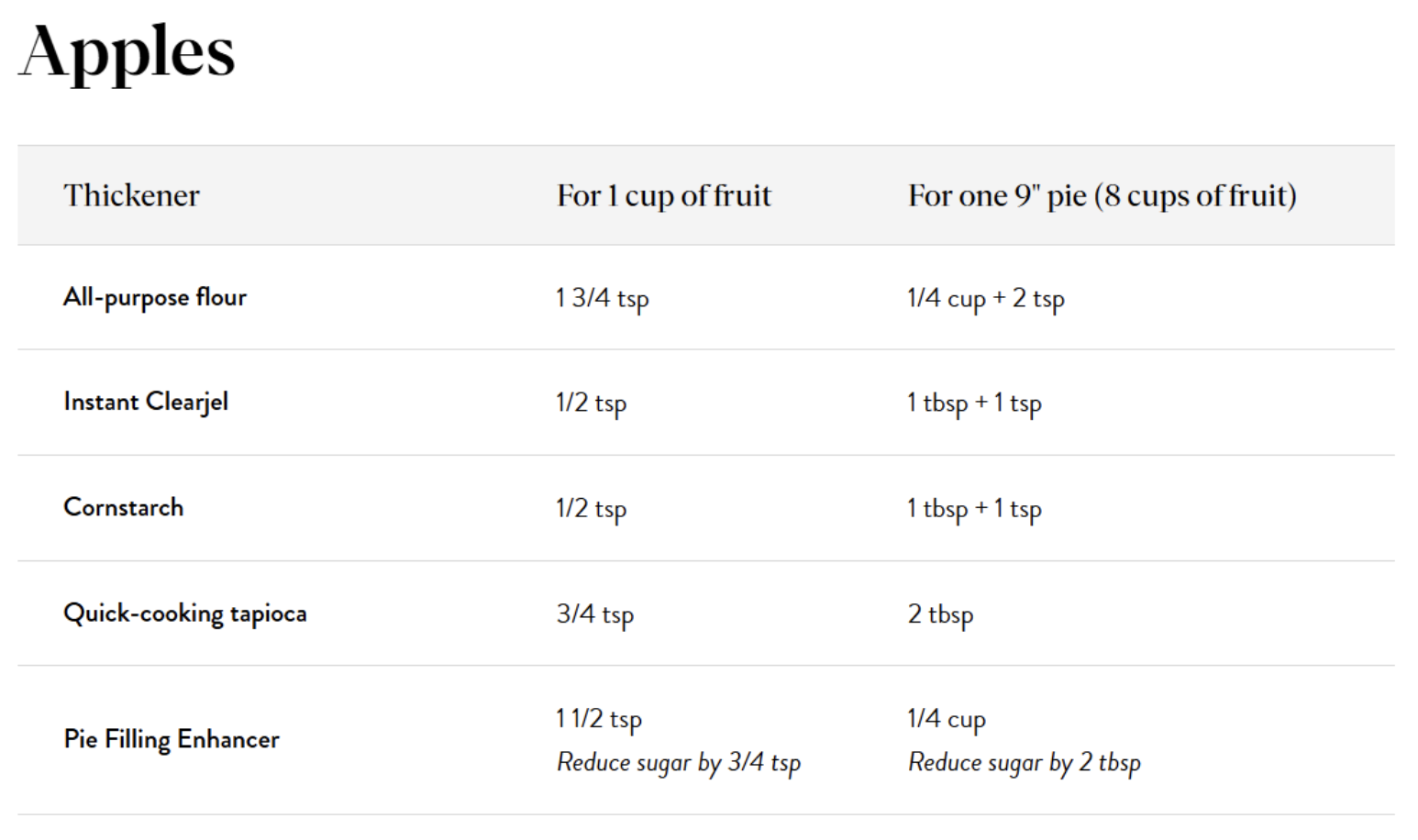
Figure 2: Chart of thickener ratios for apple pie [3].
Methods
Methods are our next driving factor. There are many ways to bake a pie, and they hinge on preparation temperature, tools, and time. Dough temperature matters. If the dough is too warm, the butter softens and smears, which yields a dense, tough crust instead of the light, flaky result we want. Oven temperature matters too. Baking too hot can brown the exterior before the filling sets, burning the crust and muting aroma, while baking too cool can extend time in the oven and risk a soggy bottom. Mechanical action also plays a role. Some mixing is necessary to bind the dough, but too much develops gluten and breaks up the butter sheets, so gentle handling is preferred [4]. Many bakers use their hands or a pastry blender for control; stand or hand mixers can overwork the dough quickly. Finally, pan material influences how the pie develops. Ceramic and glass have higher thermal mass and heat more slowly, so the pie takes longer to bake and continues to cook after it leaves the oven. Metal pans, with higher thermal conductivity, transfer heat faster and promote quicker, more even browning [5].
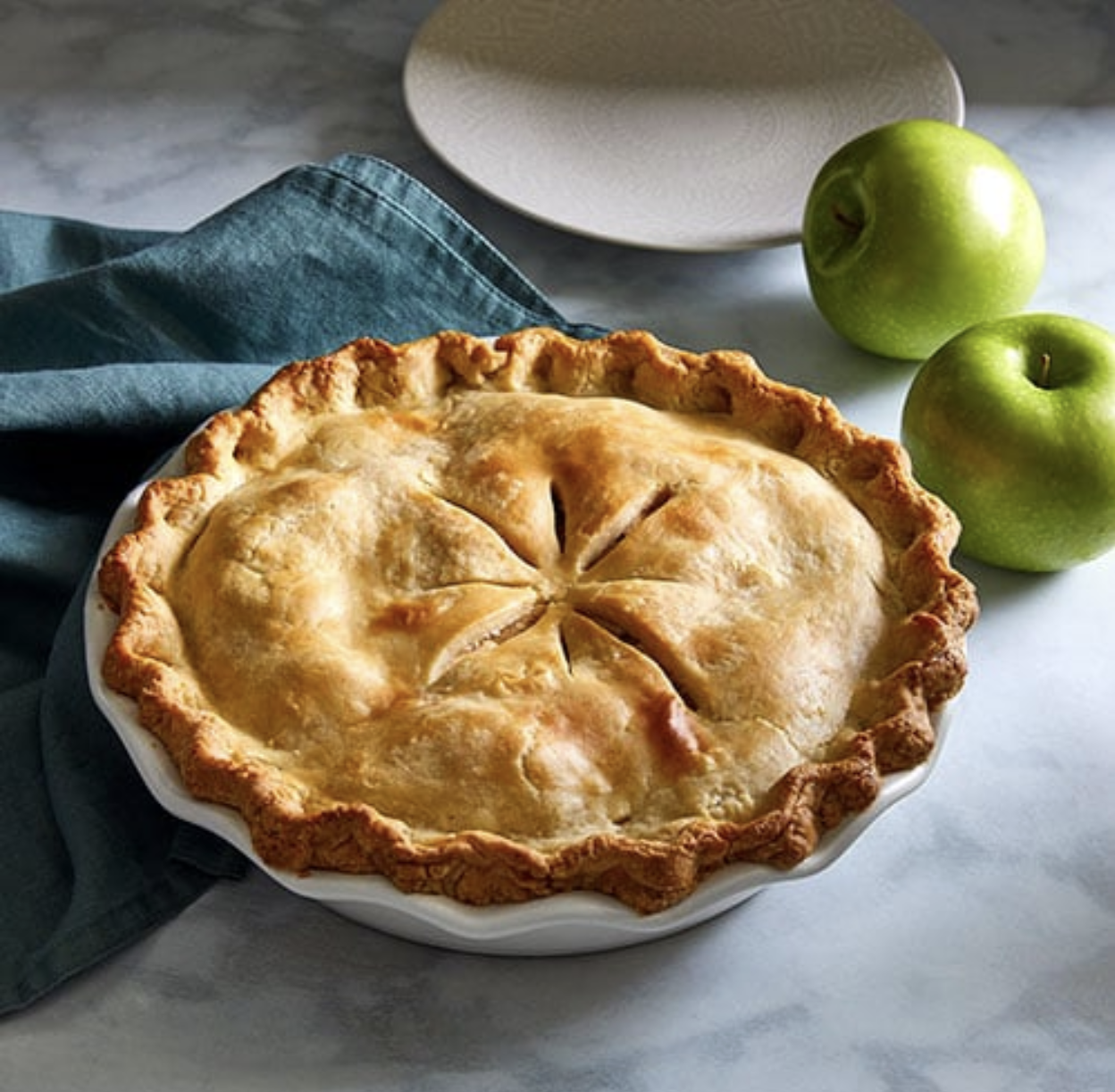
Figure 3: This pie displays uneven browning on the edges due to it being in a ceramic dish [6].
Constraints
Constraints define the operating window for the design and shape our success criteria. Time comes first: the dough needs to be mixed and shaped while cold to keep the butter intact, and the pie must bake long enough and cool fully so the structure sets. You can mitigate this by planning rests into your schedule and pre‑chilling ingredients. Equipment is another constraint. We often have to work with the oven and pans on hand; if the oven heats unevenly, compensate with an oven thermometer, a consistent rack position, and pie tins that allow the pie to cook evenly. Dietary needs also limit choices. Gluten‑free or dairy‑free requirements remove standard flour and butter from the recipe, so use suitable alternatives and adjust the success standards to fit those materials. In all cases, good design means acknowledging the constraints and responding in ways that keep the pie on track.
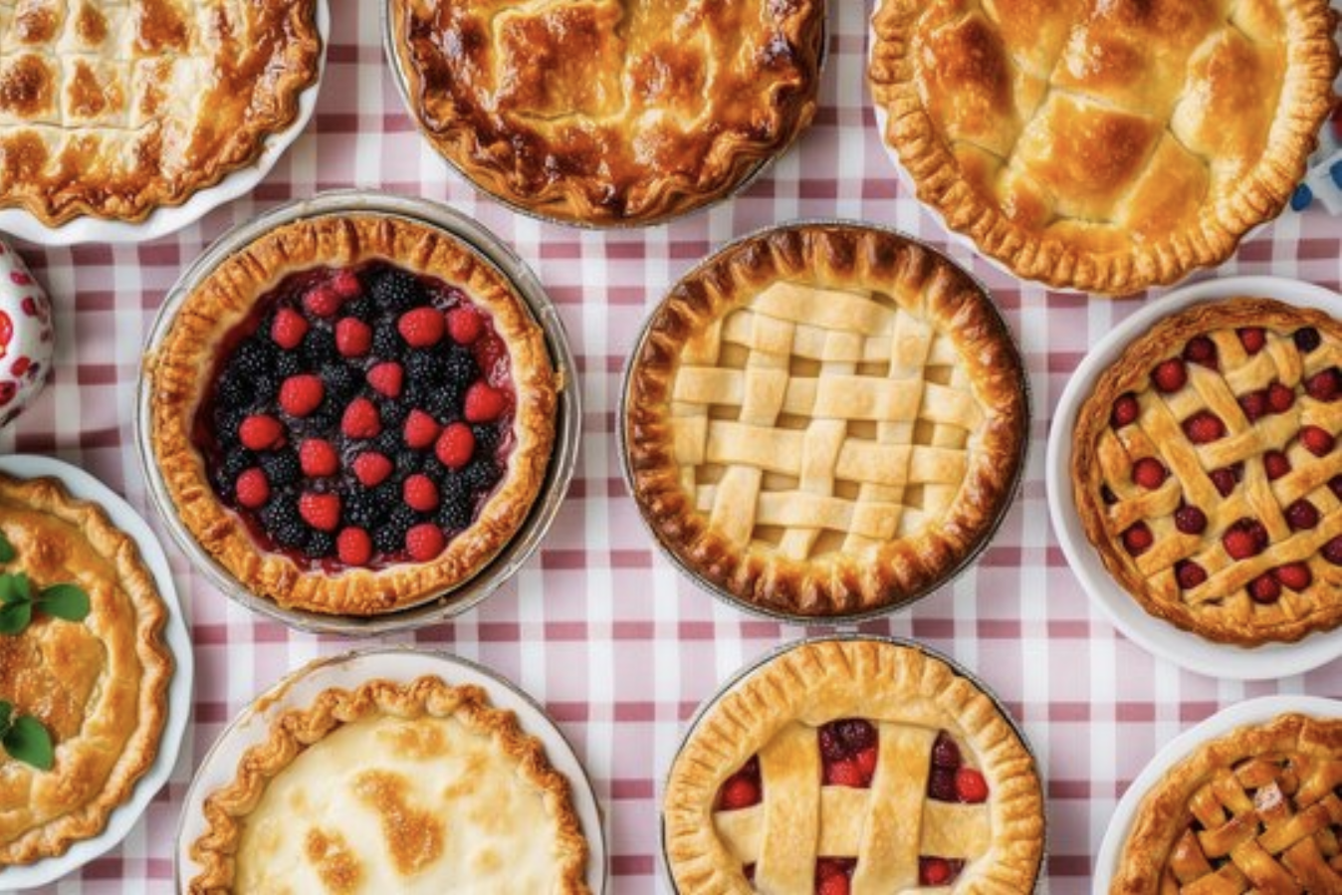
Figure 4: Pies can be made in many ways, each one requiring fine tuned parameters [7].
Designing a pie involves more than we might think. Done well, baking shifts from simply following rote instructions to a thoughtful, engaging engineering process. When we review the materials, methods, and constraints of our baking process, we are applying engineering skills to our cooking. In practice, that means defining requirements, selecting materials that meet those specs, planning a process with controlled variables, and evaluating results against success criteria. To me, that makes it the perfect activity any day of the year, especially Pie Day, and you get a delicious treat too.
References
[1] Gordon, Claire. “To Get the Perfect Slice of Pie, You Have to Sacrifice the First One.” The Takeout, 12 Mar. 2024, www.thetakeout.com/1820408/sacrifice-slice-easy-pie-cut/.
[2] “The Secrets to Flaky Pie Crust.” King Arthur Baking Company, 2026, www.kingarthurbaking.com/learn/guides/pie-crust.
[3] “How to Choose the Right Pie Thickener.” King Arthur Baking Company, 2026, www.kingarthurbaking.com/learn/guides/pie-thickener.
[4] Parks, Stella. “Old-Fashioned Flaky Pie Crust.” Food52, 2017, food52.com/recipes/72570-stella-parks-no-stress-super-flaky-pie-crust.
[5] Parks, Stella. “The Best Pie Plates: Metal vs. Glass vs. Ceramic.” Serious Eats, Dotdash Meredith, 1 Oct. 2023, www.seriouseats.com/metal-vs-glass-vs-ceramic-pie-plates-11871844.
[6] “Deep Dish Homestyle Apple Pie.” Pampered Chef, 2026, www.pamperedchef.com/recipe/MISSING+CATEGORY/Homestyle+Apple+Pie/39350.
[7] “Variety of Pies Images.” Adobe Stock, 2026, stock.adobe.com/search?k=variety+of+pies.
[8] “Food Science: The Anatomy of a Pie.” The Kitchn, Apartment Therapy, 2026, www.thekitchn.com/food-science-the-anatomy-of-a-68486.
[9] Correal, Annie, and Andrew Scrivani. “Science Builds a Better Pie.” The New York Times, 3 July 2013, archive.nytimes.com/www.nytimes.com/interactive/2013/07/03/dining/science-builds-a-better-pie.html.
[10] “The King Arthur Pie Baking Guide.” King Arthur Baking Company, 2026, www.kingarthurbaking.com/learn/guides/pie-baking-guide.
To cite this article:
Byington, Hunter. “Designing a Better Pie.” The BYU Design Review, 11 March 2026, https://www.designreview.byu.edu/collections/designing-a-better-pie.