The PlayPump: Lessons Learned from a Design Failure
It seemed like a perfect solution: a water pump powered by a playground merry-go-round. The image of smiling African children spinning around the device as water gushed from a well and providing water to an entire village inspired millions of dollars in donations. From 2000 to 2008, the nonprofit PlayPump International installed over 1,500 pumps across southern Africa and pledged to install 4,000 more bringing clean water access to over 10 million people [1].
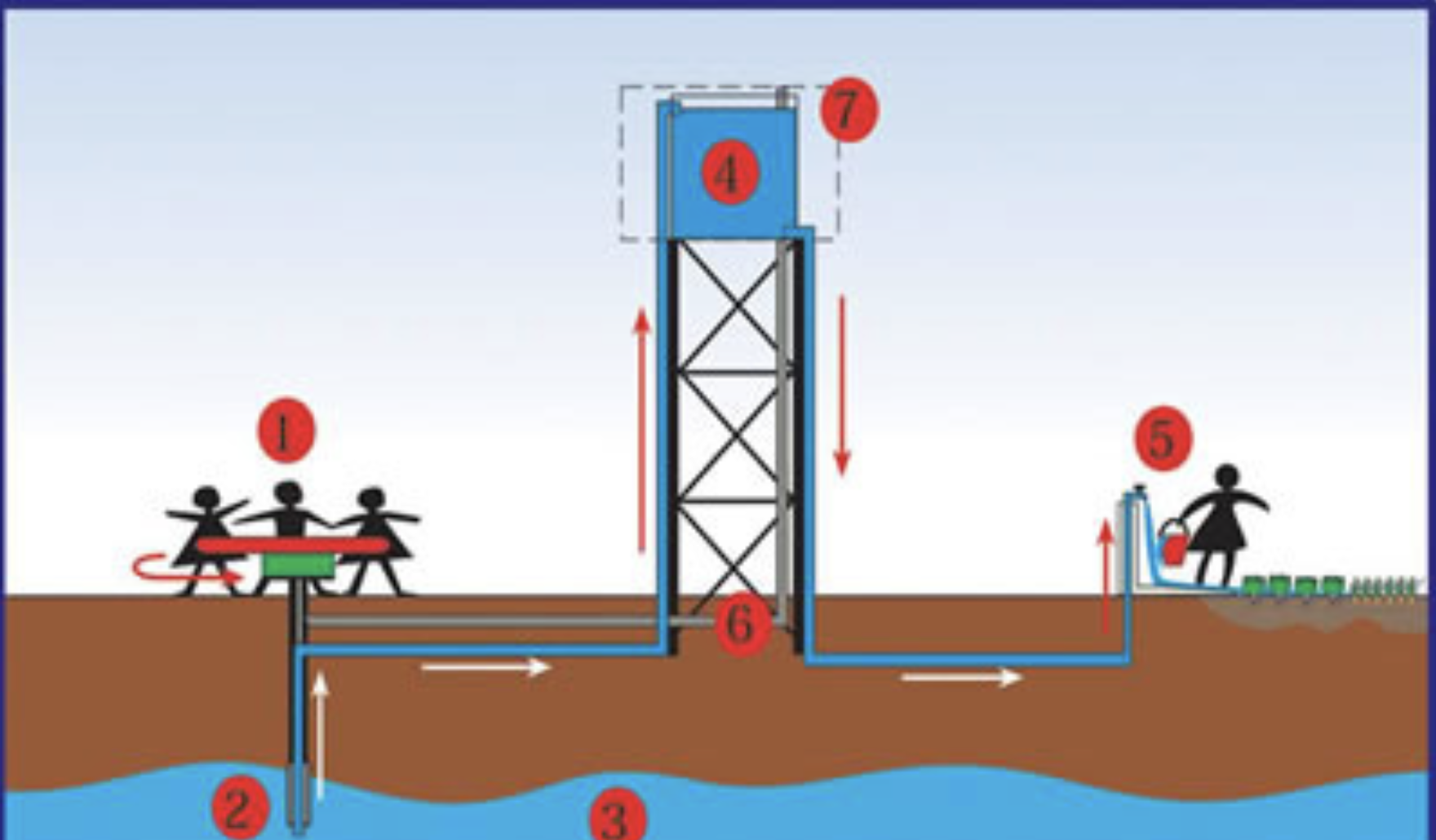
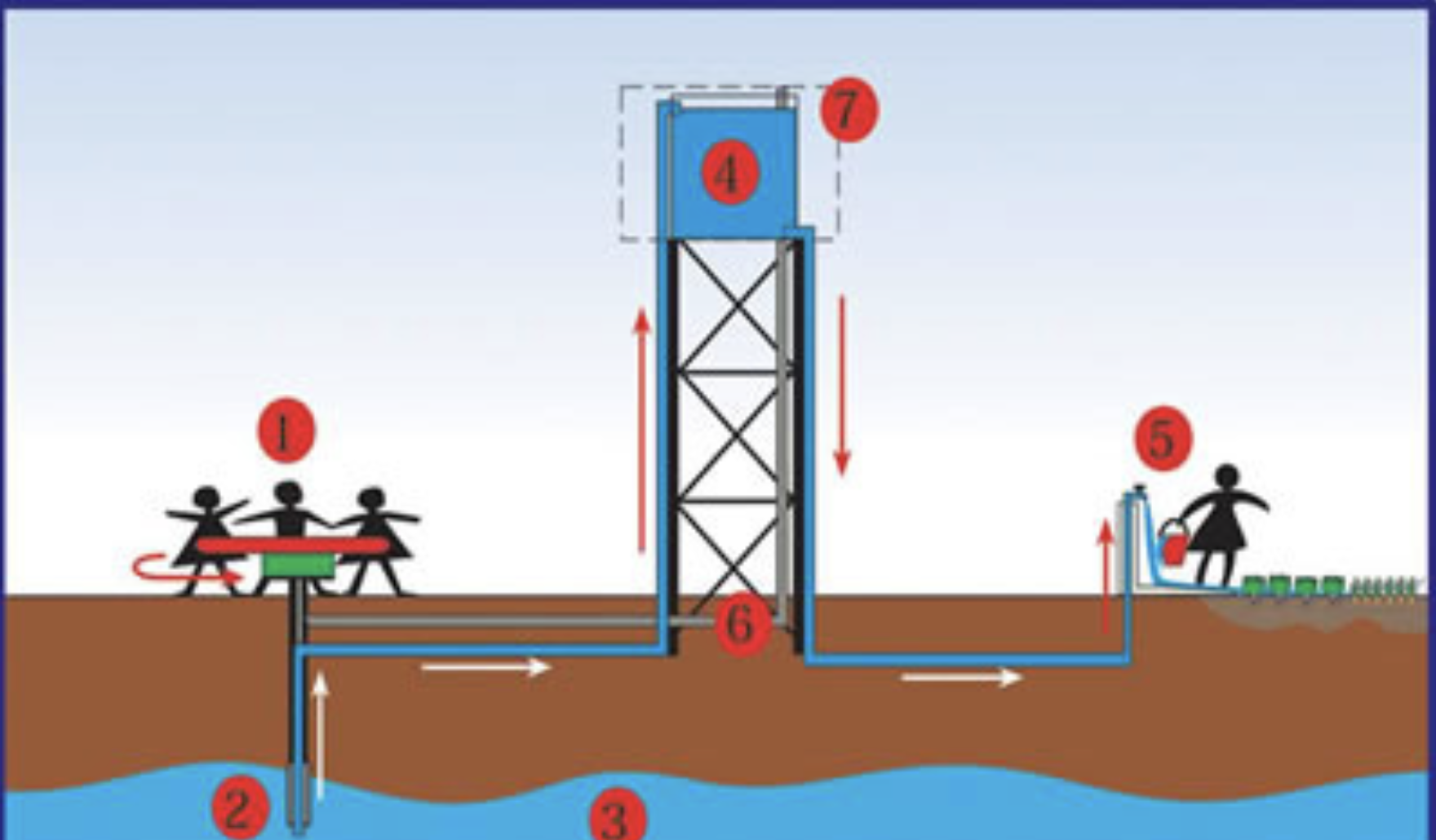
Figure 1: A diagram highlighting the basics of how the PlayPump functions [2].
The design, although new, was based upon the centuries-old idea of converting rotational motion into pumped water. Examples of this technology include Archimedes’ screw, developed around 250 BC, or the Dutch windmills, developed in around 1100 AD, which pumped water from flooded farmland and drained wetlands [3 - 4]. Such a simple, tried-and-true technology seemed destined to succeed in this new setting.
However, by 2010, PlayPump International had lost the support of many major donors, given up on its goal to install 4,000 pumps, and WaterAid, one of the world's biggest water charities, had publicly announced its opposition to PlayPumps [5]. A report by PBS Frontline revealed issues in nearly every location with a PlayPump [6]. In dozens of villages, the PlayPumps simply stood broken and unrepaired, leaving the entire village without access to water. In the villages with still operable PlayPumps, it was found that the amount of water produced by the children playing was not enough to provide for the village’s needs. Sometimes this resulted in adult women taking turns to laboriously turn the merry-go-round that children had grown bored of, and in one village, this led to children being coerced by adults to power the pump for hours on end. Seemingly overnight, PlayPump International went from being the poster child of international development to an infamous, textbook example of humanitarianism gone wrong [1].
So, what went wrong? How did such a well-intended idea turn into such a disaster? In this article, we will consider several design principles we can learn from this failure and help us to prevent such disasters from happening again.
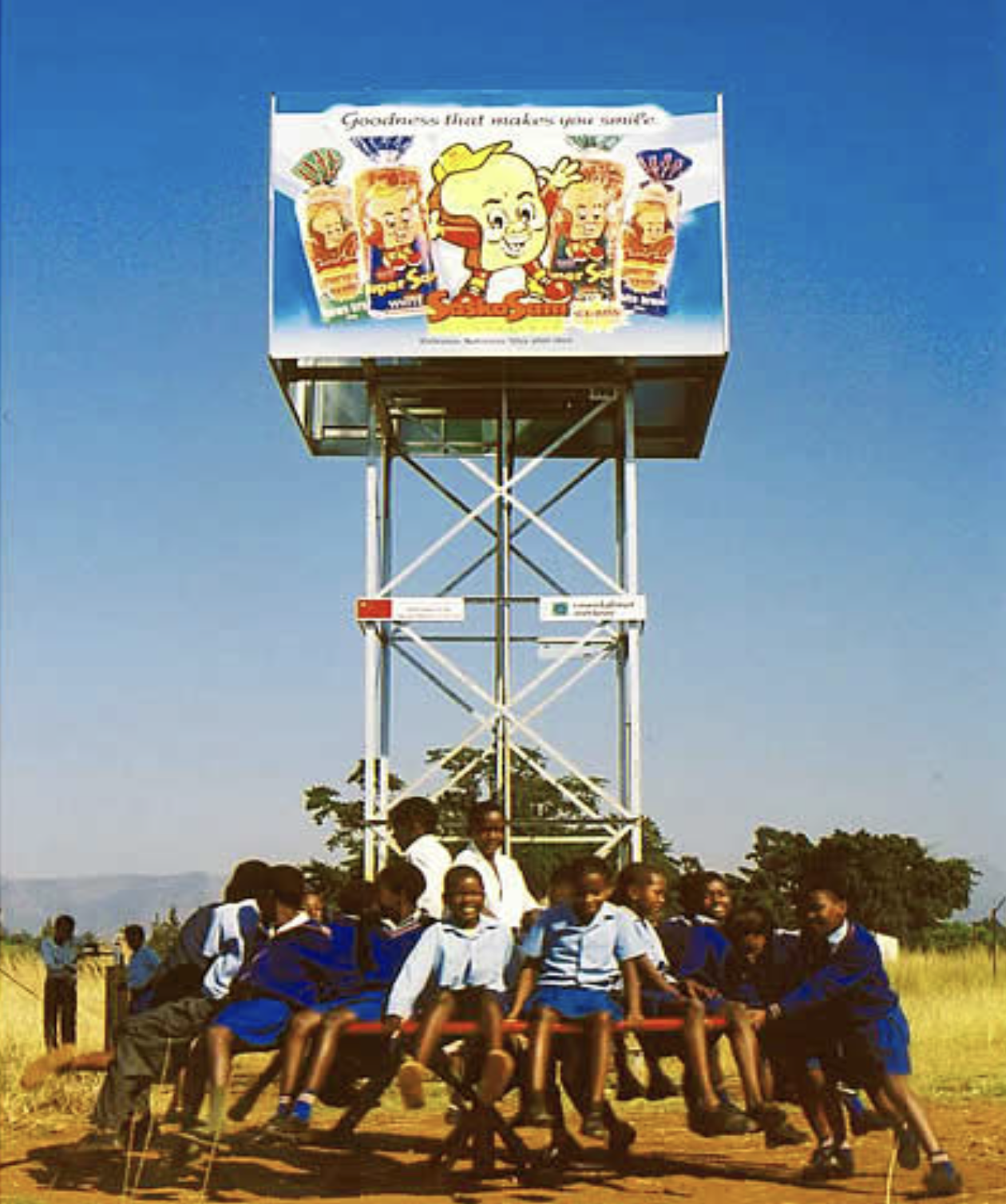
Figure 2: Children in Africa gather around a newly installed PlayPump [2].
Consider How Your Product Can Be Misused
It is pretty self-explanatory that when you design a product, you should consider how it will be used. What is less widely considered but just as vital is how people may misuse your product. In the case of the PlayPump, the intended use of the product was straightforward: children play on the merry-go-round, and the adults collect the water from the pump. However, what the designers failed to consider was how this product could be misused. Imagine how different the design may have been, if they had considered how quickly a machine powered by children could lead to child labor.
It is impossible to foresee every single way that someone could misuse your product, but by dedicating thought and effort to determining the most likely unintended uses, you may not only produce better designs but also find new uses for your product that you had not previously considered.
Clearly Define Your Problem
Another common pitfall that designers fall victim to is a vague or under-defined problem that they are trying to address. This can lead to designs that do not effectively address the real issue and in some cases can actually make the problem worse.
In the case of the PlayPump, the problem they sought to address was lack of water access in rural Africa [6]. When viewed from this surface level perspective, it seems like a machine like the PlayPump that produces water without electricity or fuel would be a great solution to address this problem. However, further research reveals several more facets of the problem that provide vital insight.
For example, consider the fact that of the nearly 400,000 normal handpumps in Africa in 2009, nearly half of them stood abandoned due to lack of maintenance and repair. This suggests that one major aspect of the water access issue in Africa was not lack of pumps, but rather an overabundance of poorly made or difficult-to-repair pumps. The PlayPump, rather than solving this issue, only contributed to the problem by being even more prone to breaking and more difficult to repair than a traditional handpump [5].
Test, Test, Test
The rush of seeing the initial success of a design can be so thrilling that it can be tempting to jump straight to full production rather than spend the necessary time to perform tests, conduct evaluations, and analyze impact. For the PlayPump designers, this thrill was compounded by the millions of dollars flowing in, with donors and governments pressing them to expand production as soon as possible. This meant that before PlayPump International was able to gather any data about long-term effects or test the pump in different locations and environments, hundreds of PlayPumps were installed all across southern Africa. Blind to any possible future outcomes, all of their time, money, and resources were then devoted to a design that would ultimately fail [1]. If the engineers had taken the time to perform proper tests, analyze long-term performance, and measure impact in various settings, perhaps they could have fixed many of the design flaws that ultimately led to the PlayPump’s demise.
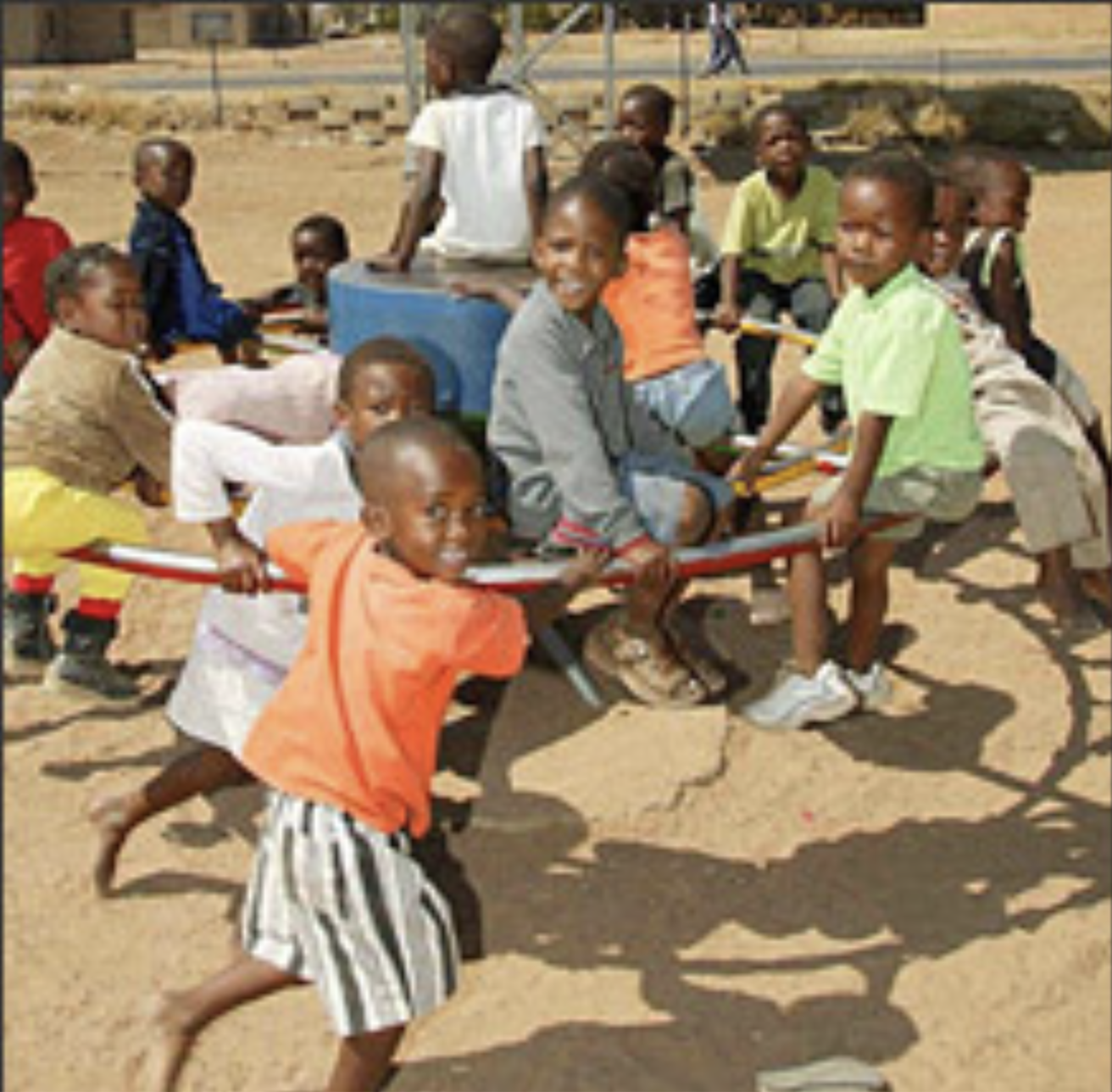
Figure 3: Children play on the PlayPump [6].
Learning from Failure
As it turns out though, the story of the PlayPump does not have an entirely bad ending. Despite the initial catastrophic failure, in recent years PlayPump International has begun to pivot and learn from its mistakes. Equipped with more long-term data and critique from outside experts, the organization still distributes and installs PlayPumps, but now on a limited basis where testing and village approval have demonstrated the pump to be a viable solution. They now operate under the oversight of Water For People, an organization with a long history of providing sustainable and reliable water solutions for rural Africa [7]. On this new path forward, hopefully the PlayPump can make a positive difference in the communities that truly need it.
Final Thoughts
Have you ever come up with a new idea you got so excited about that you inadvertently overlooked its fundamental flaws? The PlayPump designers fell victim to this too. They took something pretty boring (a water pump), added novelty (a merry-go-round), and suddenly they had something that seemed so new and cool that they were blinded to any possible issues. There is not anything inherently wrong with novelty and certainly not with getting excited about a new idea, but as engineers we need to make sure that we engage in the critical thinking necessary to reveal, and hopefully solve, any issues with a design. By considering possible misuses, clearly defining the problem, and performing rigorous tests, engineers can produce more influential designs and solve global problems.
References
[1] “Stop Trying to Save the World”, Michael Hobbes, https://newrepublic.com/article/120178/problem-international-development-and-plan-fix-it
[2] “The PlayPump: What Went Wrong?”, Daniel Stellar, https://news.climate.columbia.edu/2010/07/01/the-playpump-what-went-wrong/
[3] “Archimedes screw”, Britannica, https://www.britannica.com/technology/Archimedes-screw
[4] “Windmill”, Britannica, https://www.britannica.com/technology/windmill
[5] “Africa's not-so-magic roundabout”, Andrew Chambers, https://www.theguardian.com/commentisfree/2009/nov/24/africa-charity-water-pumps-roundabouts
[6] “Troubled Water”, Amy Costello, https://www.pbs.org/frontlineworld/stories/southernafrica904/credits.html
[7] “PlayPumps and Further Transition”, MIT, https://web.mit.edu/llbjr/Public/www/mods/TechAnthro_PlayPump2_FurtherTransition.html
To cite this article:
Jenkins, Caleb. “The PlayPump: Lessons Learned from a Design Failure .” The BYU Design Review, 8 April 2026, https://www.designreview.byu.edu/collections/the-playpump-lessons-learned-from-a-design-failure.