Book Review: Thinking, Fast and Slow
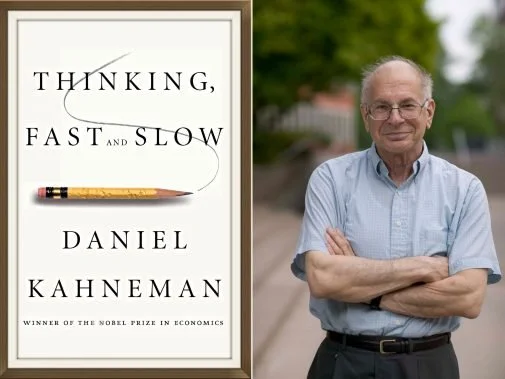
Thinking, Fast and Slow by Daniel Kahneman is a detailed case study of the differences in performance between the conscious and subconscious. His thesis is that the subconscious performs extraordinarily well in areas of expertise but makes poor judgements in areas of less familiarity. In making decisions or judgements with serious ramifications, it is important to consciously review the topic rather than trusting a snap subconscious idea.
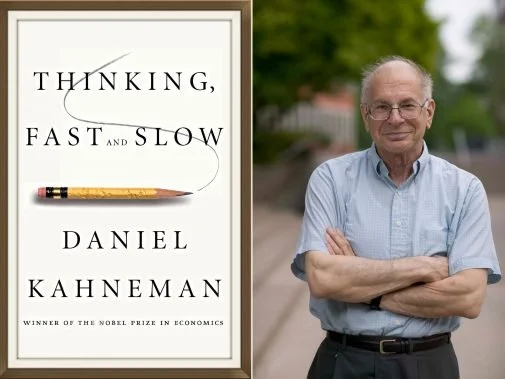
Figure 1: Daniel Kahneman and his book [1].
The Design Environment
Although Kahneman’s book primarily touches psychology, his research has also significantly impacted engineering design processes [1]. In the text, Kahneman unveils how the situation that surrounds the design process impinges on the process, subtly shaping how we think and consider [2]. To keep a design process on track and progressing towards its goal, team design is instrumental. “Organizations are better than individuals when it comes to avoiding errors,” writes Kahneman, “because they naturally think more slowly and have the power to impose orderly procedures” [3]. Hence, an organized design process, facilitated by an organized team, decreases the errors made - and those errors may include anything from incorrect calculations, ineffective iteration cycles, or overlooked design criteria.
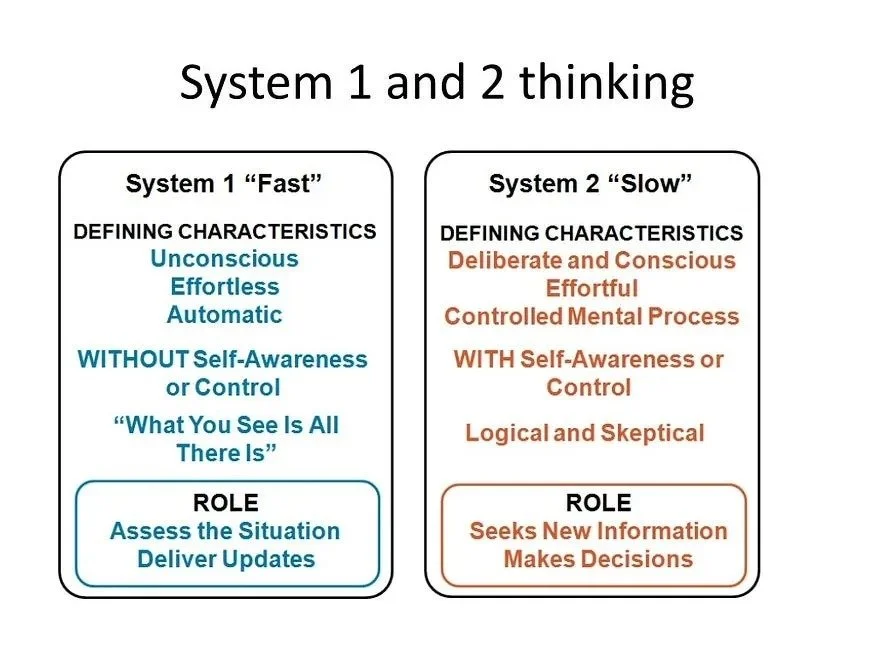
Figure 2: Several of the distinguishing factors between our two primary modes of thinking [4].
Two Modes of Thought
The bulk of Kahneman’s book rests on the contrast between our two primary modes of thought: the impulsive, subconscious, quick-reaction thinking process (process #1) and the considerate, conscious, methodical thinking process (process #2). We make better decisions when we weigh multiple factors, though this requires more mental work [5]. It also requires an ability to detach from our intuition, in which we are commonly overconfident. Kahneman explained that “Overconfidence is fed by the illusory certainty of hindsight” [6]. While designers should consider the success of the past, they must be wary of prioritizing the past over the potentiality of the future. It is also critical to recognize the extent of one’s expertise. Outside of one’s field, intuitive impressions are often misleading [7]. Therefore, when designing, one should be wary of the pull of the past on present decisions and ensure that one is wary of design premonitions outside of one’s expertise.
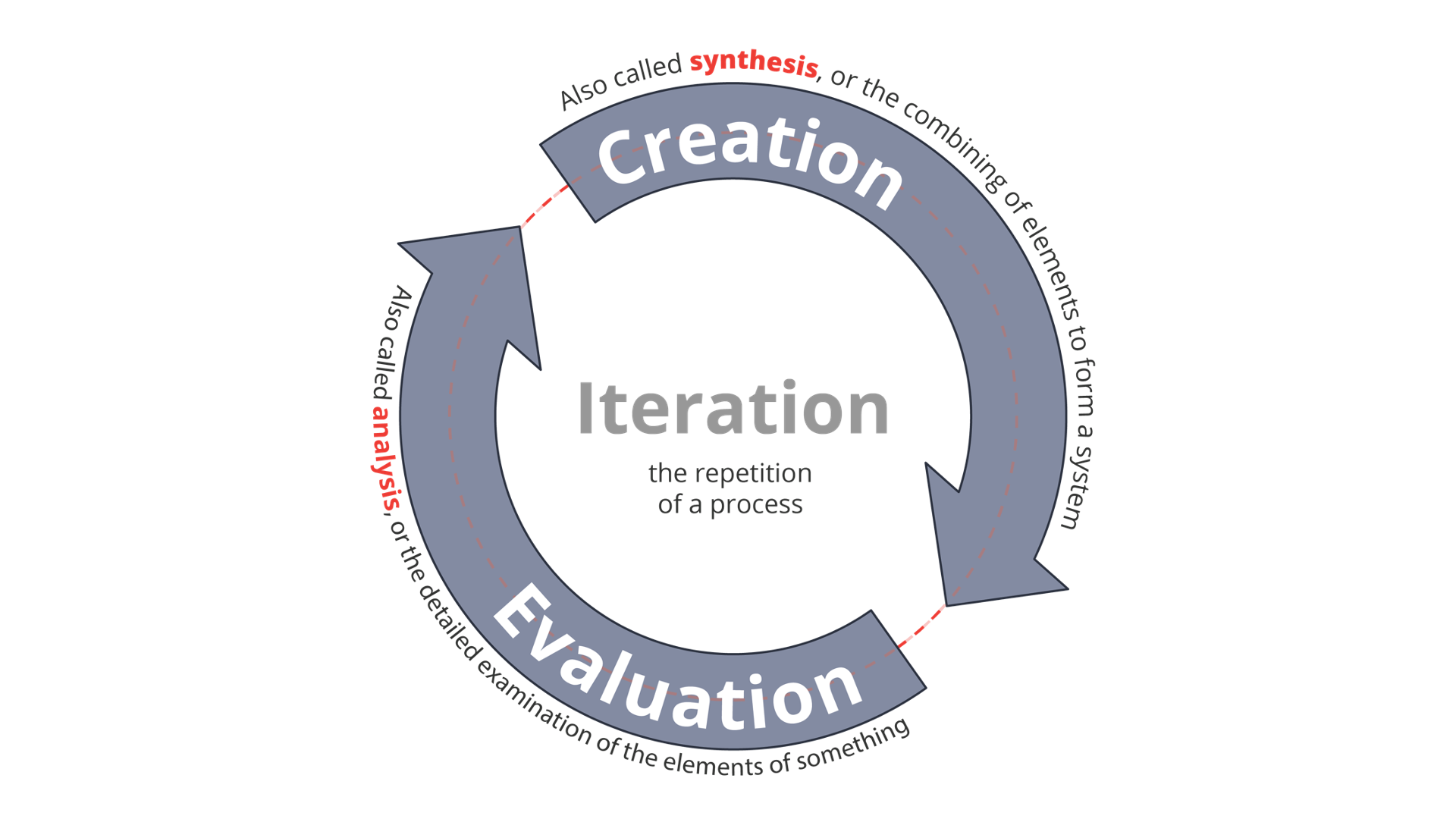
In practical terms, process #1 is effective in initial product development. It catalyzes ideation and brainstorming, generating intuitive ideas that are not completely thought through but that are fresh and original. This is also common in low-fidelity prototyping and sketching. Meanwhile, process #2 is effective risk assessment and analysis tasks. Using objective approaches, it can consider a design from a variety of viewpoints and systematically unveil its weaknesses and strengths without compromising on accuracy.
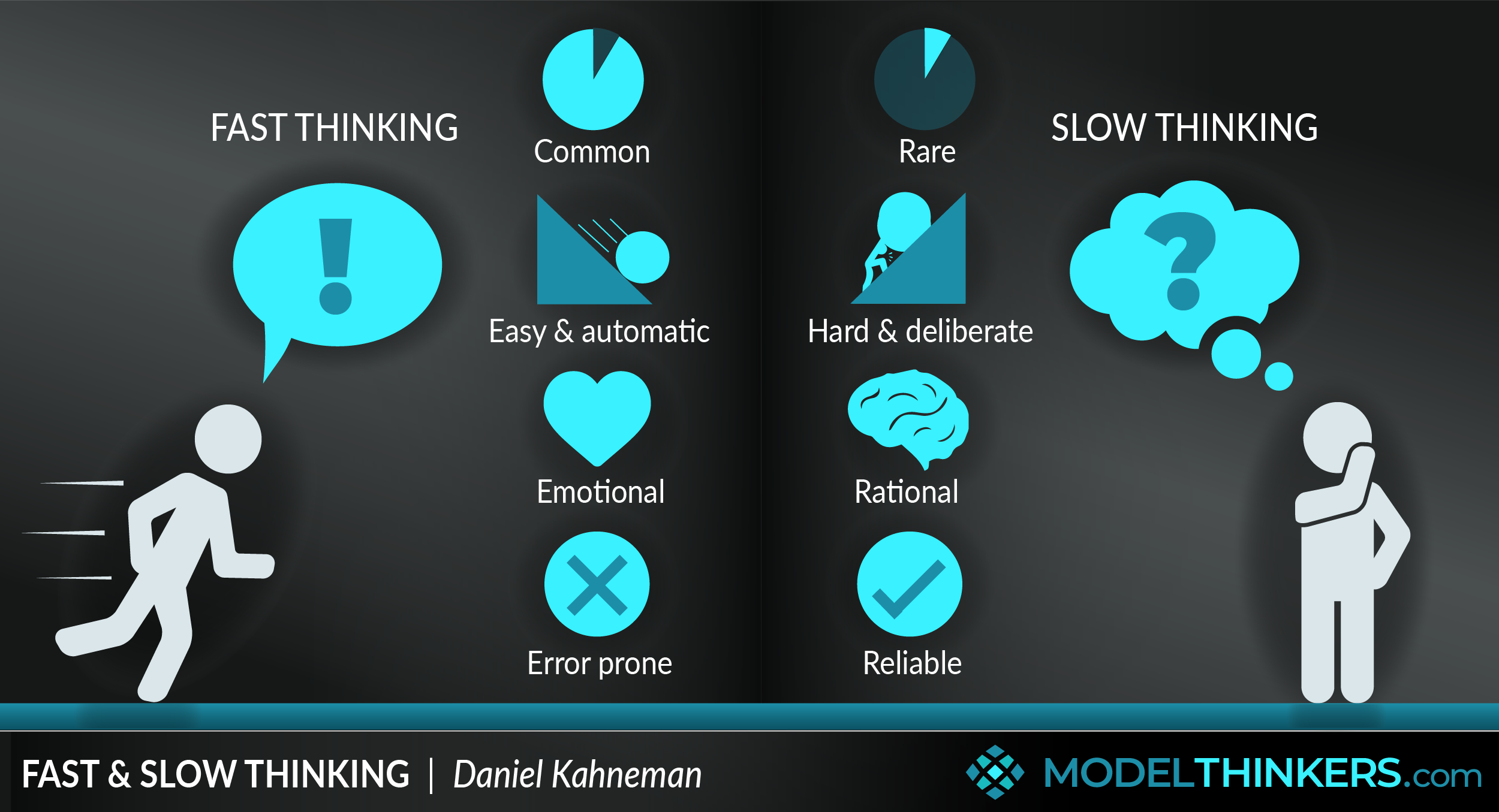
Figure 3: More contrast between the two primary modes of thinking [7].
Pattern Recognition
Becoming aware of our bimodal thinking heightens our ability to use them more effectively. Recognizing our cognitive biases - a characteristic of fast, subconscious thinking - helps improve our decision making, as it supplants our arbitrary preferences with objective choices that are often more efficient and effective [4]. Curiously, we are somewhat slow to embrace objectivity, as the patterns that determine objectivity can feel impersonal. “The aversion to algorithms making decisions that affect humans,” says Kahneman, “is rooted in the strong preference that many people have for the natural over the synthetic or artificial. ...The prejudice against algorithms is magnified when the decisions are consequential” [8]. The distaste of rhythmic processes leads us to focus on the emotional and historical; this is especially pertinent in the age of AI. When a design feels “right” or “easy” to a designer, Kahneman argues it might just be because it is familiar, not because it is good.
Good designers, then, know how to modulate the variation between organic and algorithmic design. While design requires algorithmic processes, such as iteration, problem identification, visual thinking, and other design philosophies, the best designs are often breathtakingly original - such as demonstrated in the fascinating tale of Silly Putty.
The most effective design systems balance the tendencies of our thinking modes, capitalizing on our intuitive emotional responses and carefully considering the intellectual reality. These design processes acknowledge the situational and environmental factors in the design while making use of patterns that facilitate brainstorming and product development. In the end, such an approach offers a more holistic design experience that can create solutions specialized for the problem at hand.
References
[1] “Think Fast and Slow: Daniel Kahneman.” Westmont College, www.westmont.edu/westmont-news/think-fast-slow-daniel-kahneman. Accessed 19 Jan. 2026.
[2] Holt, Jim. “Thinking, Fast and Slow by Daniel Kahneman – Review.” The Guardian, 13 Dec. 2011, www.theguardian.com/books/2011/dec/13/thinking-fast-slow-daniel-kahneman.
[3] Kahneman, Daniel. Thinking, Fast and Slow. Farrar, Straus and Giroux, 2011, pp. 417-18.
[4] “What I Learned from Thinking, Fast and Slow.” Medium, Machine Learning Made Simple, 2020, machine-learning-made-simple.medium.com/what-i-learned-from-thinking-fast-and-slow-2adb4b952859.
[5] “Thinking, Fast and Slow Book Summary and Review.” Business Insider, 2022, www.businessinsider.com/guides/learning/thinking-fast-and-slow-book-summary-review.
[6] Kahneman, Daniel. Thinking, Fast and Slow. Farrar, Straus and Giroux, 2011, p. 14.
[7] “Fast and Slow Thinking.” ModelThinkers, modelthinkers.com/mental-model/fast-and-slow-thinking. Accessed 19 Jan. 2026.
[8] Kahneman, Daniel. Thinking, Fast and Slow. Farrar, Straus and Giroux, 2011, pp. 228-29.
To cite this article:
Conover, Dylan. “Book Review: Thinking, Fast and Slow.” The BYU Design Review, 19 January 2026, https://www.designreview.byu.edu/collections/exploring-the-design-of-everyday-things.