
A Christmas Story: Good Design Features in Christmas Movies
You may or may not be a cinephile - someone who loves movies, but most of us have seen a movie or two (or maybe hundreds) and probably know what we like.
We also probably have seen some good films and some bad films. Movies are indeed designed products, designed to meet the needs of customers (generally entertainment needs), and hopefully generate some profit for the designers: in this case, the production company.
Since good products need good features to be desirable, good movies need good features too. Christmas movies are no exception.
The movie A Christmas Story is one of those classics that everyone should watch at least once in their life. It has many of the ingredients of a great Christmas movie but also a great movie in general.
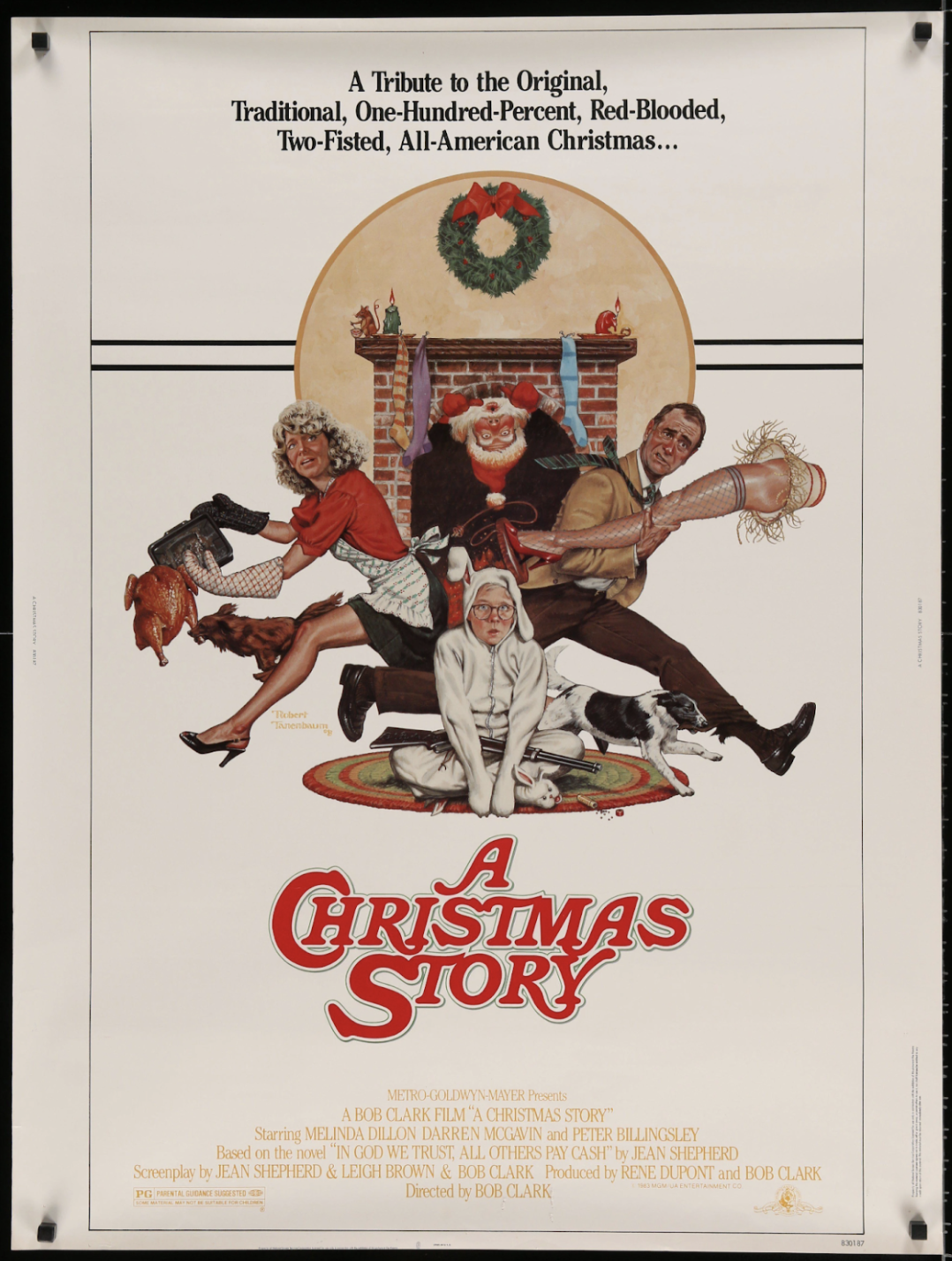
Figure 1: The movie poster of A Christmas Story.
Below are five areas or features that make A Christmas Story a well designed product and entertaining movie, as well as some lessons for us to take on as we design our own products.
The first is that A Christmas Story is based on real events. Jean Shepherd, the narrator throughout the film, and the author of the book upon which the events in the movie are based, really did experience some of those moments. Autobiographical (or even semi-autobiographical) books and movies make connections to real people that the fantasy and science fiction genres cannot always make. There is a credibility that connects viewers or readers to real people having the human experience. This connection and implied empathy in our own designs can turn a good product into a great one. Humans truly are social animals, and products that better connect the designer to the customer are often more successful.
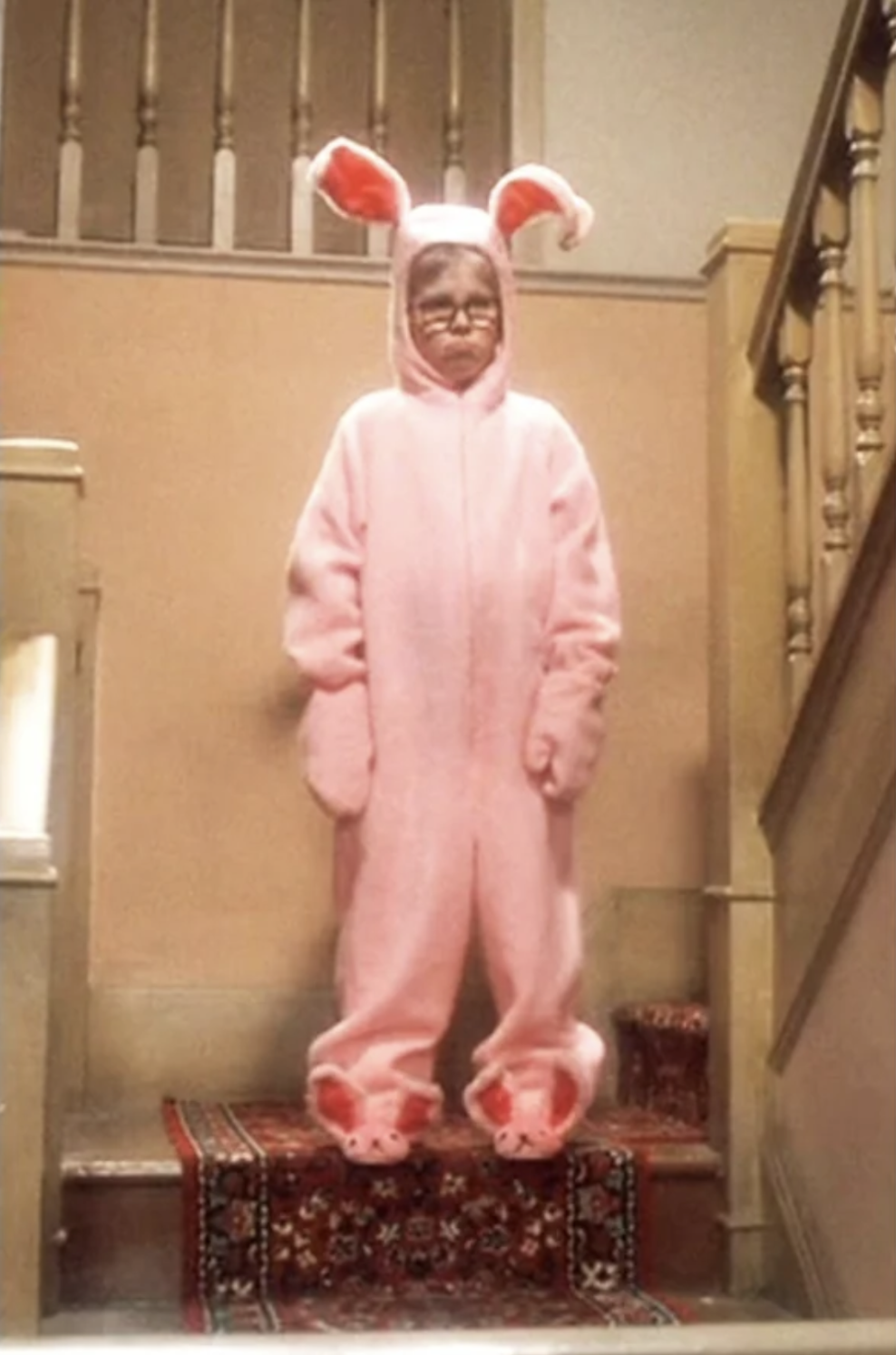
Figure 2: Ralphie in his bunny suit.
This may be why ergonomics and other human-centric attributes of designs are important. We want, even subconsciously, to have a human behind the scenes designing our products for us. A recent data point that underscores this phenomenon is the recent push back against AI generated material, sometimes called “AI slop” if it is particularly egregious to the human eye.
Second, in one scene (the movie is 40 years old, but here is your one spoiler warning in case you haven’t seen it yet), a boy is dared to put his tongue on a frozen flag pole and he gets his tongue stuck to it. The scene is outrageously funny and reminiscent of the “triple dog dares” that some of us had to accept if we were to save face and be seen as brave, out on the playground during elementary school. Most of us probably had friends (or even school enemies) who challenged us in some way to do something scary. The producers could not risk physical harm to a young actor, so they cleverly drilled a hole into the outer plastic covering of the real pole which they connected to a vacuum tube that sucked the air from the outside. When the boy places his tongue against the hole, it looks like his tongue instantly freezes to the pole. This practical effect looks surprisingly real. The suction hole is just barely out of camera view and the editing and actors’ responses are phenomenal. It is a super simple and clever trick but very effective.
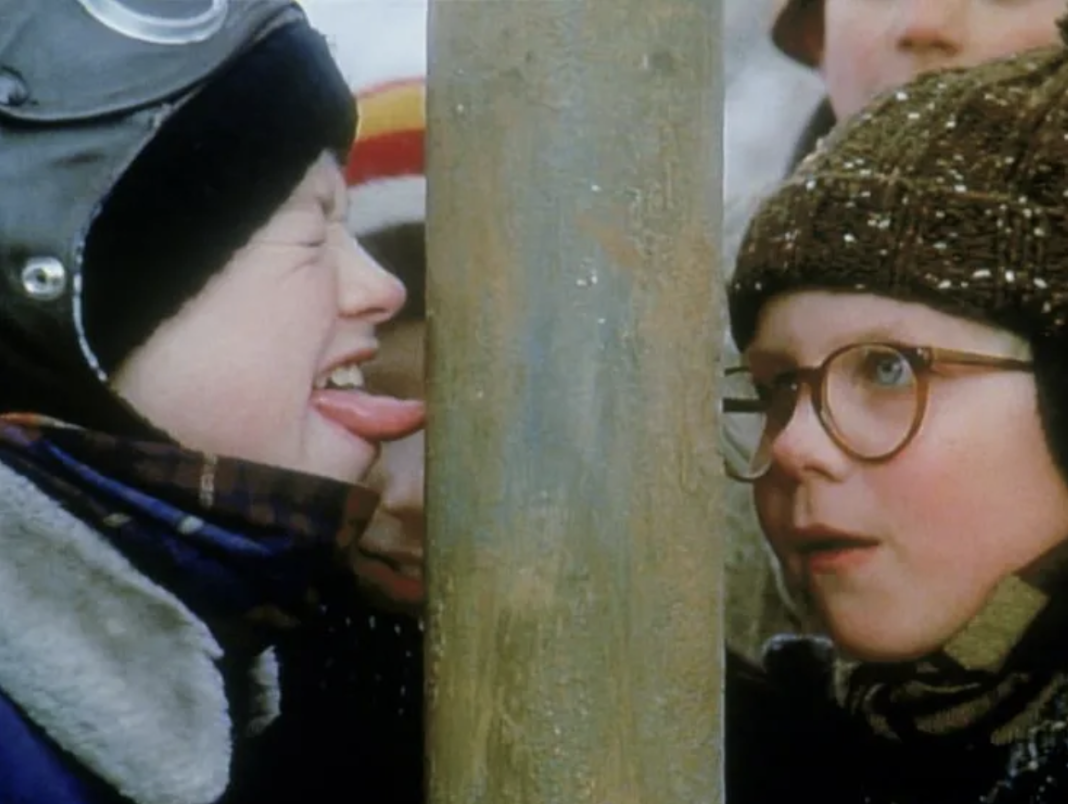
Figure 3: Ralphie and his friends around the frozen pole.
Similar to the previous lesson, we seem to like practical effects in movies more than computer generated ones. This might change in the future as we become accustomed to AI generated material, but for now, many of us still appreciate the inclusion of lots of practical props and effort that go into epic movies like Star Wars, The Lord of the Rings, and many of Christopher Nolan’s films. Our own products can likewise be practical, simple, and clever. The KISS or “keep it simple, stupid” principle might be becoming increasingly underused to our own detriment. More often than not the simplest and most straightforward solution is not only the cheapest but also the best.
Third, and speaking of props, the “leg lamp” is a hilarious moment in the story and the source of some great scenes. It may be the most iconic symbol of the entire movie (with the flag pole being a close contender). When people refer to A Christmas Story, this lamp is one image that often pops up in their minds. (I have a good friend that bought one himself and displays it in his front living room each December).

Figure 4: The infamous leg lamp.
Most movies will have that one moment or scene that people will blast around on social media and the producers will include on all the movie posters. They seek instant recognition of their product and will take great effort to make sure it is clear who they are and what their movie is about. Of course, branding is not everything, but it certainly is a large part of good design in terms of desirability. Even a product that is subpar, but has the symbol that communicates to the world that it is fashionable and “with the in-crowd” is compelling. This is why many of us think quality when we see an apple symbol with a bite out of it or the Nike swoosh. Both of those companies have had good and bad products, but the logo, symbol, and iconography is still very powerful. Our own products, if possible, should have that element of uniqueness and symbology.
Fourth, “A Christmas Movie” was not always the cultural hit that it is today. It took more than a decade before watching it started becoming a tradition that many families enjoy each December. Each of us probably have one or two movies that we really like but no one else seems to enjoy. We think it will eventually catch on. Sometimes it does and sometimes it does not. Some movies are “ahead of their time” and only later do we appreciate the genius of the actors, directors, or writers.
One possible lesson is that products often take time to be embraced by the audience or by customers. We all are somewhat opposed to change since that necessitates getting out of our comfort zones. Sticking close to the familiar is, well, comfortable. But at the same time, in our heart of hearts, we know that life only gets better if there is real change. If our products are not pushing to advance or improve the user experience in some way or make it cheaper, better, or faster, we really are not contributing. Furthermore, even if our products do these things, it may take some time for someone to adopt it. Often designers have to learn patience and then apply patience. While we are waiting for the world to notice our contributions we should not sit idly by but keep working, improving, and pushing. The first iteration may not be our best anyway.
Fifth, A Christmas Story is different from most other Christmas movies. It is more of a memoir of short, mini stories than a longer story with major character arcs. Although the protagonist has one major goal, to acquire a Red Ryder BB gun, all the other short episodes have a poignant comedic moment that anyone who lived through childhood can appreciate. In that sense, the nostalgia works perfectly in this movie. The quirky quotes, over-the-top social interactions with bullies, and exaggerated memories regarding parental punishment, Santa Claus, and school all fit together nicely that any age and any generation can enjoy. In that sense, it is timeless.
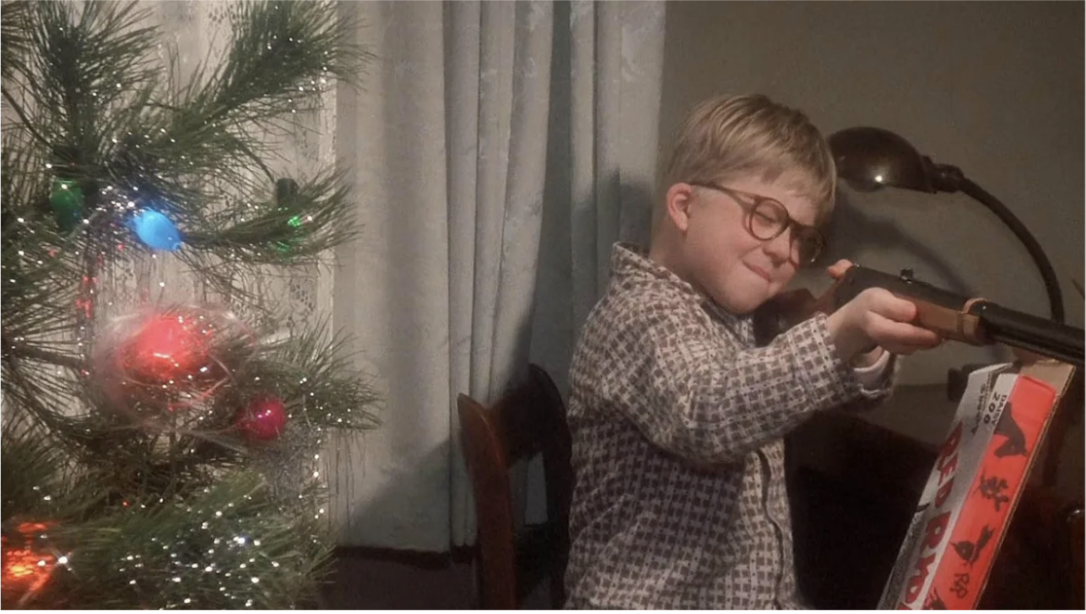
Figure 5: Ralphie with his Red Ryder BB gun .
The takeaway here is that even though we all like new and nice things, there is something about the ancient, the old, and the almost-forgotten that remains intriguing. Interestingly, LPs, flip phones, cassette tapes, manual transmissions, physical books, and polaroid-style cameras all have experienced a resurgence of interest in recent years. In our own projects, we can capitalize on this innate human attribute. We do not have to stay in the past forever, but we can always include elements in our designs that hearken back to a simpler, or at least earlier, time. Indeed, since enough of us are interested in drinking from that proverbial fountain of youth, at minimum we can grant users a taste of their past through good design choices in our modern designs.
In conclusion, A Christmas Story is a great movie but also a great lesson in good design if you seek it. If you have never seen it, I commend you to give it a try this holiday season and look for additional, good design features in this fantastic movie. At worst, you will be richly entertained, and at best you will become a better designer.
To cite this article:
Salmon, John. “A Christmas Story: Good Design Features in Christmas Movies.” The BYU Design Review, 3 December 2025, https://www.designreview.byu.edu/collections/a-christmas-story-good-design.


