Good Zipper Design
Zippers are often the primary method by which we interact with bags, articles of clothing, and other items. When the correct zipper is chosen in product design, the user has an improved experience with the product. On the other hand, if it is not an effective zipper, it can cause much friction in the use of the given product.
There are a variety of considerations when it comes to having good zipper design within a product. Zippers can have varying materials, direction, sizing and tooth types that should be taken into account if a zipper choice is being evaluated for a project [1, 2]. This will be a discussion of how the design choices with regards to the zipper can influence the overall quality of the interaction that a user has with a given product, and will include a review of zippers in jackets, tents, and backpacks.
Good Zipper Design in Jackets
Full-length zippers on the fronts of jackets allow for the jacket to be secured around a user's body for comfort, fit, temperature control, or protection from the elements. The first point of focus for jacket zippers is the stopper that is placed at the bottom of the jacket. This prevents the zipper from sliding right off the track when it gets to the end while still allowing the two halves of the zipper to be separated when you put on or take off your jacket.
Some rain jackets include water resistant zippers to prevent the wearer from getting wet. This often means that the teeth are linked together tightly to prevent water from seeping through. It also includes using special polymer tapes to attach the zippers to the fabric without using thread that requires making needle holes, which would allow water to enter [3]. The choice to use a water resistant zipper is dependent on the purpose of the jacket as well as if it is worth the cost compared to the overall price point for the jacket. More effective water resistant zippers can often require more force when zipping and unzipping them, which is necessary for the tight seam that the zipper creates.
Another important point with the use of jackets is lining up the teeth on each side of the zipper to zip up after it has been unzipped. This can require very fine dexterity, which is why young children often need help with this task. A possible, lesser known design alternative created by ANKGHEAR involves using magnets to align the bottom of the zipper [4]. This company illustrates how even something as simple as zippers can have new designs.

Figure 1. Image of a ANKHGEAR zipper that uses magnets to assist the user in aligning the bottom ends of the zipper [5].
Good Zipper Design in Tents
One of the longest zippers that people regularly use are on tents. Trouble can often arise with these zippers though, because, in an effort to make a tent as light as possible, lighter and often less durable zippers are used. It is easy for a person who is in a rush or careless to break or misalign the zippers on a tent door. This can result in tents that may otherwise be in overall good condition to seem broken because of the failure of the zipper. This can be remedied with tent designs that keep the fabric taught, making it easier for the zipper to be used one handed and smoothly.
Zippers on tents are unique because when used as the door on a tent, they need to be operated from both sides, similar to how a door needs a door knob on both sides. A tent without a double sided zipper is much more difficult to zip up from the side where there is not easy access to the zipper.

Figure 2. Example of a double sided zipper being part of the door of a tent [6].
Good Zipper Design in Backpacks
Zippers allow for clearly separated compartments within backpacks and easy storage. Good zipper placement allows for easy access and storage for a variety of items. Problems can arise, though, when the placement of the zipper causes the teeth of the zipper to come apart when the backpack is loaded with a heavy load. It is a good design when it comes to easy interaction with the zipper, but a poor design because it causes great stress in using the product. This can be corrected by reorienting the zipper on the backpack, placing a stronger zipper, using buckles to support the zipper or opting for a different option to close up the bag such as a draw string.
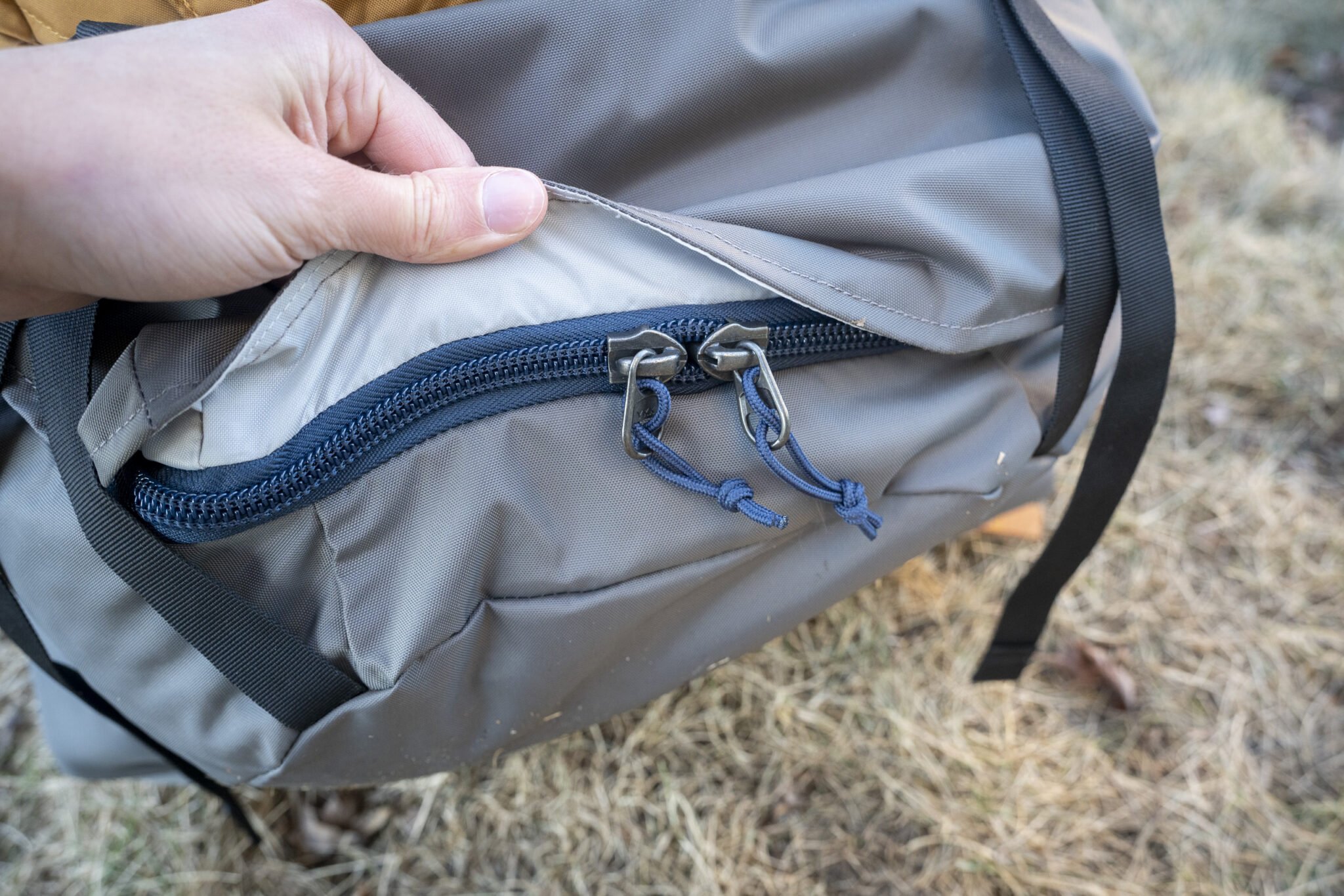
Figure 3. Example of a sturdier zipper that might need to be used on a backpack [7].
Now to zip it all up….
Zippers are a common part of everyday life. When the design of a product effectively uses the zipper, it is a smooth interaction that the user barely notices, but poor design can cause great difficulty and discomfort to the user. This is by no means an exhaustive article of zipper design, but I hope it has sparked an interest in you, inviting you to pay closer attention to good zipper design that you see in products you use in your everyday life.
References
[1] Aktürk, Nisan. “Zipper 101: Different Types of Zippers, Parts, & Sliders.” Threads Monthly, 9 Jan. 2023, threadsmonthly.com/zipper-types/.
[2] “Guide to Zipper Types.” WAWAK Sewing Blog, WAWAK Sewing Supplies, 11 Oct. 2023, blog.wawak.com/post/guide-to-zipper-types.
[3] “About Waterproof Zippers.” Kinzip, kinzip.com/about-waterproof-zippers/.
[4] “ANKHGEAR.” ANKHGEAR, ankhgear.com/.
[5] ANKHGEAR. . ANKHGEAR, ankhgear.com/cdn/shop/products/1.jpg?v=1758412667&width=5000.
[6] Shutterstock. Amazon, m.media-amazon.com/images/I/71pBR7Ox2wL.AC_SL1500.jpg.
[7] CleverHiker, cleverhiker.com/backpacking/rei-trailmade-60-backpack-review/.
To cite this article:
Smith, Eli. “Good Zipper Design.” The BYU Design Review, 17 November 2025, https://www.designreview.byu.edu/collections/good-zipper-design.