Seniors in engineering around the country are about to start their capstone experience. For many of them it will be the biggest project they have ever undertaken. As a previous capstone student and coach here are some tips to help you be successful.

Seniors in engineering around the country are about to start their capstone experience. For many of them it will be the biggest project they have ever undertaken. As a previous capstone student and coach here are some tips to help you be successful.
Have you ever zoomed in on an image and it was so pixelated you couldn’t read or understand anything? Have you ever had an email get stuck behind a filter because your figures or images were too big in terms of file size? If any of that sounds familiar, you might be using the wrong kind of images or figures.
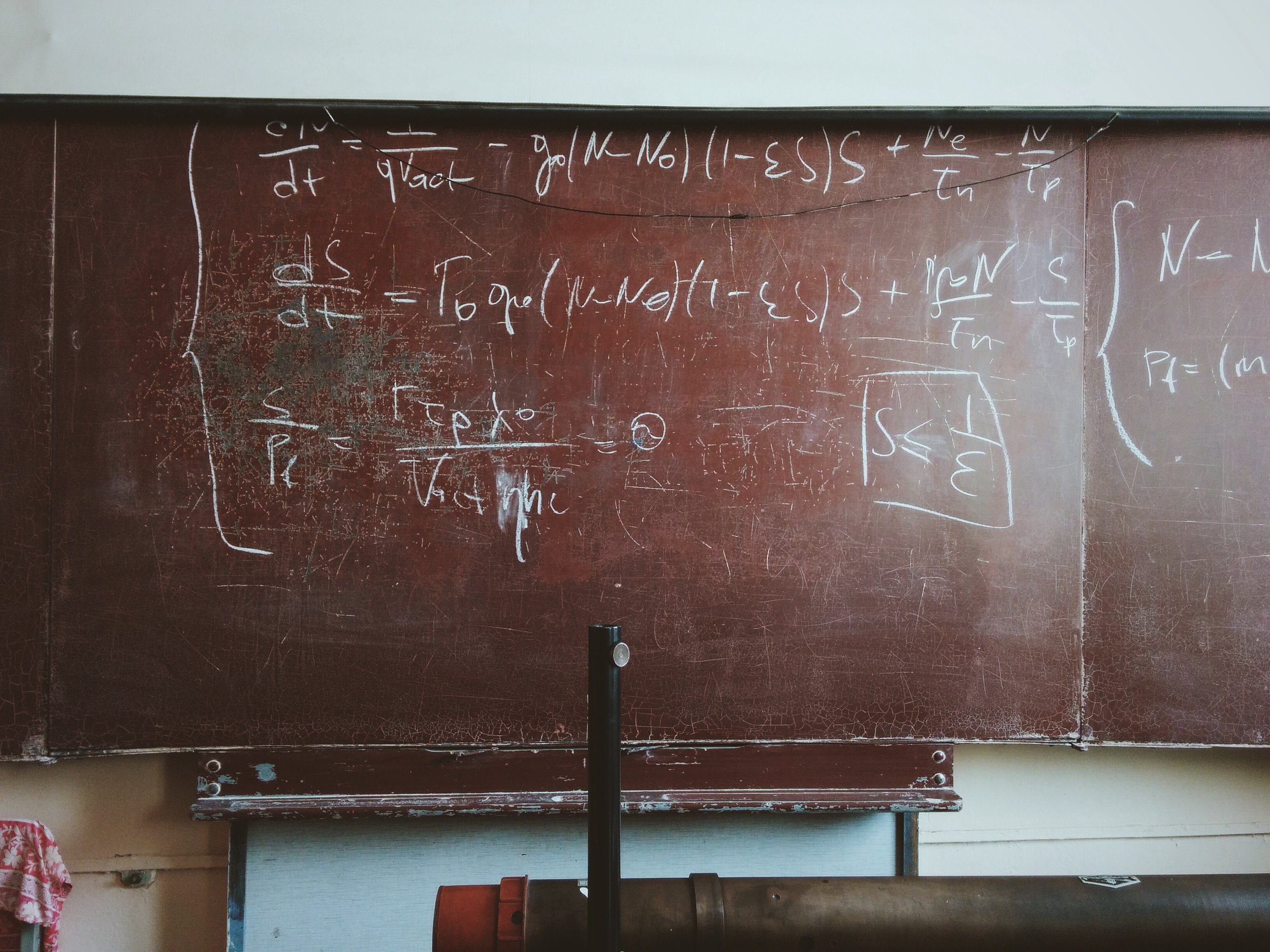
The new school year is right around the corner. Succeeding in engineering coursework is no easy feat. Here’s some articles to make it a little easier for you.
Ever think about design while brushing your teeth? There is a lesson or two, during the minute or two, we use a tool in our mouth daily.
Many of you are headed back to school and are about to be put in an environment that will challenge your knowledge, expose your weaknesses, and encourage you to build new strength. I hope this personal story about my relationship with math will encourage you to turn fear into growth.
I observed that the general degradation of classes once they shifted online was common to many students, for reasons such as the added complexity of interacting over video calls, reduction of interpersonal interactions (including non-verbal), and the dehumanization of the class community into floating profile images.
Metaphors, similes, parallels, allegories, symbols, and, of course, analogies are some of the tools designers, engineers, and scientists often use to communicate, discover, and develop their trade. Johannes Kepler was one of the foremost scientists to apply analogies to discover the design of our solar system. We should follow his example in our efforts.
If you think your design will be “right/good/complete/perfect” after just one cycle of creation, you’ll be disappointed and frustrated. It won’t be right, it probably won’t even be good. If you accept that iteration is a normal, healthy, and expected part of the design process, your love for, and competency in, designing things will skyrocket.
Never heard of the data-to-not-data ratio in figures? It’s a good thing to know and consider. This is one article in a series of techniques and practices for designing good figures and visualizations.
The ability to create, and to become better at creating, is implicit in the nature of the brain’s neural network. As one approaches the peak of efficient work and cerebral focus, creativity becomes a self-sustaining process: the flow of ideas morphs into a rapid current that carries the creator and maximizes both the pace of the work and the enjoyment that comes with it. We all seek to innovate in such a way, but how do we achieve this level of creation on a regular basis?
Everyone needs collaborators to be successful in design, engineering, and life! Even the lone artist, scientist, and author eventually need collaborators to critique, distribute, buy, or share their work, regardless of how many hours are spent in isolation. Find out what Tom Kelley shares about being a Collaborator - the fifth face of innovation.
Is nuclear power a dying option for our energy needs? Will this technology be completely abandoned in the near-term? Dr. Munro’s answer is exciting: The future is promising for nuclear power with new investments, new reactor designs, and new allies.
When I was an engineering student I took three CAD classes, mostly because they were fun. When I was the director of engineering at ATL, CAD was at the center of all our detailed design work. It was indispensable to our engineering. When I became a professor, however, my appreciation for CAD slowly and unconsciously faded. Luckily, a new university assignment has put CAD back on my radar and my appreciation for it is greater than ever.
As someone who loves design of all kinds, it can be easy to get carried away and lose track of where I, as a mechanical engineer, fit in the design world. For me it is important to understand what makes mechanical design different than any other kind of design. Understanding this puts me in a better position to know how my specific training and design decisions can affect the world.
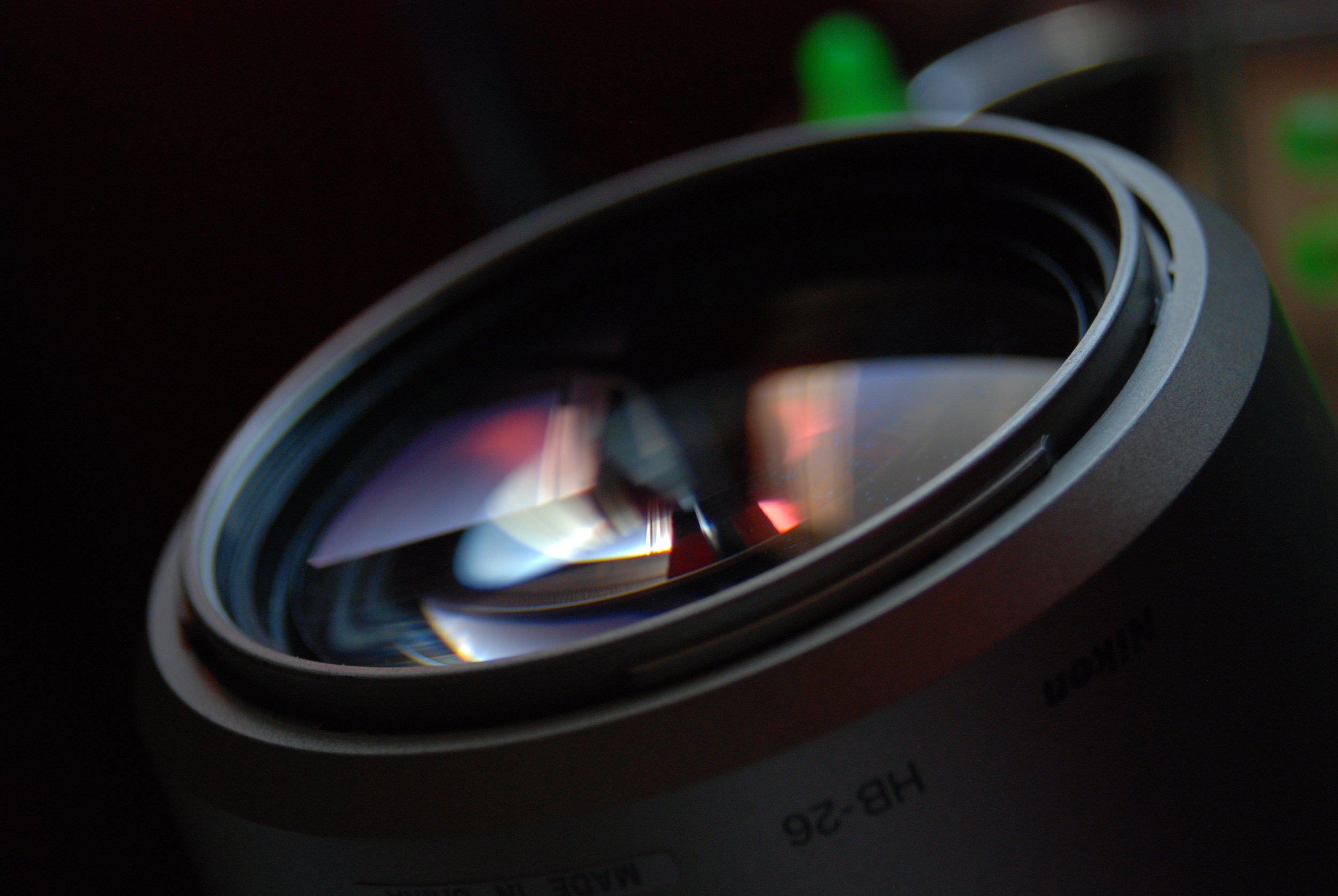
Lenses are useful to focus and bend light. In design, metaphorical lenses can likewise focus our attention and bend our design towards various essential factors.
Mississippi is redesigning its flag. What do you think is important for this redesign effort? Read about five points or requirements that might be heavily weighted during the process.
Caveat Emptor… Who are you really designing for? Yourself? The Customer? The Customer’s Future?
Many people have asked if it is possible to become an engineer without a degree. When we pose this question to Google, we get more than 30 million results in response to this question. Answers ranged from a solid no to multiple sites listing jobs in engineering that don’t require a degree. In reality, it depends on the field, the job, and often where you live. To learn more about this path to engineering, we decided to interview a successful business-owner and self-taught engineer to get his take on this topic.
Designing during a pandemic with time pressures can be a little different than traditional design. Read 8 lessons Andrew Armstrong learned while designing a ventilator for COVID-19 patients.
Hurdlers are people who find a way around, under, and often over an obstacle directly in their path. Find out what Tom Kelley shares about being a Hurdler - the fourth face of innovation.