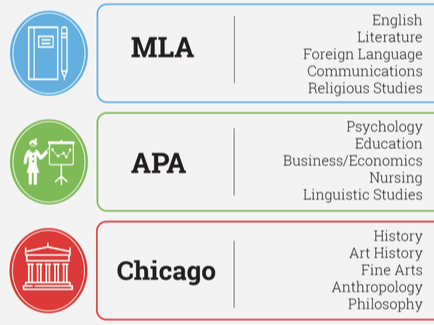
Explore the historical evolution of citation styles, from religious glosses to the Chicago Manual of Style, and discover how these specific academic formats transformed from simple attribution into complex requirements.

All tagged Technical Writing
Explore the historical evolution of citation styles, from religious glosses to the Chicago Manual of Style, and discover how these specific academic formats transformed from simple attribution into complex requirements.
Mastering the art of writing requires balancing audience intent, AI-driven searchability, and the delicate mix of timely relevance and timeless value to ensure your message resonates.
As the first step in the design-thinking process, empathy is a vital starting place for any effective piece of technical communication. And yet, it is (quite ironically) frequently misunderstood.
Learn how to write and format an effective memo with our guide on technical formatting for the workplace, including a discussion of headers, the inverted pyramid body structure, and essential writing tips.
Boost the impact of your professional writing! Learn how formatting and syntax are critical to capturing attention and reducing reader distractions. Follow style guides, master emphasis (use italics and bold, not underlines), and refine sentence structure for clarity and influence.
Harness the power of AI to transform your study habits. Learn how to use artificial intelligence ethically for brainstorming, outlining, summarizing, and editing to achieve academic success.
Elevate your professional and academic influence with effective writing. Learn the four pillars of writing — narrative, descriptive, expository, and persuasive — to communicate with clarity and purpose. Discover how strong writing, even in STEM fields, sets you apart by showcasing your competence and personality.
After you have done good technical work such as discovering something new, or developing a new technology, your goal in a technical paper is to share those findings with other people. This is not as easy as it sounds. In this article, I share three tips for refining your technical writing that you won’t find anywhere else, but that I am sure will make your writing more readable and trustworthy.