All in Design Philosophy

Engineering with an Impact

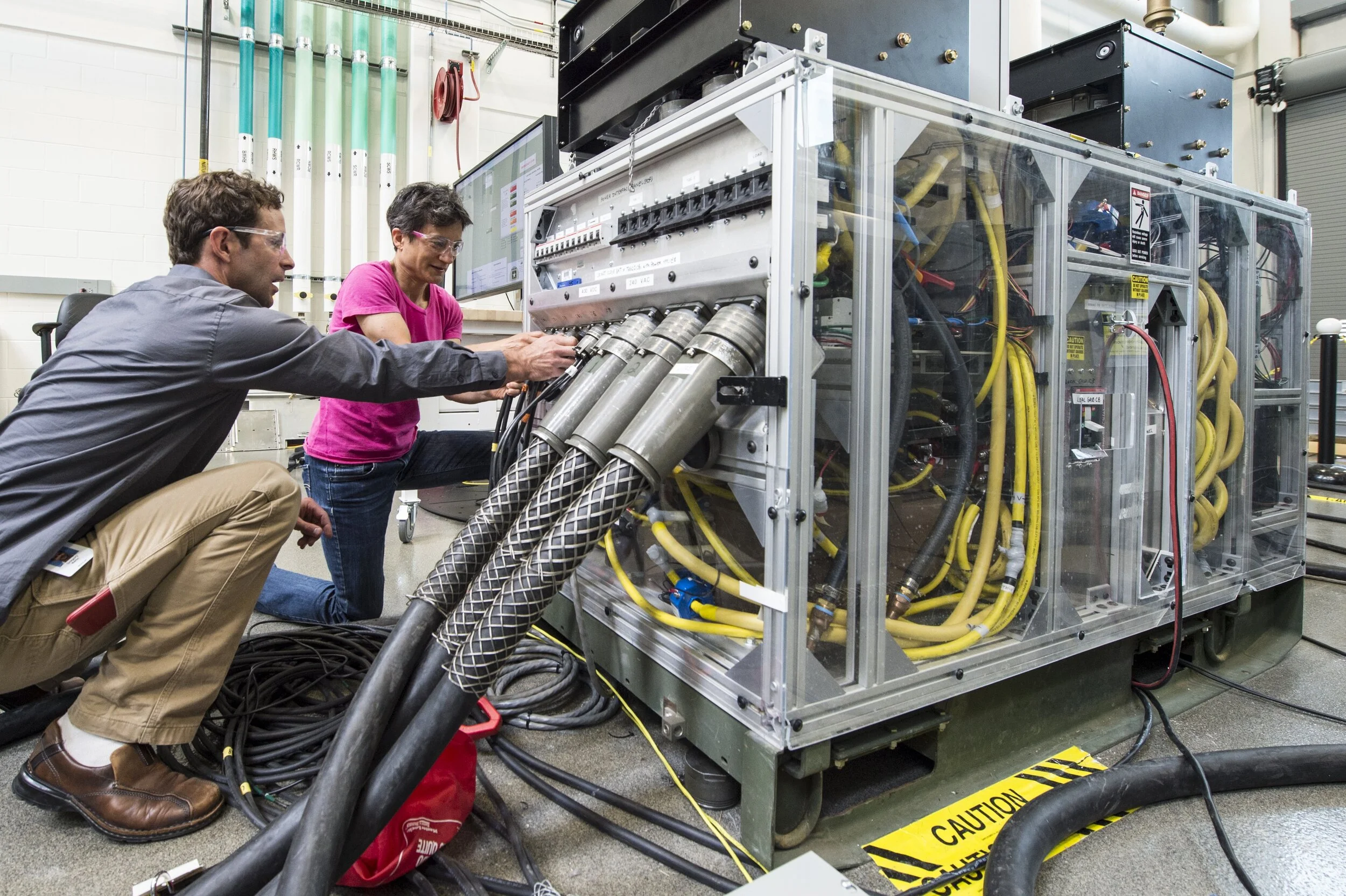
Making a lasting change is my biggest goal in life, and I hope to share in this article the things that I have learned about how to be an engineer with impact.  In voicing what has helped me to be more impactful in my undergraduate career up to this point, I hope you can gain more insight into what you can do from day to day to do the same.

Inversion: The Power of Thinking Backwards

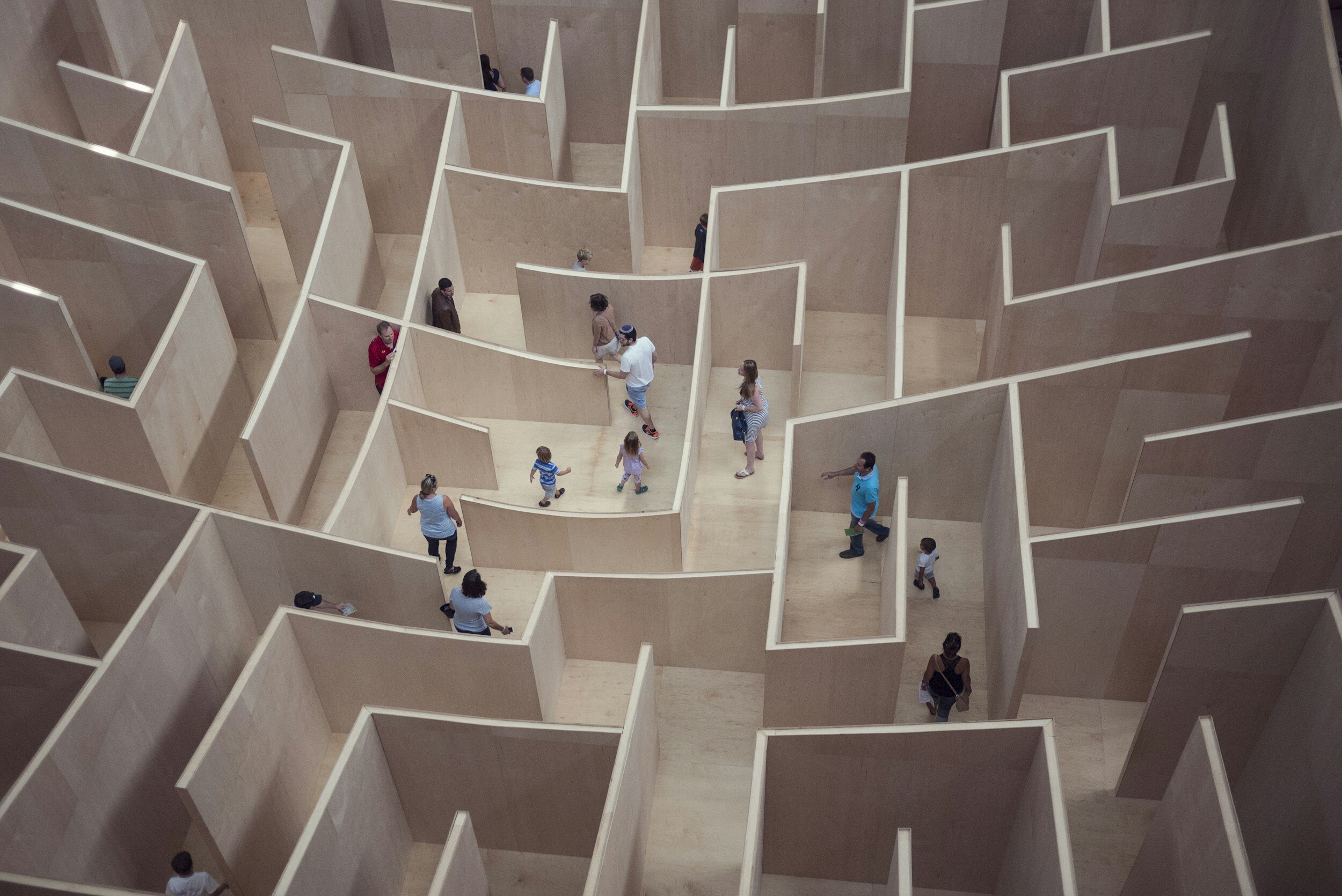
The idea of solving a maze backwards is an example of what I consider the most powerful thinking technique out there: inversion. Inversion means flipping the problem on its head; you look at the opposite of the problem you actually want to solve, and then you use the insights you gain to help answer the original question.

Innovate (Safely) and Thrive

In a spurt of spontaneity, I found myself at BYU’s Cougar Skate event a few weeks back. I’d never been rink skating before, but my previous experiences with inline and ice skating left me with enough confidence that I didn’t look up any tutorials before heading for the Wilkinson Student Center. Though, I think my tailbone would’ve thanked me if I had.

Origami Design: A Fuzzy Boundary Between Art and Science

Origami is an ancient Japanese art form which had its roots over a thousand years ago in ancient Japan. Only in the last century’s intellectual revolution has it transformed into a more scientific and fully developed art form. We can see origami under scrutiny as an art form, and as a scientific and mathematical method of design. In any design, it is important to see from both angles.

Everyone Can Teach You Something About Design: Lessons From the Amazon

As we sit on the shore of the Amazon River, watching the sun go down, we reflect on the time we have spent in Brazil and the things we learned. We learned about culture, the kindness of the people, the toll that 36 straight hours of travel takes on your body, and the dolphins that inhabit the river. One of the most important lessons we learned was that everyone can teach you something about design, and the importance of humility as a designer.

First Principles Design

I started thinking about the story behind the things around me later on in my middle school career. I can't remember what exactly initiated the thoughts, but I remember them eating at me. "Why is this thing like this? Why couldn’t they have done this other thing?" I began contracting the product designers' disease of perpetual criticism of the created environment around me early on.

A Good-Better-Best Framework for Design

The long term relationship between a design team and it’s client has everything to do with what the design team delivers and when. Setting clear expectations about the quality and completeness of the design work keeps both the design team and the client from changing the expectations without thoughtful discussions together. Simply articulating early in the development process, what good, better, and best solutions look like can make all the difference in what is delivered and in the long term relationship.

Storytelling in Design

Think of your favorite fictional characters. Who are they? Do they live in a world like ours or somewhere very different and far away? What do they look like? What do they like to do? Consider your relationship with these characters. Though they are not real, you are invested in their story.

The Yin and Yang of Conceptual Design

Conceptual design is the early part of the design process, which is often envisioned with post-it covered walls, smart interdisciplinary teams, and concept sketching. Conceptual design is full of energy and optimism. Until it is not. In this article I give a few tips – centered on the ancient philosophy of yin and yang – that help me keep conceptual design full of energy and optimizing the whole time.