The new school year is right around the corner. Succeeding in engineering coursework is no easy feat. Here’s some articles to make it a little easier for you.

All in Education & Schooling
The new school year is right around the corner. Succeeding in engineering coursework is no easy feat. Here’s some articles to make it a little easier for you.
Many of you are headed back to school and are about to be put in an environment that will challenge your knowledge, expose your weaknesses, and encourage you to build new strength. I hope this personal story about my relationship with math will encourage you to turn fear into growth.
I observed that the general degradation of classes once they shifted online was common to many students, for reasons such as the added complexity of interacting over video calls, reduction of interpersonal interactions (including non-verbal), and the dehumanization of the class community into floating profile images.
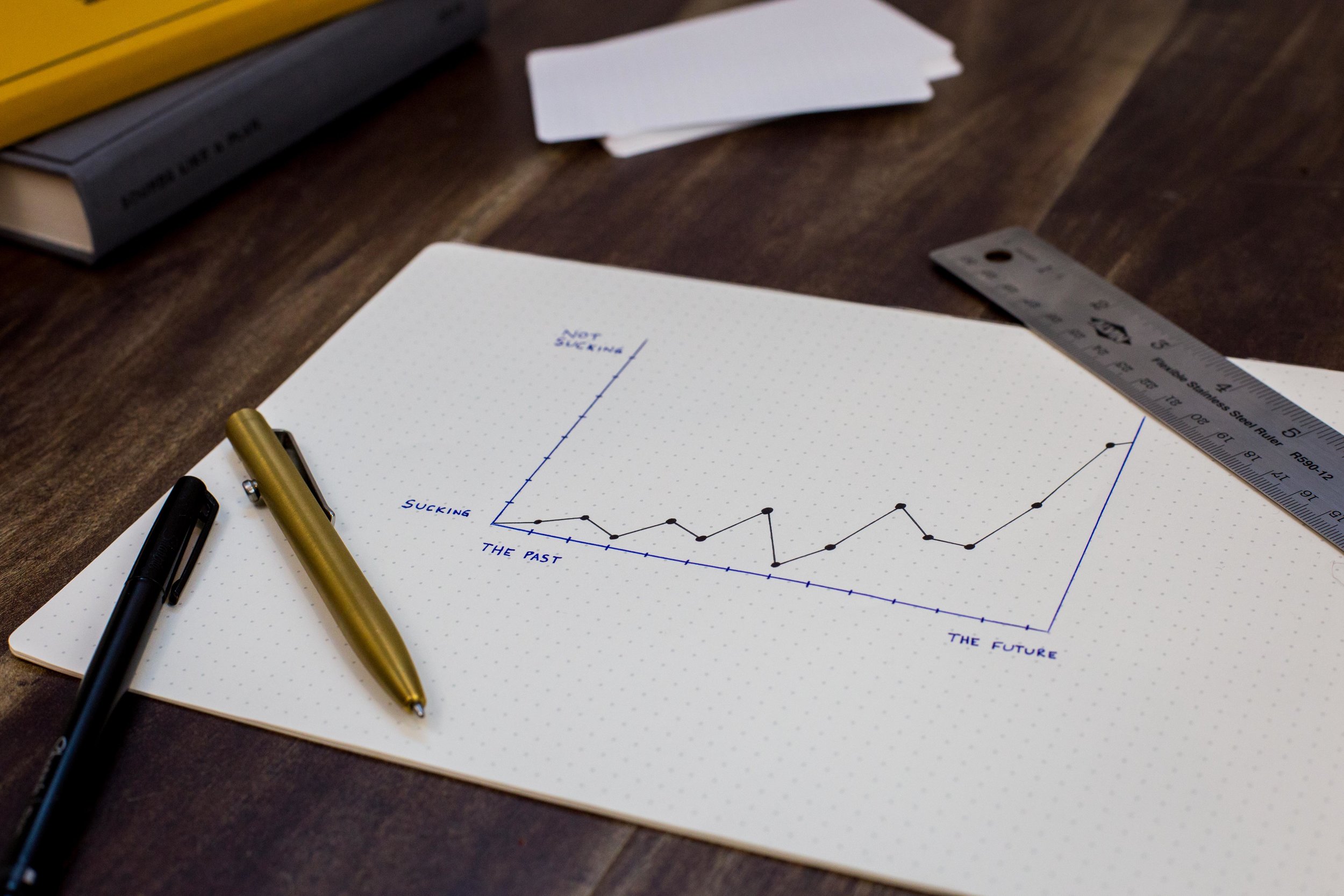
Never heard of the data-to-not-data ratio in figures? It’s a good thing to know and consider. This is one article in a series of techniques and practices for designing good figures and visualizations.
The ability to create, and to become better at creating, is implicit in the nature of the brain’s neural network. As one approaches the peak of efficient work and cerebral focus, creativity becomes a self-sustaining process: the flow of ideas morphs into a rapid current that carries the creator and maximizes both the pace of the work and the enjoyment that comes with it. We all seek to innovate in such a way, but how do we achieve this level of creation on a regular basis?
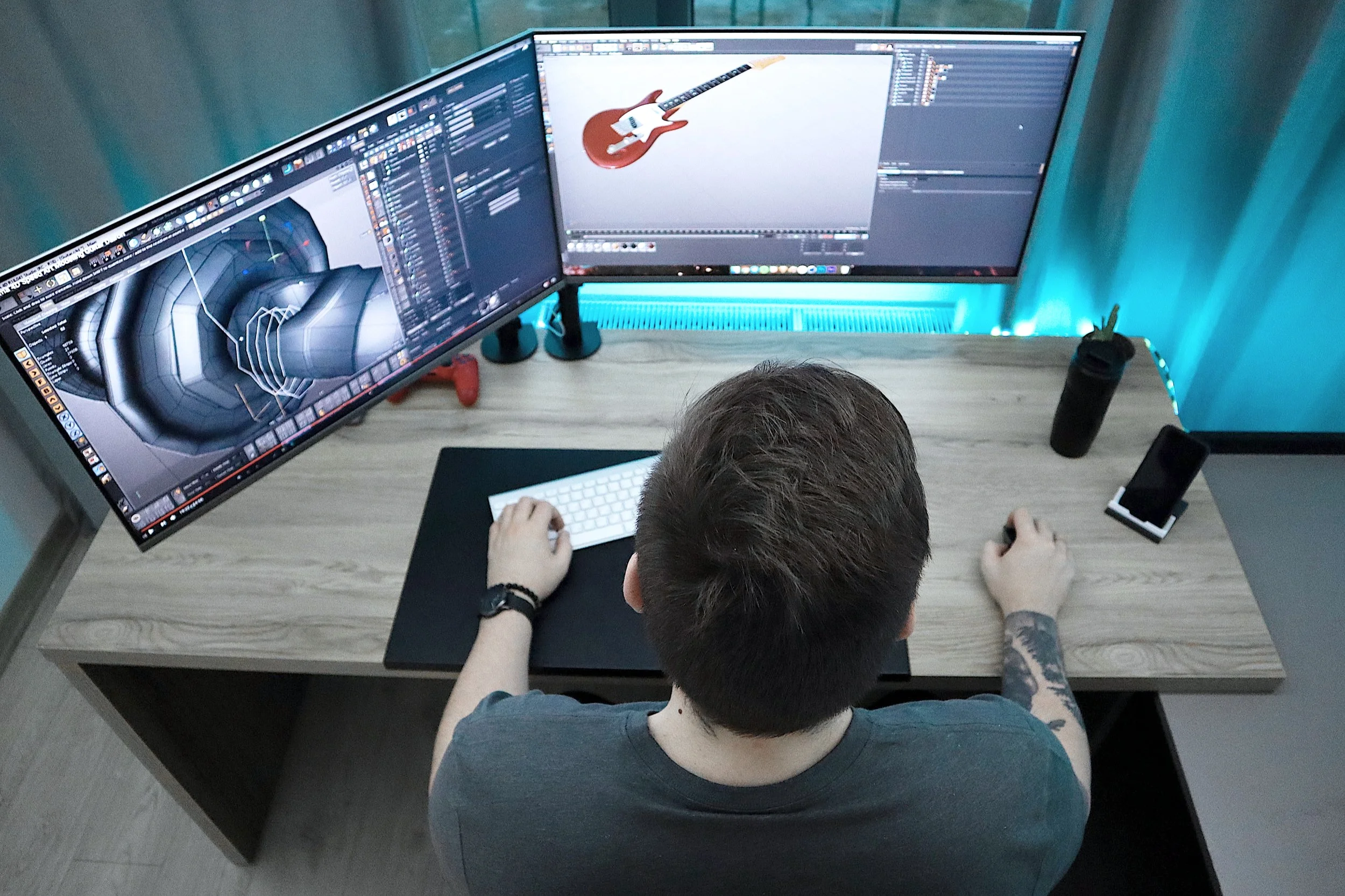
When I was an engineering student I took three CAD classes, mostly because they were fun. When I was the director of engineering at ATL, CAD was at the center of all our detailed design work. It was indispensable to our engineering. When I became a professor, however, my appreciation for CAD slowly and unconsciously faded. Luckily, a new university assignment has put CAD back on my radar and my appreciation for it is greater than ever.
As someone who loves design of all kinds, it can be easy to get carried away and lose track of where I, as a mechanical engineer, fit in the design world. For me it is important to understand what makes mechanical design different than any other kind of design. Understanding this puts me in a better position to know how my specific training and design decisions can affect the world.
Lenses are useful to focus and bend light. In design, metaphorical lenses can likewise focus our attention and bend our design towards various essential factors.
If your job involves product or part geometry, I believe you should own and use a pair of digital calipers. They are one of the most important measurement tools to access the details of the geometry you’re working with. Even if your job is purely theoretical, it can be helpful to simply use the calipers to visualize the size and scale of features you’re specifying or being asked to work with.
The right scale can make all the difference in the world when it comes to appropriate data figures. This is one article in a series of techniques and practices for designing good figures and visualizations.
Communication with data figures can be a large part of design. This is the beginning of a series of techniques and practices for designing good figures and visualizations.
Here’s what the good students seem to know, and that I wish everyone knew.
Sure, the world we live in has three dimensions that we work and live in on a regular basis. But as soon as you face that computer screen, the mind tends to snap straight to its default 2D mode.